Author: admin

  • Men’s Smart Casual: The Only Guide You Need

    Men’s Smart Casual: The Only Guide You Need

    If you have ever stared at an invitation that reads “smart casual” and felt a wave of confusion wash over you, you are not alone. Smart casual is arguably the most misunderstood dress code in menswear. It sits in the grey area between a full suit and weekend loungewear, and getting it wrong can make you feel either painfully overdressed or sloppily underprepared. However, once you understand the fundamental principles behind this versatile style, it becomes the most powerful tool in your wardrobe. This guide will break down exactly what smart casual means, the essential pieces you need, how to combine them, and the common mistakes you must avoid.

    The beauty of smart casual is its flexibility. Unlike formal business attire, which is rigid and rule-based, smart casual allows for personality, texture, and comfort. It is the uniform of the modern professional who works in a creative office, the guest at a dinner party, or the man on a date who wants to look like he tried without looking like he tried too hard. The goal is to look polished and put-together, but not stiff. You want to project confidence and approachability simultaneously. To achieve this, you need to master the art of contrast: pairing structured garments with relaxed ones, and dressy fabrics with casual textures.

    In this comprehensive article, we will walk you through the philosophy of smart casual, the specific items you should invest in, and how to build a rotation of outfits that will serve you in almost any social or professional setting. We will address everything from footwear and trousers to layering and color palettes. By the time you finish reading, you will possess the knowledge to navigate the smart casual dress code with ease and elegance. Let’s dive into the definitive guide to mastering men’s smart casual style.

    Understanding the Smart Casual Spectrum

    Before we get into the specifics of what to buy, it is crucial to understand that smart casual is not a single uniform; it is a spectrum. On one end, you have “business casual,” which leans more towards tailored trousers and crisp button-down shirts. On the other end, you have “true casual,” which involves jeans and t-shirts. Smart casual sits directly in the middle. The key to navigating this spectrum is context. A smart casual outfit for a tech startup office on a Friday will look different from a smart casual outfit worn to a wedding rehearsal dinner or an upscale cocktail bar. You must always consider the venue, the time of day, and the company you are keeping.

    Think of smart casual as a balancing act. If you are wearing a pair of dark, well-fitted denim jeans (a casual staple), you should pair them with a more refined top, such as a tailored blazer or a merino wool sweater. Conversely, if you are wearing tailored chinos (a dressy item), you can afford to wear a more relaxed top, like a high-quality polo or an Oxford cloth button-down with the sleeves rolled up. The goal is to ensure that at least half of your outfit leans “smart,” while the other half leans “casual.” This creates a harmonious tension that defines the aesthetic.

    Furthermore, fabric choice plays a monumental role in determining where an outfit falls on the smart casual spectrum. Cotton, linen, and denim are inherently casual fabrics. Wool, cashmere, and silk are inherently formal. To achieve the smart casual sweet spot, you should mix these materials. A soft, unstructured cotton blazer is a perfect smart casual garment because it has the shape of a formal jacket but the breathability and texture of a casual shirt. Similarly, a pair of wool trousers with a t-shirt and minimalist sneakers can look incredibly chic without feeling stuffy. Understanding this interplay of fabrics allows you to manipulate the formality of your outfit with precision.

    Building the Foundation: The Essential Wardrobe

    To build a successful smart casual wardrobe, you need a solid foundation of versatile pieces. You do not need a massive closet full of clothes; you need the right clothes that can be mixed and matched. Here are the non-negotiables that should form the backbone of your smart casual rotation.

    The Tailored Blazer (Unstructured or Soft Shouldered)

    A blazer is the single most transformative garment in the smart casual world. It instantly elevates jeans, chinos, and even tailored shorts. However, for smart casual purposes, you should avoid heavily structured, pinstriped suit jackets. Instead, look for a soft-shouldered blazer or an unstructured jacket in a textured fabric like hopsack wool, cotton, or a wool-linen blend. Navy is the ultimate starting point because it matches almost everything. A navy blazer over a t-shirt, paired with grey trousers and white sneakers, is the quintessential modern smart casual look. If you already have navy, consider adding a neutral earth tone like beige, olive, or charcoal to your collection.

    The Versatile Knitwear

    Knitwear is the lifeblood of smart casual style, especially in autumn and winter. A fine-gauge merino wool sweater or a cashmere crewneck offers a level of refinement that a hoodie simply cannot match, while remaining extremely comfortable. The crewneck is the most versatile option, as it can be worn on its own, over a t-shirt, or under a blazer. For a slightly more polished look, consider a V-neck sweater layered over a button-down shirt. Cardigans and turtlenecks also have a place in the smart casual aesthetic, adding depth and sophistication to your layering game.

    The Perfect Trousers: Chinos and Beyond

    Chinos are the gold standard for smart casual trousers. They are smarter than jeans but more relaxed than dress slacks. When choosing chinos, pay close attention to the fit. They should be slim or straight cut, with a slight taper. Avoid anything too baggy or too skinny. The most versatile colors are khaki, navy, and grey. These three colors will pair with almost any shirt or jacket you own. In addition to chinos, consider investing in a pair of tailored wool trousers. A pair of grey flannel or charcoal wool trousers can be dressed down with a t-shirt and sneakers or dressed up with a blazer and dress shoes, making them incredibly versatile.

    The Quality Denim

    While denim is inherently casual, it has a firm place in the smart casual rotation. The key is choosing the right pair. You should avoid distressed, ripped, or heavily faded jeans. Instead, invest in raw or dark-wash selvedge denim in a slim or straight fit. Dark indigo jeans look almost as sharp as trousers from a distance, but they carry a relaxed attitude. You can pair dark denim with a blazer, a crisp white shirt, and leather loafers for a classic “dressed up” casual outfit. Never wear light wash or acid wash jeans to a smart casual event; save those for strictly casual weekends.

    The Essential Shirts

    Your shirt selection is where you can inject personality. The Oxford cloth button-down (OCBD) is the cornerstone of the smart casual shirt collection. Its textured fabric is less shiny than a poplin dress shirt, making it perfect for wearing without a tie. White and light blue are essential, but pink, lavender, and stripes also work beautifully. Beyond the OCBD, you should own a few high-quality plain t-shirts. A well-fitting crewneck t-shirt in white, grey, or navy acts as a perfect base layer under a blazer. The key here is quality: look for thick, substantial cotton that holds its shape and doesn’t look like an undershirt.

    Footwear: The Foundation of Your Outfit

    Many style experts say that shoes make the man, and this is especially true in smart casual dressing. Shoes can anchor an outfit and dictate its overall vibe. You need a small rotation of shoes that bridge the gap between formal and casual.

    Leather Loafers and Derbies

    Leather shoes are essential for the “smart” side of smart casual. However, you want to avoid high-shine Oxford shoes, which are strictly formal. Instead, opt for penny loafers, tassel loafers, or Derby shoes. Suede is an excellent material for these shoes, as it has a soft, textured appearance that pairs perfectly with denim and chinos. A brown suede loafer is arguably the most versatile shoe in a smart casual wardrobe. It looks great with everything from tailored trousers to rolled-up chinos.

    Minimalist Sneakers

    Leather sneakers have become a staple of modern menswear. To keep them smart casual, they must be clean, minimalist, and high-quality. Think classic white leather sneakers, like Common Projects, Axel Arigato, or similar simple silhouettes from brands like Veja or Adidas (Stan Smiths). These shoes provide comfort and a contemporary edge. They work best when paired with dark denim or chinos and a blazer. Steering clear of chunky athletic running shoes is crucial; those are for the gym or pure streetwear.

    Leather Boots

    For the colder months, a good pair of leather boots is indispensable. Chelsea boots or Chukka boots in brown or black leather or suede bridge the gap perfectly between rugged and refined. They look fantastic with dark denim, wool trousers, and thick knitwear. They provide a more substantial silhouette than loafers or sneakers and add a touch of masculine edge to your outfit.

    Mastering Color and Coordination

    Color coordination in smart casual dressing often follows a principle of earthy neutrals and muted tones. While you can certainly inject pops of color, the foundation of your outfit should be based on colors that work together seamlessly. This makes getting dressed easier and ensures you always look cohesive.

    The Earthy Palette

    Your smart casual base should consist of navy, grey, white, beige, olive, and burgundy. These colors complement each other beautifully. For example, a navy blazer, a grey t-shirt, and beige chinos is a foolproof combination. Olive trousers pair perfectly with a white shirt and a brown suede jacket. Burgundy knitwear adds a rich layer of texture to dark denim. By sticking to these muted, earthy tones, you create a wardrobe where almost every item can be worn with every other item.

    Using Texture for Depth

    Because smart casual outfits often rely on a limited color palette, texture becomes incredibly important to prevent the outfit from looking flat. Mixing fabrics like wool, cotton, suede, and leather adds visual interest. Imagine an outfit consisting entirely of smooth cotton: a blue cotton shirt, blue cotton chinos, and blue canvas shoes. It looks boring. Now imagine the same colors but with a chunky knit wool sweater, brushed cotton chinos, and a suede loafer. The difference is night and day. Incorporating texture through your knitwear, trousers, and footwear is a hallmark of a truly stylish man.

    Common Smart Casual Mistakes to Avoid

    Even with the right pieces, it is easy to fall into traps that ruin an otherwise good outfit. By being aware of these common pitfalls, you can ensure you always hit the mark.

    Wearing Ill-Fitting Clothes

    The single most important rule in any dress code is fit. A $50 shirt that fits perfectly will always look better than a $500 shirt that is too baggy or too tight. Smart casual is about looking sharp, and sharpness comes from tailoring. Ensure your trousers break cleanly at the shoe, your shoulder seams hit exactly at the edge of your shoulder, and your sleeves are the right length. Do not be afraid to visit a tailor to have your chinos or blazers adjusted. It is the best investment you can make in your appearance.

    Athleisure Creep

    Smart casual is not “sporty.” While sneakers are allowed, they must be leather and minimalist, not running shoes. Joggers, hoodies, basketball shorts, and performance fabrics do not belong in a smart casual outfit. Even in a relaxed office, wearing athleisure where smart casual is expected signals a lack of respect or effort. Keep your gym clothes in your gym bag. The exception is a high-quality, simple zip-up jacket or a well-cut pair of chino-style joggers (often called “travel trousers” or “commuter pants”), but these are risky and should be approached with caution.

    Going Too Formal

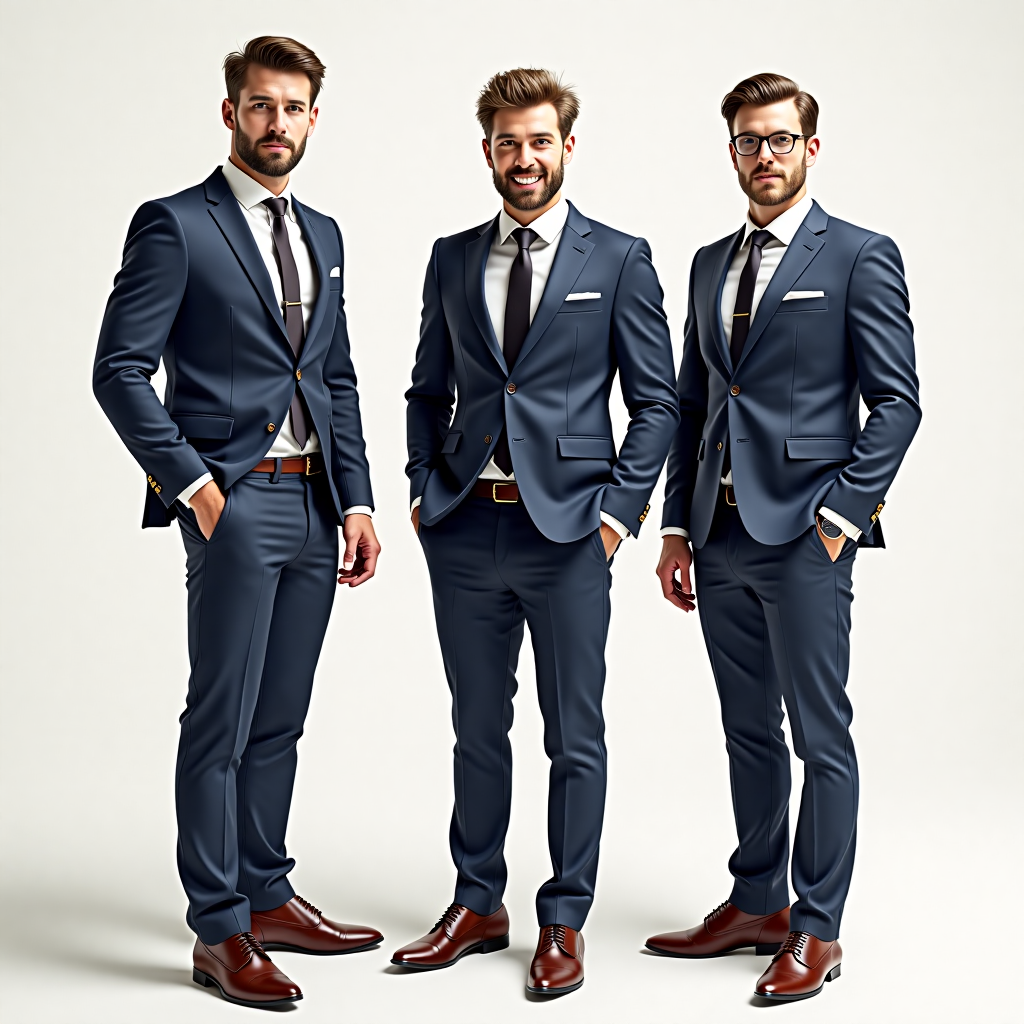
    Just as it is bad to be too casual, it is awkward to be too formal. Wearing a full suit and tie to an event that calls for smart casual will make you look like you are at a board meeting, not a social gathering. Generally, smart casual means no tie. It also often means avoiding stiff, shiny dress shirts and high-polish business shoes. If you choose to wear a blazer and trousers, make sure they are not a matching suit. The contrast between jacket and trousers is essential to the smart casual aesthetic.

    Ignoring Grooming and Details

    Your outfit extends beyond your clothes. Smart casual style is ruined by unkempt hair, scruffy facial hair, or dirty fingernails. You should look clean and polished. Additionally, accessories can elevate your look. A quality leather belt that matches your shoes, a minimalist watch, and perhaps a simple bracelet or ring can add a layer of sophistication. Pay attention to the details: ensure your shirt is ironed (or steamed), your shoes are clean, and your belt is in good condition. These small touches separate the men who “get it” from those who do not.

    Putting It All Together: Outfit Formulas

    To make life easier, here are a few reliable outfit formulas you can replicate. These combinations will work in almost any smart casual environment.

    The Classic Weekend

    • Top: Navy unstructured blazer over a plain white crewneck t-shirt.
    • Bottom: Dark wash slim-fit denim jeans.
    • Feet: White minimalist leather sneakers.
    • Accessories: Brown leather belt, silver watch.

    The Creative Office

    • Top: Light blue Oxford cloth button-down shirt (sleeves rolled up) under a grey merino wool V-neck sweater.
    • Bottom: Beige or stone slim-fit chinos.
    • Feet: Brown suede penny loafers (worn with no-show socks).
    • Accessories: Minimalist leather backpack or briefcase.

    The Evening Dinner Date

    • Top: Charcoal or black fine-gauge turtleneck sweater.
    • Bottom: Grey tailored wool trousers.
    • Feet: Black or dark brown leather Chelsea boots.
    • Accessories: A sleek dress watch and a tailored overcoat if the weather requires it.

    The Summer Social

    • Top: Linen-blend shirt in a light color (white, light blue, or sage green), untucked.
    • Bottom: Tailored shorts (chino material, ending just above the knee) or lightweight linen trousers.
    • Feet: Suede driving loafers or clean canvas plimsolls (worn with no-show socks).
    • Accessories: Sunglasses with a classic frame.

    Conclusion

    Mastering men’s smart casual style is not about strictly adhering to a complex set of rules; it is about understanding the principles of balance, fit, and fabric. It is the art of looking effortlessly composed. By investing in a curated collection of high-quality basics—a soft-shouldered blazer, quality knitwear, well-fitting chinos, and dark denim—you create a foundation that allows for endless combinations. The key is to remember the golden rule of contrast: pair tailored pieces with relaxed ones, and formal fabrics with casual textures.

    Ultimately, smart casual is about confidence. When you know your clothes fit well and the colors complement each other, you can relax and focus on the occasion, whether it is a crucial business lunch or a first date. Avoid the pitfalls of ill-fitting garments, resist the temptation to default to athleisure, and pay attention to your grooming and shoes. If you follow the guidance laid out in this article, you will no longer dread the words “smart casual” on an invitation. Instead, you will see it as an opportunity to showcase your personal style and sophistication.

    So, start reviewing your wardrobe today. Identify the gaps, invest in the staples, and practice pairing your pieces. With a little thought and these guidelines in mind, you will not just be dressing smart casual—you will be perfecting it.

  • Resale Sites Ranked: Where to Buy and Sell in 2025

    Resale Sites Ranked: Where to Buy and Sell in 2025

    The resale economy has exploded over the last decade, transforming from a niche corner of the internet into a mainstream shopping habit. Whether you are decluttering your closet, hunting for a vintage camera, upgrading your smartphone, or furnishing a new apartment, there has never been a better time to buy secondhand. The challenge is no longer finding a place to transact—it is choosing the right platform for your specific needs. With dozens of marketplaces now competing for your attention, each has its own fee structure, audience, buyer protections, and product specialities. Ranking the top resale sites requires looking beyond brand recognition and digging into the details that actually affect your experience as a buyer or seller. In this guide, we have ranked the most effective platforms across multiple categories and provided practical advice to help you get the best value whether you are selling your old items or shopping for a deal.

    What Makes a Great Resale Site?

    Before diving into the rankings, it helps to understand the criteria that separate a genuinely useful marketplace from a frustrating one. A strong resale site should offer a balance between reach and relevance. Reach means enough active users to give your listing visibility, while relevance means those users are actually looking for what you are selling. Fee transparency also matters enormously. Sellers need to know exactly what percentage of the final sale they will keep, and buyers need to understand shipping costs and any buyer protection fees before committing. Finally, trust and safety features such as verified user reviews, secure payment processing, and dispute resolution are essential. The best sites invest heavily in these systems, reducing the risk of scams and making transactions feel less like a gamble. With those criteria in mind, the following rankings are organized by category so you can quickly identify the best platform for your specific item type.

    Top Resale Sites Ranked for General Merchandise

    1. eBay

    eBay remains the undisputed heavyweight when it comes to selling almost anything. With more than 130 million active buyers globally, no other platform offers the same combination of breadth and depth. eBay is particularly strong for collectibles, electronics, auto parts, and unique vintage items. Sellers benefit from auction-style listings, fixed-price listings, and the ability to accept best offers. The fee structure generally takes around 13.25 percent of the final sale value in most categories, plus a small per-order fee. While that is not the cheapest option, the massive audience often justifies the cost. Buyers appreciate eBay’s money-back guarantee, which provides strong protection if an item arrives damaged or not as described. For sellers, the learning curve can be slightly steeper than newer apps, but the volume of serious buyers makes it the best overall general marketplace in 2025.

    2. Facebook Marketplace

    Facebook Marketplace has quietly become one of the most popular places to buy and sell used goods, especially for local transactions. The platform charges no listing fees for most local sales, which makes it extremely attractive for sellers of furniture, home goods, and larger items that are difficult to ship. Because it is tied to Facebook profiles, you can often view a buyer’s or seller’s profile before meeting, adding a layer of social accountability. The main drawback is the lack of a robust integrated payment system for local pickup; many transactions happen in cash, which requires careful safety planning. Facebook Marketplace also supports shipping for certain categories, but the experience is less polished than eBay or Mercari. For fast, fee-free local sales, however, it is one of the top resale sites ranked by everyday users.

    3. Mercari

    Mercari has grown rapidly by offering a simple, mobile-first listing process and a transparent fee structure. Sellers pay a flat 10 percent selling fee, and buyers pay a small payment processing fee at checkout. The platform is particularly popular for mid-range fashion, beauty products, toys, and home décor. One standout feature is Mercari’s prepaid shipping labels, which make it easy for casual sellers to ship without visiting the post office multiple times. Buyers have three days after delivery to inspect an item and request a return, which protects against misrepresented listings while also giving sellers a clear deadline. While Mercari’s audience is smaller than eBay’s, its ease of use and lower seller fees make it an excellent choice for people who want to sell quickly without a complicated setup.

    4. OfferUp

    OfferUp focuses primarily on local buying and selling, similar to Facebook Marketplace, but with a more streamlined app experience. It is especially useful for electronics, furniture, and everyday household items. The platform offers a built-in chat feature, user ratings, and optional shipping for smaller items. OfferUp’s “Truck” program allows sellers to list large items and have OfferUp coordinate delivery in select cities, which is a useful feature for furniture sellers. The main downside is that many local buyers expect significant negotiation, and the shipping audience is smaller than eBay or Mercari. Still, for sellers who prefer a dedicated app over Facebook’s cluttered interface, OfferUp is a strong contender among general resale sites.

    Best Resale Sites for Fashion and Luxury

    Poshmark

    Poshmark is the leading social marketplace for secondhand fashion, shoes, and accessories. The platform’s community-driven approach encourages sellers to share listings, follow other users, and participate in virtual “Posh Parties.” Sellers pay a flat fee of 20 percent on sales over $15, or a flat $2.95 on sales under $15. While that fee is higher than many competitors, Poshmark provides a prepaid shipping label for up to five pounds and handles all payment processing. The buyer protection policy is strong, and items are authenticated for certain luxury goods sold through Posh Authenticate. Poshmark is best for branded clothing, handbags, and shoes. Casual sellers who are willing to engage with the community often see faster sales than on more passive platforms.

    Depop

    Depop is the top resale site for Gen Z shoppers and sellers looking for vintage, streetwear, Y2K, and alternative fashion. The app functions like a social media feed, with a visual-first layout that rewards strong photography and curated shop aesthetics. Depop charges a 10 percent selling fee plus a payment processing fee. The platform is particularly effective for unique pieces, handmade items, and trendy thrift flips. Because the audience skews younger and style-conscious, items with a clear aesthetic tend to perform well. Buyers should be aware that seller quality can vary, and shipping times may be longer with casual sellers. For those selling on-trend vintage fashion, Depop is difficult to beat.

    Vestiaire Collective

    Vestiaire Collective specializes in pre-owned luxury fashion. The platform authenticates items before they are shipped to buyers, which significantly reduces the risk of counterfeit goods. Sellers can list designer handbags, shoes, clothing, and accessories, and the platform handles the authentication process for a commission that typically ranges from 12 to 20 percent depending on the item’s value. Vestiaire is ideal for high-end brands like Chanel, Louis Vuitton, Gucci, and Hermès. Buyers pay a premium for the added security, but the peace of mind is worth it for expensive purchases. Sellers benefit from accessing a global audience of serious luxury buyers who are less likely to haggle aggressively than on general marketplaces.

    The RealReal

    The RealReal offers a consignment model rather than a traditional peer-to-peer marketplace. Sellers send their luxury items to The RealReal, which authenticates, photographs, prices, and sells them. Sellers receive a percentage of the final sale price, which varies based on the item value and seller tier. The main advantage is convenience: you do not have to manage listings or deal with buyers. The downside is lower payout percentages and less control over pricing. For high-volume sellers or those with large luxury closets to offload, The RealReal can be an efficient option, though many sellers prefer Poshmark or Vestiaire for higher net returns on individual items.

    Best Resale Sites for Electronics and Tech

    Swappa

    Swappa is widely considered the best marketplace for used smartphones, laptops, tablets, and gaming devices. Unlike eBay or Facebook Marketplace, Swappa requires that all listed devices be fully functional and ready for activation, which eliminates the common problem of buying broken or blacklisted phones. Swappa charges sellers a flat fee based on the sale price, and buyers pay a small fee at checkout. The platform also verifies device IMEI or serial numbers to ensure they are not stolen or still under payment plans. This level of scrutiny makes Swappa a safer place to buy used tech. While the audience is smaller than eBay, the targeted nature of the platform often results in faster, safer sales for electronics.

    Back Market

    Back Market focuses on refurbished electronics sold by professional refurbishers rather than individual sellers. This is a top destination for buyers who want a reliable used phone or laptop with a warranty. Every device sold on Back Market is tested, graded, and backed by a minimum one-year warranty. Prices are often lower than buying new but higher than peer-to-peer marketplaces because of the added quality assurance. Sellers must be approved refurbishers, so this is not a platform for casual sellers. However, for buyers, Back Market offers the closest experience to buying new while still saving money and reducing electronic waste.

    Decluttr

    Decluttr is an instant-buy platform for electronics, media, and tech accessories. Instead of listing an item and waiting for a buyer, sellers enter the item details and receive an immediate offer. If accepted, Decluttr provides a free shipping label and pays after the item is received and checked. The trade-off is that you will usually get less money than you would selling directly to another consumer. However, the speed and convenience are unmatched. Decluttr is especially popular for selling old smartphones, game consoles, tablets, and textbooks. If your priority is a fast, hassle-free sale rather than maximum profit, Decluttr deserves a spot on your list.

    Best Resale Sites for Furniture and Home Goods

    Chairish

    Chairish is a curated marketplace for high-quality vintage and designer furniture, art, and home décor. The platform is ideal for sellers with unique pieces that would be undervalued on a general marketplace. Chairish charges a commission that varies based on the item price and seller plan, but the audience is specifically looking for stylish, well-made home goods. Buyers appreciate the curated inventory and the ability to search by style, era, and designer. While shipping large furniture can be complex, Chairish offers support for freight and white-glove delivery on many items, making it easier to sell to buyers across the country.

    AptDeco

    AptDeco is a managed marketplace for used furniture that operates in select U.S. cities. Sellers list their furniture, and AptDeco coordinates pickup and delivery through its logistics network, removing one of the biggest headaches of selling large items. The platform takes a commission based on the sale price, and buyers can schedule delivery directly. This is an excellent option for sellers in New York, San Francisco, Los Angeles, and other service areas who want to sell quality used furniture without dealing with strangers at their door. The service is less useful outside major metro areas, but where available it is among the top resale sites ranked for home goods.

    Kaiyo

    Kaiyo is another managed furniture resale platform that focuses on sustainability and quality. Sellers can submit photos of their furniture online, and Kaiyo will provide an estimate before arranging pickup. The platform cleans, photographs, and lists the items for sale. Sellers receive a percentage of the sale price once the item sells. Kaiyo is particularly strong for mid-range and designer furniture from brands like West Elm, Crate & Barrel, and Room & Board. The convenience factor is high, but sellers should be aware that payouts may be lower than selling directly. For buyers, Kaiyo offers a curated selection of gently used furniture with transparent condition reports.

    Best Resale Sites for Books, Media, and Collectibles

    AbeBooks

    AbeBooks is a specialist marketplace for used, rare, and out-of-print books. It is owned by Amazon but operates as a separate platform connecting independent booksellers with collectors and readers around the world. Sellers can list individual titles or large inventories, and buyers benefit from detailed condition descriptions and seller reviews. This is the top site for finding first editions, signed copies, academic texts, and rare volumes. Fees vary by seller subscription, but serious booksellers consider AbeBooks essential. Casual sellers looking to offload a few paperbacks may prefer eBay or a local used bookstore, but for rare and collectible books, AbeBooks is unmatched.

    Whatnot

    Whatnot is a live shopping platform that has become a major player in collectibles, comics, trading cards, and vintage toys. Sellers host live auctions where buyers can bid in real time, creating an engaging and fast-paced shopping experience. The platform has strong categories for Pokémon cards, Funko Pops, sports cards, vintage clothing, and comic books. Whatnot charges a commission on sales, and the live format often leads to impulse purchases and higher final prices for in-demand items. For sellers who are comfortable on camera, Whatnot can be a highly profitable channel. Buyers enjoy the excitement and the ability to ask questions about items before bidding.

    StockX

    StockX is a stock-market-style resale site primarily known for sneakers, streetwear, luxury accessories, and electronics. Sellers list items at an asking price, and buyers place bids. When a bid and ask meet, the transaction is completed automatically. StockX authenticates every item before it ships to the buyer, which virtually eliminates counterfeit concerns. The platform charges a transaction fee that decreases for higher-volume sellers. This model works exceptionally well for limited-release sneakers, hyped streetwear, and other items with established market values. It is less suited for unique vintage goods or items without a clear market price.

    How to Choose the Right Resale Platform

    The best resale site for you depends on three main factors: what you are selling, how much time you want to invest, and how much profit you need to make. If you are selling a high-end designer handbag, a specialist platform like Vestiaire Collective or The RealReal will connect you with buyers who understand the value and are willing to pay for authentication. If you are selling a used couch, a local platform like Facebook Marketplace or a managed service like AptDeco will save you from shipping nightmares. For electronics, Swappa is the safest peer-to-peer option, while Decluttr is the fastest.

    Time is another critical consideration. Listing on eBay or Poshmark requires taking quality photos, writing detailed descriptions, responding to questions, and shipping promptly. If you enjoy the process and want maximum value, these platforms are excellent. If you need to clear space quickly, an instant-buy or consignment service is better, even if you earn less. Finally, consider the cost of fees. A platform with a lower fee may be less useful if it does not attract enough buyers. Sometimes paying a 20 percent commission on a platform with a large, engaged audience results in more net profit than a 10 percent fee on a site where your item sits unsold for months.

    Tips for Buying and Selling Safely

    No matter which platform you choose, safety should always be your top priority. For local sales, always meet in a public place during daylight hours, preferably a designated safe exchange zone at a police station. Never share your home address with a stranger unless the item is too large to move, and even then, try to have someone else with you. For shipped sales, use the platform’s integrated payment system. Never accept payment outside the app via Venmo, Zelle, or wire transfer, as this bypasses buyer and seller protections and is a common scam tactic.

    As a seller, take clear photos from multiple angles and document any flaws honestly. Buyers are far more likely to leave positive feedback and less likely to open a dispute when the item matches the description. Package items securely, especially electronics and fragile goods, and ship within the platform’s specified timeframe. As a buyer, read the full description carefully and ask questions before purchasing. Check seller ratings and reviews, and be wary of deals that seem too good to be true. On platforms with authentication, always choose the authentication option for high-value items, even if it adds a few days to the delivery time.

    The Future of Resale Sites

    The resale market is projected to continue growing rapidly as consumers become more sustainability-conscious and budget-aware. We are already seeing increased integration of artificial intelligence for pricing recommendations, automated listing creation, and better fraud detection. More platforms are adding authentication services for luxury goods and collectibles, which will further increase consumer trust. Social commerce features like live selling and video listings are expanding beyond Whatnot and Depop into mainstream platforms. For sellers, this means more opportunities but also more competition. For buyers, the future promises a wider selection, better protections, and more transparent pricing. Staying informed about the strengths and weaknesses of each platform will help you make smarter decisions and get the most value from the secondhand economy.

    Final Thoughts on Resale Sites Ranked

    Ranking resale sites is not a one-size-fits-all exercise. The best platform for a vintage band t-shirt is not the best platform for a used iPhone, and the best site for a designer sofa may be useless for selling a stack of comic books. The key is to match the platform to the item, your timeline, and your profit goals. For general merchandise and collectibles, eBay remains the most powerful overall marketplace. For local, fee-free furniture sales, Facebook Marketplace leads the pack. Fashion sellers should look to Poshmark, Depop, and Vestiaire Collective depending on the style and value of their items. Electronics are safest on Swappa and most convenient on Decluttr. By using the right platform for each type of item, you can sell faster, earn more, and buy with confidence. The secondhand market is bigger and better than ever—take advantage of it by choosing wisely.

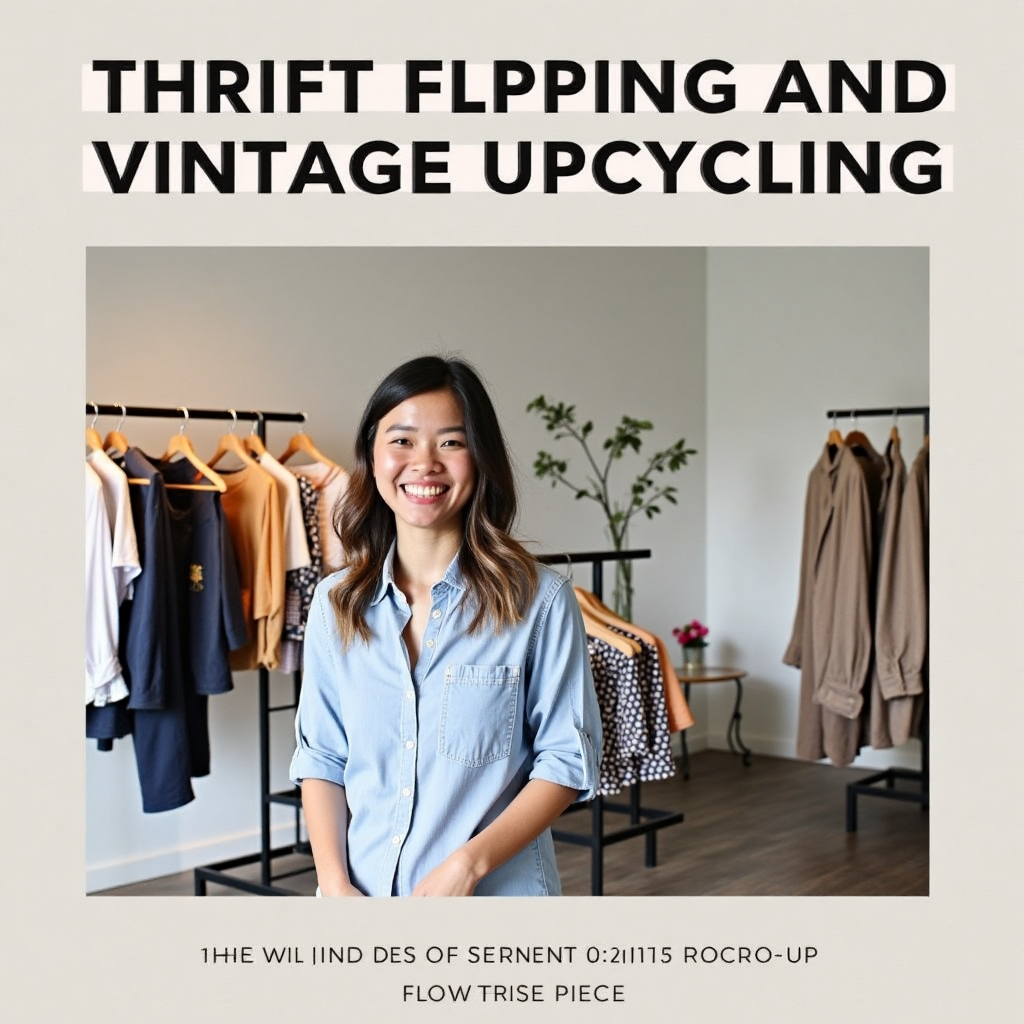
  • Thrift Flipping and Vintage Upcycling: How a Wardrobe Audit Reveals True Investment Pieces

    Thrift Flipping and Vintage Upcycling: How a Wardrobe Audit Reveals True Investment Pieces

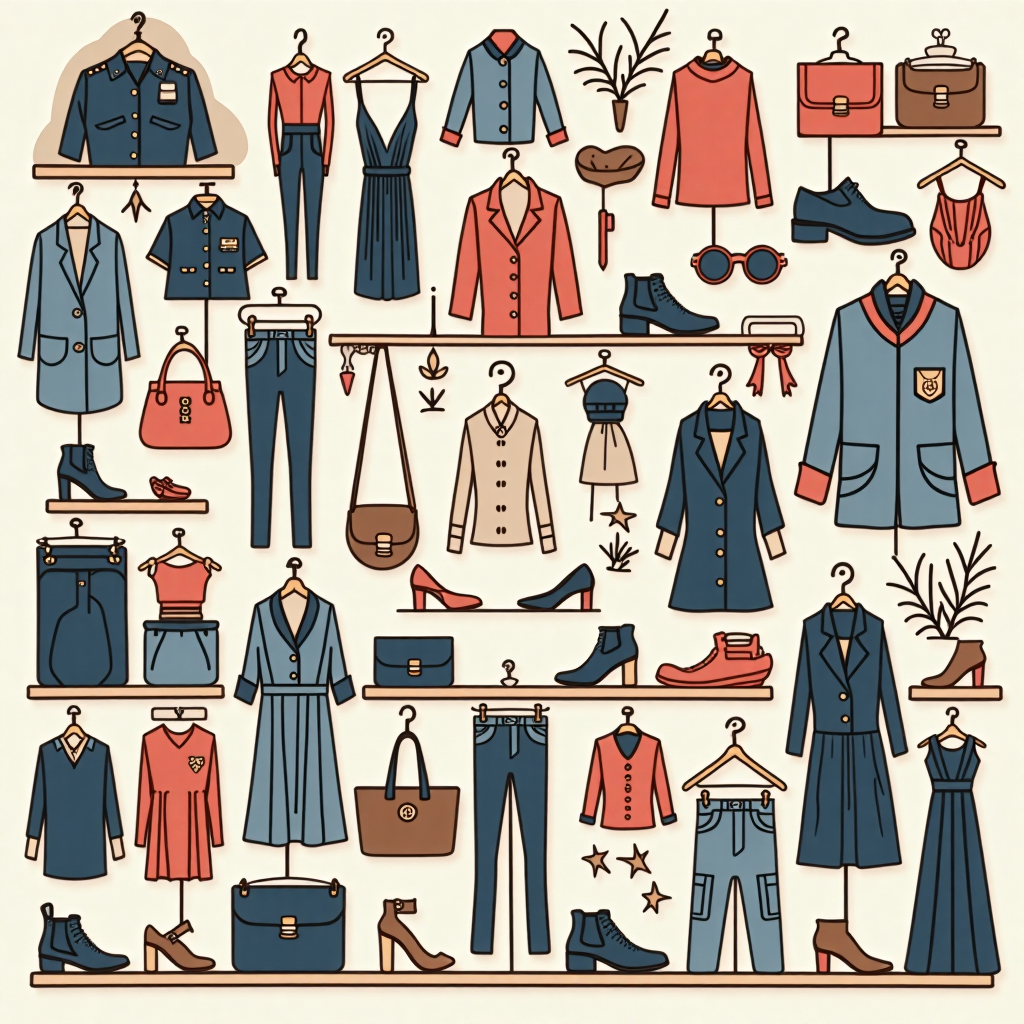
    For years, fashion has been caught between two competing desires: the hunger for something fresh and unique, and the need to spend wisely. Thrift flipping has emerged as the perfect bridge between these worlds. It allows you to source vintage and secondhand garments, reimagine them through upcycling, and create a wardrobe that feels deeply personal. But before you race to the nearest charity shop, there is an essential first step that most people skip: the wardrobe audit. When done properly, a wardrobe audit shows you exactly what you own, what you actually wear, and what gaps are worth filling with true investment pieces. This article will guide you through the entire process, from auditing your closet to flipping vintage finds into high-value staples.

    Why Thrift Flipping Is More Than a Trend

    Thrift flipping is not simply about buying cheap clothes and reselling them for a profit. It is a creative philosophy and a sustainable practice. The modern fashion industry generates enormous waste, with millions of garments ending up in landfills every year. By choosing to thrift and upcycle, you participate in a circular fashion economy that values longevity, creativity, and resourcefulness. Every piece you rescue from a thrift store is a piece that does not need to be manufactured from scratch.

    Beyond sustainability, thrift flipping offers a level of individuality that fast fashion cannot match. High street stores mass-produce identical items, meaning you often see your own outfit on a dozen strangers. Vintage and secondhand garments, however, come with their own history, fabric character, and design quirks. When you alter or upcycle a thrifted item, you transform it into a one-of-a-kind piece. That kind of exclusivity is usually reserved for luxury fashion, but thrift flipping makes it accessible to everyone.

    The financial benefits are equally compelling. A well-made vintage blazer might cost a fraction of a modern designer equivalent, yet it may be constructed from superior wool, lined with silk, and finished with hand-stitched details. With basic sewing skills or the help of a local tailor, you can adjust that blazer to fit you perfectly. The result is an investment piece that will outlast many cheaper alternatives. In a world where prices continue to rise, learning to spot quality and transform it is a powerful skill.

    The First Step: Conducting a Thorough Wardrobe Audit

    Before you buy another thrifted item, you need to understand what is already in your closet. A wardrobe audit is a systematic review of every garment you own. It might feel tedious, but it is the foundation of smart thrift flipping. Without an audit, you risk buying more items that duplicate what you already have or that do not match your actual lifestyle. The audit reveals your true style preferences, your most-worn colours, and the gaps that genuinely need filling.

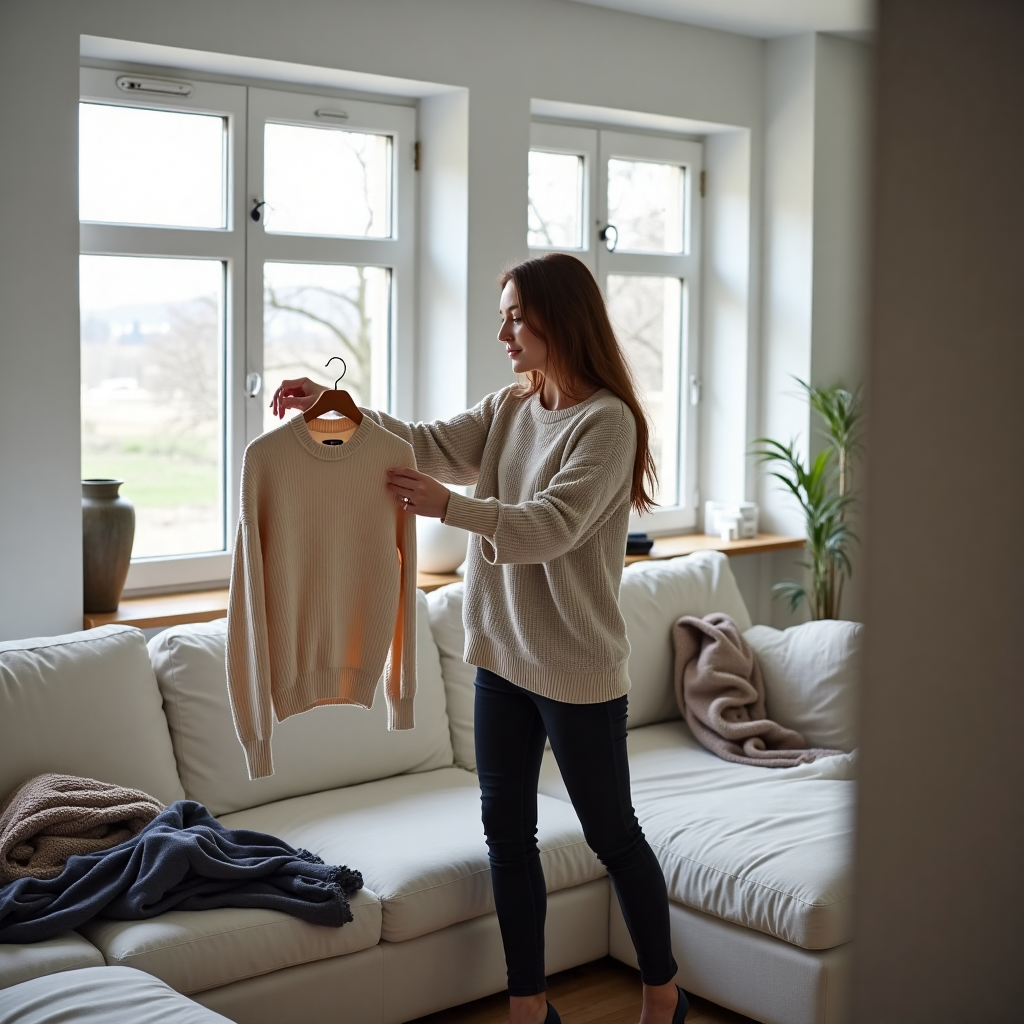
    Set aside a few hours for this process. Empty your entire wardrobe onto your bed or a clean floor. Yes, every single item. This visual shock is intentional. Most people underestimate how much they own. Seeing the full pile makes it easier to sort honestly. If the task feels overwhelming, break it into categories: tops, bottoms, outerwear, dresses, shoes, and accessories. Work through each category one at a time.

    Step 1: Categorise and Question Every Item

    Pick up each piece and ask yourself three questions. First, have I worn this in the last twelve months? If the answer is no, ask why. Was it uncomfortable, outdated, ill-fitting, or simply forgotten? Second, does this item reflect the person I am now, not the person I used to be? Many people hold onto clothes from past jobs, past sizes, or past identities. Those items take up physical and mental space. Third, does this garment make me feel confident and comfortable? If you hesitate on any of these questions, place the item in a designated “maybe” pile.

    Step 2: The Four-Pile Method

    Once you have evaluated every item, create four distinct piles:

    • Keep: Items you wear regularly and love. These are the foundation of your wardrobe.
    • Repair/Upcycle: Items with good bones but minor issues, such as missing buttons, loose hems, outdated silhouettes, or faded colour. These are your thrift-flipping candidates.
    • Donate/Sell: Items in good condition that no longer serve you. They can be donated to charity shops or sold online to fund future purchases.
    • Discard: Items that are stained, torn, or beyond reasonable repair. Recycle textiles if possible.

    The Repair/Upcycle pile is where the magic happens. These are pieces you already own that can be transformed into investment pieces with some creativity. A linen shirt with a stain can be dyed a deep indigo. A maxi dress with an outdated hem can be shortened into a modern midi. A boxy blazer can be cinched at the waist. You do not always need to buy new-to-you items to participate in thrift flipping; you can start with what you already have.

    Step 3: Identify Your Gaps and Set Intentions

    After sorting, look at your “Keep” pile. What is missing? Maybe you have plenty of casual tops but no structured outerwear. Perhaps you own several summer dresses but lack a versatile winter coat. Or you might have a strong collection of neutral basics but no statement pieces. Write down a list of these gaps. This list becomes your thrift-shopping guide. Instead of browsing aimlessly, you will visit thrift stores with clear intentions.

    Setting intentions is crucial because thrift stores can be overwhelming. Racks are filled with endless variety, and without a plan, it is easy to fill your cart with items you will never wear. Your gap list keeps you focused. For example, if your audit reveals you need a tailored camel coat, you can search for vintage wool coats in that colour family. If you need a versatile silk blouse, you can scan for quality silk fabric and classic prints. This approach transforms thrift flipping from a hobby into a strategic method for building a wardrobe of investment pieces.

    Understanding Vintage and Secondhand Quality

    Not all thrifted items are equal. The term vintage typically refers to garments that are at least 20 years old, while secondhand can be anything from last season to decades old. Vintage pieces often offer superior construction, but they may require more careful inspection. When you are thrift flipping, you are looking for garments with good bones: quality fabric, sturdy seams, and timeless cuts. These are the pieces that can be upcycled into long-lasting staples.

    The first thing to examine is the fabric. Natural fibres such as wool, silk, cotton, linen, and cashmere are generally better candidates for upcycling than synthetic blends. They dye more evenly, alter more cleanly, and age more gracefully. Rub the fabric between your fingers. Does it feel substantial? Is it pilling excessively? Small signs of wear can be managed, but fabric that is threadbare or sun-damaged is difficult to restore. Check under bright light if possible.

    Next, inspect the seams and construction. Turn the garment inside out. Are the seams straight and secure? Are there French seams, bound edges, or other signs of high-end finishing? Look at the buttons, zippers, and other hardware. In older garments, metal zippers and natural buttons are often indicators of quality. Cheap plastic hardware can be replaced, but it may not be worth the effort if the garment itself is poorly made.

    Finally, consider the silhouette. Vintage sizing differs greatly from modern sizing, so ignore the label and focus on the actual measurements. Carry a small tape measure when you thrift. Know your body measurements and compare them to the garment. Remember that a vintage garment may have been altered by a previous owner, so check for uneven hems or replaced seams. A garment with generous seam allowances is a dream for upcycling because it gives you more fabric to work with when resizing.

    Thrift Flipping Techniques: From Simple Fixes to Bold Transformations

    Once you have sourced your vintage or secondhand pieces, it is time to flip them. Upcycling does not have to be complicated. In fact, the most effective thrift flips are often the simplest. The goal is to create a garment that looks intentional and expensive, not crafty or homemade. Focus on clean lines, good fit, and subtle details.

    Basic Alterations That Instantly Elevate

    The most common reason thrifted clothes are ignored is poor fit. A vintage blazer may have a beautiful fabric but be too wide in the shoulders. A pair of high-waisted trousers may be too long. A dress may gape at the waist. Learning basic alteration skills can completely change how a garment wears. Simple adjustments include:

    • Hemming: Shortening trousers, skirts, and dresses to a modern length.
    • Tapering: Reducing excess width in the waist, sleeves, or legs for a more streamlined silhouette.
    • Taking in seams: Adjusting the side seams of a blazer, shirt, or dress to improve fit.
    • Shortening sleeves: Moving from a dated oversized sleeve to a tailored modern fit.
    • Replacing buttons: Swapping plastic buttons for horn, shell, or metal buttons instantly upgrades a garment.

    If you do not sew, a good tailor is worth the investment. The cost of altering a thrifted wool coat to fit you perfectly is often less than the cost of a new fast-fashion coat, and the result is far superior. A well-fitted garment always looks more expensive than a pricey one that hangs poorly.

    Colour and Fabric Transformations

    Dyeing is one of the most powerful tools in thrift flipping. Natural fibres take dye beautifully, allowing you to completely transform a faded or stained garment. A tired white cotton shirt can become a rich forest green. A pale yellow linen dress can be dyed deep burgundy. Dyeing also hides small imperfections and gives old clothes a new lease on life. Always check the fibre content before dyeing, as synthetic blends will not absorb dye evenly. For beginners, fibre-reactive dyes or all-purpose dyes for natural fabrics are a good starting point.

    Beyond dyeing, you can alter the texture and structure of a garment. Removing shoulder pads from an 1980s blazer instantly modernises it. Shortening a collar or removing a dated belt can change the entire feel of a dress. Adding a lining to a sheer vintage skirt improves both comfort and modesty. Small, thoughtful changes accumulate into a piece that feels custom-made.

    Reconstruction and Creative Upcycling

    For those with more advanced skills, full reconstruction opens up endless possibilities. You might combine two thrifted garments into one, such as using the fabric from a damaged silk dress to create a bias-cut slip. You could transform a large men’s shirt into a women’s blouse, or turn a vintage tablecloth into a summer top. These projects require pattern-making and sewing experience, but they are deeply rewarding. The key is to look at fabric as raw material. A damaged vintage garment can still be valuable if the fabric itself is beautiful.

    When reconstructing, always work with a plan. Sketch your idea, measure carefully, and make a muslin test if the project is complex. The more effort you put into the planning stage, the more professional the final result. Upcycling should honour the original garment while improving its function and aesthetic. Avoid overworking a piece to the point that it looks chaotic. Sometimes the best flip is the simplest one.

    Building a Wardrobe of Investment Pieces Through Thrift Flipping

    An investment piece is not defined by its price tag. It is defined by its quality, versatility, and longevity in your wardrobe. True investment pieces are garments you reach for again and again, that pair well with the rest of your closet, and that withstand years of wear. The beauty of thrift flipping is that it allows you to build this kind of wardrobe without spending a fortune.

    Focus on timeless silhouettes and neutral colours when selecting pieces to flip. A camel wool coat, a black silk blouse, a navy blazer, a pair of well-cut trousers, and a simple leather belt are all classic items. Vintage versions of these staples are often made from better materials than their modern counterparts. By upcycling them to fit your body and personal style, you create a wardrobe that feels both timeless and unique.

    It is also important to think about cost per wear. A thrifted cashmere sweater that costs ten dollars and needs a minor repair may have a low upfront cost, but its true value lies in how often you wear it. If you wear that sweater fifty times over five years, its cost per wear is practically nothing. In contrast, a cheap acrylic sweater worn twice before stretching out is far more expensive in the long run. When you view your wardrobe through the lens of cost per wear, you naturally gravitate toward quality pieces that last.

    Sustainability, Budget, and Personal Style

    Thrift flipping sits at the intersection of sustainability, budget, and personal style. It challenges the idea that fashion must be disposable or that new is always better. Every thrift flip is a small act of resistance against the fast fashion cycle. It is also a deeply personal practice. When you upcycle a garment, you imprint it with your own taste and creativity. No one else in the world will own the exact same piece.

    The environmental impact of fashion is staggering. The industry is responsible for significant carbon emissions, water consumption, and textile waste. By choosing vintage and secondhand items, you reduce demand for new production. By upcycling, you extend the life of garments that might otherwise be discarded. This is not about perfection; it is about making more mindful choices. Even one thrift flip per month can make a meaningful difference over time.

    Budget-wise, thrift flipping allows you to access quality that might otherwise be out of reach. A new cashmere sweater from a luxury brand can cost several hundred dollars. A vintage cashmere sweater from a thrift store might cost twenty dollars. With a little care and repair, that vintage sweater can look and feel just as luxurious. The money you save can be redirected toward other priorities, or invested in a few high-quality new pieces that are difficult to find secondhand, such as well-fitting jeans or modern shoes.

    Common Mistakes to Avoid in Thrift Flipping

    As with any skill, thrift flipping comes with a learning curve. One common mistake is buying items solely because they are cheap, without considering whether they fit your personal style or wardrobe gaps. A deal is only a deal if you will actually wear the piece. Another mistake is underestimating the time and cost of alterations. A vintage dress that needs extensive reshaping may not be a bargain once you factor in the tailoring. Be honest with yourself about your skills and budget.

    It is also easy to become overly ambitious with upcycling projects. Watching dramatic before-and-after videos can inspire you, but those flips often require years of experience. Start with simple projects and build your confidence gradually. A successful first flip, even a basic hem or button replacement, will motivate you far more than a failed complex reconstruction. Remember that the goal is to create a wearable wardrobe, not to accumulate a pile of half-finished projects.

    Finally, do not ignore the power of a good wardrobe audit. Your audit should be a living document, revisited at least once or twice a year. As your life changes, so do your wardrobe needs. Regular audits prevent you from slipping back into old habits of buying items you do not need. They also reveal the success of your thrift flips. When you see how often you wear a flipped piece, you know you have created something valuable.

    Conclusion

    Thrift flipping, vintage sourcing, and upcycling are not just hobbies; they are powerful tools for building a wardrobe that is sustainable, affordable, and deeply personal. The journey begins not in the thrift store, but in your own closet. A thorough wardrobe audit gives you the clarity to understand what you own, what you need, and what deserves to be transformed. From there, each thrift flip becomes a deliberate step toward creating true investment pieces that will serve you for years.

    Whether you are a seasoned sewer or a complete beginner, there is a place for you in the world of thrift flipping. Start small, stay curious, and focus on quality over quantity. Over time, you will develop an eye for hidden gems and the skills to transform them. The result is a wardrobe that tells your story, reflects your values, and stands the test of time. So open your closet, take stock, and begin your next thrift flipping adventure with intention.

  • Street Style Evolution: How Runway Trends, Seasonal Color Palettes, Layering, and Silhouette Define Modern Fashion

    Street Style Evolution: How Runway Trends, Seasonal Color Palettes, Layering, and Silhouette Define Modern Fashion

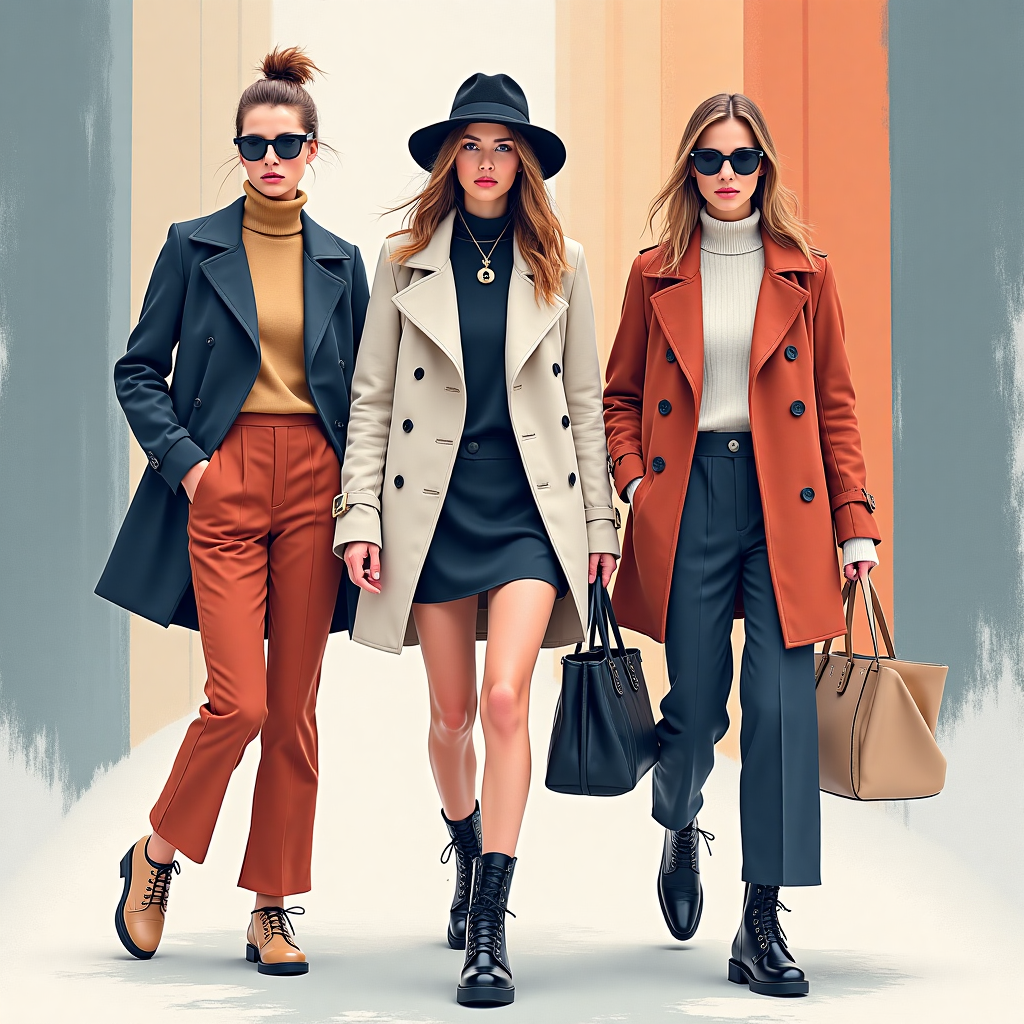
    Every season, the fashion industry presents a new visual language. Runway shows in Paris, Milan, New York, and London set the tone, but the true test of any trend happens when it reaches the pavement. Street style has become the most honest and immediate translation of high fashion, turning abstract editorial concepts into wearable, everyday expressions. Understanding how runway trends filter into street style requires more than just following a single aesthetic. It demands an awareness of the seasonal color palette, the discipline of layering, and a sharp eye for silhouette. These four elements work together to create looks that feel current, intentional, and deeply personal.

    For anyone building a wardrobe that responds to both the runway and the reality of daily life, the goal is not to imitate every look. The goal is to extract the underlying structure of a trend and adapt it to your own body, climate, and personality. A runway coat may be exaggerated in proportion, but its silhouette can be softened for the street. A seasonal color palette may be presented in monochrome head-to-toe runway looks, but it can be integrated through a single accessory or a layered knit. This article breaks down how to approach these four pillars of style with the eye of an editor and the practicality of a street style photographer.

    The Symbiotic Relationship Between Street Style and Runway Trends

    Runway trends have always influenced the way people dress, but the relationship is no longer top-down. In the past, designers dictated trends and consumers followed months later through department store buys. Today, street style feeds the runway as much as the runway feeds the street. Fashion editors, influencers, and everyday style enthusiasts are photographed outside shows, and their outfits often generate more engagement than the collections themselves. This two-way exchange means that a trend is only fully realized when it is interpreted by real people in real urban environments.

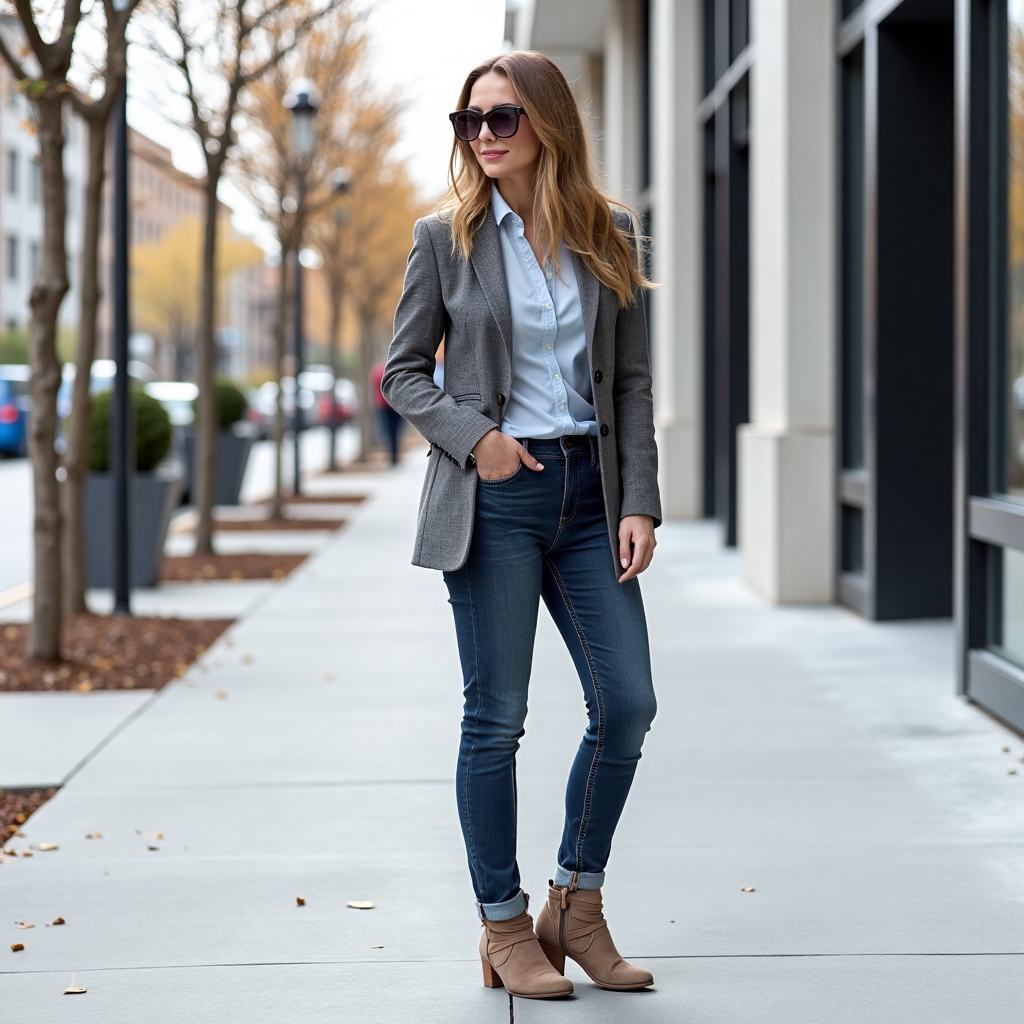
    For example, a designer may show an oversized blazer with sharp shoulders on the runway. The street style interpretation may pair that blazer with relaxed denim, a fitted turtleneck, and sneakers. The core idea—silhouette—remains, but the translation is more approachable. Similarly, a runway look may feature a head-to-toe burgundy ensemble, but on the street, that same seasonal color palette can appear as a burgundy leather bag, a merino wool scarf, or a pair of polished loafers. The key is to identify the central message of a trend, then adapt it without losing its essence.

    Social media has accelerated this process. A runway show happens at 2 p.m. in Milan, and by 6 p.m. street style interpretations are circulating globally. This instant feedback loop makes fashion more democratic but also more demanding. To stay current, you do not need to buy a new wardrobe each season. Instead, you need to understand how to remix existing pieces with new color accents, updated layering techniques, and fresh silhouette combinations. That is the true skill behind modern personal style.

    Mastering the Seasonal Color Palette

    A seasonal color palette is more than a list of trendy shades. It is a framework that reflects the mood, light, and texture of a particular time of year. Spring palettes often lean into soft pastels, fresh greens, and sky blues. Summer may introduce vibrant citrus tones, crisp whites, and nautical navy. Autumn brings warm rusts, deep olives, caramel browns, and burgundy. Winter often shifts toward charcoal, icy grays, jewel tones, and midnight blues. Understanding these shifts allows you to build outfits that feel harmonious with the environment, not disconnected from it.

    While each season has its own palette, the modern approach is not rigid. Designers frequently blur seasonal boundaries by showing dark tones in spring or pastel shades in winter. Street style embraces this fluidity. A winter palette may incorporate a pale lilac knit as a layering piece under a charcoal topcoat. A spring look may feature a deep chocolate leather jacket paired with a light blue shirting. The goal is to use the seasonal palette as a starting point, not a rulebook. The strongest looks often come from unexpected color combinations that still respect the overall tonal mood.

    How to Incorporate the Seasonal Color Palette

    Instead of overhauling your entire wardrobe each season, focus on strategic additions. A seasonal color palette can be introduced through small but high-impact pieces. Consider the following approach:

    • Accessories: A scarf, beanie, belt, or bag in a seasonal shade can update a neutral outfit instantly.
    • Knitwear: Sweaters and cardigans are perfect for introducing color because they are often layered against other tones.
    • Footwear: A pair of shoes in an unexpected seasonal hue can anchor an entire look.
    • Outerwear: A coat or jacket in a trend-forward color makes the biggest statement with the least effort.

    When building with a seasonal palette, pay attention to undertones. Warm palettes with terracotta, mustard, and cream create a cozy, approachable feel. Cool palettes with slate blue, lavender, and silver feel crisp and modern. You can mix warm and cool tones, but the key is balance. A warm camel coat over a cool gray sweater works because both are muted and sophisticated. A bright orange bag with a pastel blue dress can feel jarring unless the rest of the outfit is intentionally neutral. Color is a tool of communication—use it to direct attention and express mood.

    The Art of Layering: Function Meets Form

    Layering is the most practical and creative styling technique available. It allows you to adapt to changing temperatures, add visual depth, and combine multiple trends without overwhelming the eye. On the runway, layering is often exaggerated—sheer dresses over trousers, multiple coats stacked, or shirts tied over sweaters. Street style refines these ideas into wearable combinations that still feel dynamic. The secret to successful layering is not piling on as many pieces as possible, but rather understanding how different fabrics, lengths, and weights interact.

    Start with a thin base layer, such as a fitted cotton T-shirt or a silk blouse. Add a mid-layer like a fine-gauge knit, a denim jacket, or a tailored waistcoat. Finish with an outer layer such as a trench coat, a leather jacket, or an oversized blazer. This three-layer system works for nearly every climate and body type. The base provides comfort and cleanliness, the mid-layer adds warmth and texture, and the outer layer defines the overall silhouette. By changing any one of these layers, you can shift the entire look from casual to formal, from spring to winter, or from minimal to maximal.

    Layering Principles for Effortless Style

    • Mix textures: Pair smooth silk with chunky wool, or crisp cotton with soft cashmere. Texture contrast adds richness without needing bold color.
    • Play with lengths: Let a longer hemline peek out from under a shorter jacket. This creates vertical movement and elongates the body.
    • Respect proportion: If one layer is voluminous, keep the others more fitted. An oversized coat over a slim base looks intentional; oversized everything can look sloppy.
    • Use collars and necklines: A collared shirt under a crewneck sweater is a classic layering trick that adds structure and polish.
    • Consider translucency: Sheer layers, such as a mesh top under a blazer or a translucent raincoat over a knit, bring a modern runway energy to street style.

    Layering also allows you to wear pieces from different seasons together. A summer slip dress can be layered over a long-sleeve turtleneck for winter. A spring trench coat can be thrown over a chunky knit for early fall. This versatility extends the life of your wardrobe and reduces the need for constant new purchases. Layering is not just about staying warm—it is about creating new combinations from the pieces you already own.

    Silhouette: The Architectural Foundation of Your Wardrobe

    Silhouette refers to the overall shape created by your clothing when viewed as a whole. It is the first thing people notice, often before color or detail. Runway trends frequently revolve around silhouette shifts—moving from skinny to wide, from cropped to elongated, or from structured to fluid. Street style interprets these shifts in ways that flatter a variety of body types and lifestyles. Understanding silhouette is essential because it determines how an outfit balances, moves, and photographs.

    There are several core silhouettes that recur in fashion. The A-line silhouette is narrow at the shoulders and widens toward the hem, creating a flattering, classic shape. The column silhouette is straight and narrow from shoulders to hem, lending a sleek, modern line. The oversized silhouette uses exaggerated volume throughout, which can feel avant-garde but must be balanced carefully. The hourglass silhouette emphasizes the waist through belting or tailoring. Each silhouette communicates a different message: A-line feels feminine and graceful, column feels minimal and chic, oversized feels fashion-forward and relaxed, hourglass feels confident and classic.

    Street style often mixes silhouettes within a single outfit. A fitted top paired with wide-leg trousers creates an inverted triangle-like balance. An oversized blazer worn over a slim midi dress combines volume with restraint. The key is to create a deliberate shape rather than letting clothes hang randomly. Pay attention to where volume sits. If your bottom half is wide, keep the top more streamlined. If your shoulders are broad, avoid adding too much bulk on top. The best street style looks are not necessarily the most experimental; they are the most intentional.

    Key Silhouettes to Watch This Season

    • Relaxed Tailoring: Oversized blazers, slouchy trousers, and soft-shouldered coats create an easy but polished silhouette.
    • Volume Sleeves: Puff, bishop, and balloon sleeves add drama to an otherwise simple look, especially when paired with sleek bottoms.
    • Fluid Midi Lengths: Dresses and skirts that hit below the knee and above the ankle create a graceful, modern column or A-line.
    • Cropped Proportions: Cropped jackets, boxy shirts, and high-waisted pants shift the waistline and elongate the legs.
    • Sculptural Outerwear: Coats with strong shoulders, cocoon shapes, or architectural lines function as the defining element of an outfit.

    Choosing a silhouette is also about comfort and authenticity. A trend may favor extremely wide trousers, but if you feel lost in them, try a slightly tapered wide-leg instead. The goal is to honor the spirit of the trend while staying true to your own proportions. When silhouette, color, and layering align, the result is a look that feels cohesive from every angle—exactly the kind of outfit street style photographers love to capture.

    Building a Cohesive Look: Combining Color, Layers, and Silhouette

    The most successful street style looks are not about wearing the most expensive pieces or the most obvious logos. They are about creating harmony between runway trends, seasonal color palette, layering, and silhouette. Start with a silhouette as your foundation. Decide whether you want a relaxed, oversized feel or a sharp, tailored line. Then choose a color story based on the season and your mood. Finally, build layers that add depth without destroying the silhouette you established.

    For example, imagine a fall outfit. The seasonal palette suggests deep olive, warm camel, and burgundy. You choose a relaxed tailored silhouette: a camel oversized blazer, olive wide-leg trousers, and a fitted burgundy turtleneck. The layering comes from a thin white T-shirt under the turtleneck, or a lightweight scarf tucked into the blazer. Each piece respects the color story and the silhouette. The result is a look that could walk off a runway editorial but feels completely at home on a city street. That is the essence of modern style.

    Another example for spring: a fluid midi dress in a soft lavender shade becomes the silhouette anchor. You layer a lightweight white shirt underneath or a cropped denim jacket on top. A pair of cream sneakers keeps the look grounded. The seasonal color palette—lavender, white, cream—feels fresh and airy. The silhouette remains fluid and feminine, while the layers add street style credibility. The key is that every choice is connected. No piece is random. No color fights another. No layer disrupts the line.

    This approach also makes getting dressed easier. Instead of standing in front of your closet wondering what to wear, you can mentally scroll through these four categories. What silhouette do I want today? What colors feel right for the season and my mood? What layers will keep me comfortable and add interest? How do the pieces work together as a whole? Answering these questions transforms fashion from a passive consumption of trends into an active, creative practice.

    Conclusion: The Personal Runway

    Fashion is at its most exciting when the runway meets the street. Runway trends give us new ideas, but street style gives those ideas a heartbeat. The seasonal color palette connects us to the world outside our windows. Layering gives us the practicality and creativity to adapt. Silhouette gives every outfit its shape and intention. Together, these four elements form a complete language of personal style—one that is constantly evolving, endlessly expressive, and deeply individual.

    You do not need a front-row seat to participate. You only need to look at your own wardrobe with fresh eyes. Notice the silhouettes you are naturally drawn to. Identify the seasonal colors that make you feel most like yourself. Experiment with layers you have never combined before. Then step outside with confidence, because the street is the most honest runway there is.

  • Why Perfect Fit Is a Myth—And How Inclusive Sizing and Tailoring Can Change That

    Why Perfect Fit Is a Myth—And How Inclusive Sizing and Tailoring Can Change That

    For decades, the fashion industry has quietly told us that if a garment does not fit, the problem is our body. We have internalized the idea that we are too short, too tall, too curvy, too broad, or too narrow. But the rise of body positivity has helped flip that narrative. The issue is not the beautiful variety of human bodies; the issue is a clothing system built around a single imagined “average” body. When you combine inclusive sizing with smart tailoring and alterations, you stop waiting for your body to change and start demanding that clothes meet you where you are. This article explores how petite, tall, and plus bodies can navigate fit, why off-the-rack clothing often fails, and how a good tailor can transform your wardrobe into something that feels genuinely made for you.

    The Evolution of Body Positivity in Fashion

    Body positivity is not just about feeling good in your skin. It is also about access, representation, and the right to participate fully in fashion. For many years, the industry treated anyone outside a narrow size range as an afterthought. Plus-size shoppers were pushed toward matronly or overly embellished styles. Petite shoppers were told to shop in the children’s section or hem everything. Tall shoppers were expected to accept cropped pants and sleeves that never reached their wrists. This exclusion was not just an inconvenience; it was a message that certain bodies did not belong.

    Today, more brands are embracing inclusive sizing, offering extended size ranges, featuring diverse models, and using language that respects all bodies. However, inclusive sizing is only the first step. A size 22 dress designed from a size 6 pattern and simply scaled up rarely fits well. A petite line that only shortens hems misses the fact that shorter bodies have different shoulder widths, torso proportions, and knee placements. A tall line that only adds inseam length may still place waistlines too high and pockets in the wrong spot. True inclusion means acknowledging that fit is not one measurement, but a complex relationship between garment construction and the individual body wearing it.

    What Inclusive Sizing Really Means

    Inclusive sizing goes beyond offering a few extra sizes at the end of a rack. It means designing clothing with a wider range of body proportions in mind from the very beginning. A truly inclusive brand considers how a garment will fit someone with a larger bust, a shorter torso, broader shoulders, longer arms, or fuller hips. It means abandoning the idea that there is a single “normal” fit model and instead testing garments on multiple bodies.

    Unfortunately, many brands still treat inclusive sizing as a marketing slogan. They extend their size range without changing their blocks or construction methods. The result is a size 24 dress with armholes that gape, a petite blazer with lapels that overwhelm a smaller frame, or tall trousers with pockets that sit too high. This is why understanding your own proportions and learning how to use tailoring and alterations is so empowering. You can buy a garment that fits your largest or most challenging area and then have a tailor adjust the rest to follow your unique shape.

    The Limitations of Size Charts

    Size charts can be helpful, but they rarely tell the full story. They give you bust, waist, and hip measurements, but they cannot capture the distance between your shoulders and waist, the length of your torso, the curve of your seat, or the circumference of your upper arms. Because of this, two people with identical bust, waist, and hip measurements can require completely different alterations.

    • Bust-to-waist ratio varies widely: A garment may fit your bust but gape at the waist, or fit your waist but pull across the chest.
    • Height and limb length matter: A tall person may have a longer rise, while a petite person may have a shorter distance between shoulder and bust.
    • Vanity sizing is inconsistent: A size 12 in one brand may be a size 16 in another, making charts less reliable than actual garment measurements.
    • Fabric and stretch change fit: A woven cotton blouse and a stretch jersey dress will fit the same body very differently.
    • Shoulder and armhole placement: These are difficult to alter and often determine whether a top or jacket truly fits.

    Understanding Petite, Tall, and Plus Fits

    Petite, tall, and plus are not just size categories. They are entire fit systems with their own set of challenges. Understanding these challenges helps you shop more strategically and communicate better with a tailor.

    Petite Fit Challenges

    Petite clothing is designed for shorter frames, but being petite is about proportion, not just height. Many petite women have a shorter torso, narrower shoulders, and a higher waist than standard sizing assumes. A petite garment should adjust not only hems but also the placement of waistlines, bust darts, pockets, and knee details.

    Common issues for petite bodies include:

    • Dresses and skirts hitting at the wrong place: A midi dress designed for a 5’7” frame may become a maxi on a 5’0” frame and visually shorten the legs.
    • Sleeves and jacket cuffs covering the hands: This can make an outfit look sloppy rather than tailored.
    • Waistlines sitting too low: When an empire waist or seam sits below the natural waist, it can make a petite torso look longer and wider.
    • Shoulders slipping off: Shoulder seams that extend past the natural shoulder create a drooping, oversized effect that is hard to fix.

    Tall Fit Challenges

    Tall bodies face the opposite problem. Standard garments are often cut too short in the body, arms, and legs. But tall fit is not only about adding length. The placement of details matters just as much. Tall women often have a longer rise, longer torso, and higher natural waist relative to their total height. A tall garment that simply adds inches to the hem may still place the waist seam too high or the knee break too low.

    Common issues for tall bodies include:

    • Too-short sleeves and inseams: This is the most obvious frustration, especially for tall women over 5’10”.
    • Waistlines that hit under the bust instead of at the waist: This distorts the intended silhouette and can make clothing feel constricting.
    • Pockets and details in the wrong spot: Hip pockets may sit too high, and knee patches on trousers may land above the knee.
    • Cropped styles becoming unintentionally shorter: A cropped flare meant to hit mid-calf may look like a flood pant on a taller frame.

    Plus Fit Challenges

    Plus-size bodies are incredibly diverse. Some plus shoppers carry weight in their midsection, others in their hips, bust, thighs, or upper arms. A well-designed plus garment should provide enough room where needed without adding unnecessary volume elsewhere. Unfortunately, many brands simply make everything larger in all directions, resulting in shapeless, baggy clothing that does not flatter anyone.

    Common issues for plus bodies include:

    • Gaping waistbands: Pants and skirts that fit the hips often leave a large gap at the back of the waist.
    • Pulling across the bust or hips: Buttons may strain, and seams may pull open because the garment was not designed for curves.
    • Armholes cut too small or too large: This can cause chafing, restricted movement, or an awkward fit around the bust.
    • Tops and dresses becoming too short in the front: A full bust or belly can lift the hem higher than intended, creating an uneven silhouette.

    Why Off-the-Rack Fashion Falls Short

    Most ready-to-wear clothing is designed around a single fit model, typically a size 6 or 8 who is about 5’6” tall with a relatively straight torso and narrow hips. From that one pattern, brands grade up and down to create their full size range. Grading uses mathematical formulas to increase or decrease measurements, but human bodies do not grow or shrink in perfect mathematical proportion. A size 20 body is not simply a size 8 body scaled up by 150%. Shoulders, bust, waist, and hips all change at different rates, and height does not increase proportionally with width.

    This system means that even when a garment is available in your size, it may not be cut for your body. This is not a personal failure. It is a design limitation. Tailoring and alterations exist to correct that limitation. A tailor can take a garment that is close to fitting and refine it to match your individual proportions, giving you a better fit than any off-the-rack item can offer.

    Tailoring and Alterations: The Missing Link

    Many people think of tailoring as something reserved for luxury wardrobes, formal wear, or people with unlimited budgets. In reality, tailoring is one of the most practical and body-positive investments you can make. A well-fitted $60 blazer can look better than an ill-fitting $600 designer blazer. Alterations allow you to shop more flexibly, embrace styles you might otherwise avoid, and extend the life of your clothing.

    Tailoring is not about hiding your body. It is about honoring it. When a garment follows your natural proportions, you feel more comfortable, confident, and polished. You stop tugging at hems, adjusting straps, or feeling self-conscious about gaping buttons. Instead, you can move through your day without constantly thinking about your clothes.

    Common Alterations for Every Body

    Some alterations are universally useful. Whether you are petite, tall, plus, or straight-sized, these adjustments can make a huge difference:

    • Hemming: Shortening or lengthening pants, skirts, dresses, and sleeves to the most flattering point.
    • Taking in or letting out waistbands: Eliminating gaps and improving the way trousers and skirts sit on your hips and waist.
    • Tapering legs and sleeves: Removing excess fabric to create a cleaner, more tailored line.
    • Adjusting shoulder straps: Keeping necklines and armholes in the right position so you are not constantly pulling up your top or dress.
    • Adding darts: Shaping fabric around the bust, waist, or back to reduce boxiness.
    • Shortening or lengthening shoulder seams: A more involved alteration that can dramatically improve the fit of jackets and structured tops.
    • Replacing buttons and zippers: Upgrading hardware for both function and style.

    Alterations for Petite Frames

    For petite bodies, the most transformative alterations usually involve proportion. A tailor can shorten a blazer at the waist, move pockets up, narrow lapels, and raise the break on a pair of trousers. These adjustments bring the garment’s design details into alignment with a shorter frame, making you look taller and more put-together. If you love maxi dresses but find they overwhelm you, a tailor can hem them to the correct floor-skimming length and take in excess volume so the silhouette remains elegant.

    Alterations for Tall Frames

    For tall bodies, alterations are often about adding length where possible or adjusting the placement of details. Jacket sleeves can sometimes be lengthened from the cuff, and trouser hems can be let down if there is enough seam allowance. A tailor can also lower a waistline seam on a dress or top, though this is a more complex alteration. If pockets sit too high, they can sometimes be repositioned. Even small tweaks, like lengthening a strap or moving a button, can make a standard garment work for a taller frame.

    Alterations for Plus Frames

    For plus bodies, tailoring is about creating shape without sacrificing comfort. A tailor can take in a waistband that gaps at the back, add darts to define the waist, adjust armholes to prevent chafing, and shorten straps so a neckline sits properly. If you find that tops are too tight across the bust but too loose at the waist, a tailor can open side seams or add a small panel of fabric. The goal is not to squeeze a plus body into a smaller silhouette, but to make the garment follow the natural curves you already have.

    How to Shop with Tailoring in Mind

    One of the best ways to build a wardrobe that actually fits is to shop with alterations already in mind. Instead of looking for a perfect off-the-rack fit, look for garments with good bones. Focus on the areas that are hardest to alter, such as the shoulders, bust, and torso length. If a jacket fits well in the shoulders, a tailor can take in the waist, shorten the sleeves, and adjust the length. If trousers fit well in the hips and rise, a tailor can taper the legs and adjust the hem.

    When shopping, follow these guidelines:

    • Buy for your largest measurement: Choose the size that fits your broadest or fullest area comfortably. It is easier to take a garment in than to let it out.
    • Check the seam allowance: Look inside the garment to see if there is extra fabric at the seams. More allowance means more room to let out later.
    • Prioritize fit at the shoulders and bust: These areas are structural and difficult to change. If they fit well, everything else is more manageable.
    • Consider fabric and construction: Natural fibers like cotton, linen, and wool are generally easier for tailors to work with than rigid synthetics or heavily bonded fabrics.
    • Budget for alterations: Add anywhere from 10 to 20 percent of the garment’s price to your mental budget for tailoring. Even a simple hem is an investment in fit.

    Finding and Communicating with a Tailor

    A good tailor is a valuable partner in your style journey. Start by asking for recommendations from friends, reading online reviews, or checking local community groups. Look for someone who listens carefully, asks questions about how you want the garment to fit, and is honest about what can and cannot be done. A skilled tailor will not just pin and sew; they will help you understand why a garment is fitting a certain way and what changes will make the biggest impact.

    When you visit a tailor, bring the shoes and undergarments you plan to wear with the garment. These can change the way a hem falls or how a bodice sits. Put the garment on and explain exactly what feels off. Is the waist too loose? Do the sleeves twist? Is the hemline uneven because of your hips? The more specific you are, the better your tailor can help you.

    • Bring reference photos: If you have a specific look in mind, show your tailor. Visuals reduce miscommunication.
    • Be honest about how you want to feel: Do you want a relaxed fit or a structured, tailored look? Your comfort matters.
    • Schedule a fitting: For more complex alterations, a second fitting allows the tailor to make final adjustments before finishing the garment.
    • Start with one garment: Test a tailor with a simple hem or waist adjustment before committing to a larger project.

    The Body-Positive Case for Alterations

    There is a lingering idea that buying a garment and then having it altered means you failed at shopping. That could not be further from the truth. In fact, using tailoring and alterations is one of the most body-positive things you can do. It is an act of self-respect that says your body deserves clothes that fit well, not clothes that make you feel uncomfortable or inadequate.

    Inclusive sizing and tailoring work best together. Inclusive sizing gives you more options to choose from, and tailoring refines those options to your exact shape. When you stop expecting off-the-rack clothing to fit perfectly and start viewing alterations as a normal part of dressing, you open up a world of style possibilities. You can buy the vintage jacket with the perfect fabric and have it fitted. You can choose the wide-leg trousers that pool on the floor and have them hemmed precisely to your preferred length. You can embrace trends that were previously off-limits because they never seemed to sit correctly on your body.

    This shift also has a sustainability benefit. Instead of discarding clothes that do not fit and buying more, you can repair, alter, and reimagine what you already own. A tailor can refresh an old blazer by updating the buttons, slimming the sleeves, or taking in the waist. A seamstress can turn a too-long dress into a modern midi. Alterations keep clothing in circulation longer, reducing waste and encouraging a more thoughtful relationship with what we wear.

    Conclusion

    The pursuit of the perfect fit should not be a source of shame or frustration. It is a conversation between your body and your wardrobe, and body positivity is the foundation that makes that conversation kinder and more productive. Inclusive sizing is expanding the fashion world’s narrow definitions, but it cannot solve every fit problem alone. Petite, tall, and plus bodies all have unique proportions that mass production cannot fully predict. That is where tailoring and alterations become your secret weapon.

    When you learn to shop strategically and work with a skilled tailor, you stop waiting for clothing to change and start making clothing work for you. You reject the idea that your body is the problem. Instead, you treat yourself with the care and respect you deserve. Every hem, every dart, every adjusted shoulder seam is a small act of self-love. The result is not just a better-fitting wardrobe, but a deeper sense of confidence that comes from knowing your clothes reflect who you truly are.

  • From Field to Future: How Sustainable Fabrics, Organic Cotton, Deadstock, Circular Fashion, and Resale Are Rewriting the Rules of Style

    From Field to Future: How Sustainable Fabrics, Organic Cotton, Deadstock, Circular Fashion, and Resale Are Rewriting the Rules of Style

    For decades, the fashion industry has operated on a simple but destructive premise: take raw materials, turn them into clothing, sell them quickly, and encourage consumers to discard them when the next trend arrives. This linear model has given us overflowing landfills, polluted waterways, and a growing sense of unease about the true cost of what we wear. But a new narrative is taking shape. It is built around sustainable fabrics, organic cotton, deadstock materials, circular fashion, and the explosive growth of resale. Together, these ideas are not just changing how clothes are made; they are transforming how we think about ownership, value, and the lifecycle of every garment we touch.

    Understanding these concepts is no longer a niche pursuit for eco-conscious insiders. It has become essential knowledge for anyone who wants to build a wardrobe that respects both people and the planet. In this article, we will explore each of these pillars in depth, explain how they connect, and offer practical guidance on how you can participate in fashion’s most important shift in generations.

    The Rise of Sustainable Fabrics

    At the heart of the sustainable fashion movement is the material itself. A fabric’s environmental footprint is determined by how it is grown or produced, how it is processed, dyed, and finished, and what happens to it at the end of its useful life. Conventional fabric production often relies on synthetic pesticides, toxic dyes, and fossil-fuel-based fibers that shed microplastics into our oceans. In contrast, sustainable fabrics aim to reduce environmental harm while maintaining quality, durability, and comfort.

    There is no single perfect sustainable fabric. Instead, the term covers a broad spectrum of materials that perform better than conventional alternatives in areas such as water use, chemical inputs, carbon emissions, biodegradability, or recyclability. The best choice often depends on the specific garment, climate, and intended use. However, the common thread is a commitment to lower impact and greater transparency.

    What Makes a Fabric Sustainable?

    Several factors determine whether a fabric can genuinely be described as sustainable. These include the source of the raw material, the energy and water required for processing, the chemicals used in dyeing and finishing, the durability of the final textile, and its end-of-life options. A fabric that is biodegradable but requires enormous amounts of water may not be sustainable in water-scarce regions. Likewise, a recycled fiber that sheds microplastics still presents environmental challenges. True sustainability requires a holistic view of the entire supply chain.

    • Renewable or recycled inputs: Fabrics made from rapidly renewable plants, agricultural waste, or recycled materials reduce the need for virgin resources.
    • Low-impact processing: Closed-loop systems that recapture water and chemicals, or dyeing methods that use less water and non-toxic colorants, are key.
    • Durability and longevity: A fabric that lasts for years and withstands repeated wear reduces the need for replacement.
    • End-of-life potential: Biodegradable or easily recyclable textiles help close the loop rather than ending up in landfill.

    Leading Sustainable Fabric Innovations

    Designers and manufacturers now have access to a growing toolkit of sustainable materials. Some are ancient fibers rediscovered for modern use, while others are high-tech innovations developed in laboratories.

    • Lyocell (TENCEL™): Made from sustainably harvested wood pulp, lyocell is produced in a closed-loop process that reuses almost all solvents and water. It is soft, breathable, and biodegradable.
    • Hemp: A fast-growing crop that requires little water and no synthetic pesticides. Hemp fabric is durable, naturally resistant to UV light, and becomes softer with each wash.
    • Linen: Derived from the flax plant, linen is strong, breathable, and biodegradable. It can be grown with relatively low water and chemical inputs compared to conventional cotton.
    • Recycled polyester: Made from post-consumer plastic bottles or discarded textiles, recycled polyester reduces dependence on virgin petroleum. However, it still sheds microplastics, so it is best used in durable outerwear and washed with a microfiber filter.
    • Piñatex and other plant leathers: Made from pineapple leaf fiber, apple waste, or cactus, these materials offer cruelty-free alternatives to animal leather with a lower environmental impact.

    While sustainable fabrics are essential, they are only one piece of the puzzle. Without better design, production, and consumption patterns, even the greenest fabric can become waste. That is why organic cotton, deadstock, circular fashion, and resale are equally critical to the larger transformation.

    Organic Cotton: Growing a Better Future

    Cotton is one of the world’s most widely used natural fibers, but conventional cotton farming has a heavy environmental price. It accounts for a significant share of global insecticide and pesticide use, consumes vast quantities of water, and often relies on genetically modified seeds that can degrade soil health and reduce biodiversity. Organic cotton offers a compelling alternative by focusing on soil fertility, biodiversity, and the elimination of synthetic chemicals.

    How Organic Cotton Differs from Conventional Cotton

    Organic cotton is grown using methods and materials that have a low impact on the environment. Instead of synthetic pesticides and fertilizers, organic farmers rely on crop rotation, compost, beneficial insects, and natural pest management. This approach helps build healthy soil that retains water more effectively, reduces toxic runoff into rivers and lakes, and protects the health of farming communities.

    • No synthetic pesticides or fertilizers: Organic standards prohibit the use of most synthetic chemicals, reducing harm to ecosystems and farmworkers.
    • Non-GMO seeds: Organic cotton is grown from non-genetically modified seeds, preserving traditional plant varieties and farmer independence.
    • Better soil health: Organic practices such as intercropping and composting increase organic matter in the soil, which can improve water retention and carbon sequestration.
    • Certification and traceability: Certifications such as GOTS (Global Organic Textile Standard) and OCS (Organic Content Standard) help verify that the cotton meets strict environmental and social criteria.

    The Benefits and Limitations of Organic Cotton

    The benefits of organic cotton extend beyond the field. Garments made from organic cotton are typically free from residual chemicals that can irritate sensitive skin. They are often produced in facilities that follow stricter social and environmental standards. Because organic farming improves soil structure, it can also help farms become more resilient to drought and climate change.

    However, organic cotton is not a silver bullet. It still requires water to grow, and in some regions, organic cotton can produce lower yields than conventional cotton, requiring more land to grow the same amount of fiber. The processing of organic cotton into fabric can still involve dyes and finishes that are not environmentally benign unless additional standards are applied. Therefore, the most responsible use of organic cotton is not to treat it as an excuse for overconsumption, but as part of a broader strategy that includes buying less, choosing durable garments, and caring for them well.

    When shopping for organic cotton, look for garments that carry recognized certifications. A label that simply says “eco” or “natural” without independent verification may be misleading. GOTS certification, for example, covers not only the farming of the cotton but also the entire processing chain, including dyeing and manufacturing, ensuring that social criteria such as fair wages and safe working conditions are met.

    Deadstock: Giving Unused Textiles a Second Life

    One of the most glaring inefficiencies in fashion is the enormous amount of fabric that never becomes a finished product. Mills overproduce to meet uncertain demand, brands cancel orders, and leftover rolls of fabric sit in warehouses. This unused material is known as deadstock. In the past, deadstock was often sold to liquidation markets, incinerated, or sent to landfill. Today, a growing number of designers are recognizing deadstock as a valuable resource and a creative opportunity.

    What Exactly Is Deadstock Fabric?

    Deadstock refers to leftover fabric that is no longer needed by the original buyer. It can include excess production from mills, canceled orders, fabric with minor imperfections, or end-of-season surplus. Deadstock can also include unused notions, zippers, buttons, and trims. The key distinction is that deadstock is new and unused, but it would otherwise go to waste if not repurposed. It is not the same as used clothing or vintage fabric, although both can play important roles in sustainable fashion.

    Why Deadstock Matters

    Using deadstock offers several compelling benefits. First, it prevents perfectly good textiles from being destroyed or landfilled, reducing waste at the source. Second, it avoids the environmental impact of producing new fabric, since the material already exists. Third, deadstock often comes in limited quantities, which naturally encourages small-batch production and reduces the likelihood of overproduction. For independent designers, deadstock offers access to high-quality fabrics at a lower cost than ordering new material.

    There is also a creative dimension. Because deadstock availability is unpredictable, designers must be flexible and resourceful. This constraint can lead to more thoughtful, unique designs that cannot be endlessly replicated. Consumers benefit from owning garments made from fabrics that may never be produced again, lending a sense of rarity and individuality to each piece.

    Challenges and Opportunities in Deadstock Sourcing

    Deadstock is not without its complexities. Sourcing deadstock requires strong relationships with mills, factories, and suppliers. Brands must verify the fiber content, quality, and history of the fabric, which can be difficult when documentation is incomplete. Some companies have begun creating digital marketplaces that connect deadstock sellers with buyers, improving transparency and accessibility. These platforms allow small brands to source small quantities of leftover fabric that would otherwise be unattainable.

    It is also important for consumers to understand that deadstock does not automatically mean the fabric is organic or non-toxic. A leftover roll of conventional polyester is still synthetic and may shed microplastics. However, from a circularity perspective, using existing resources is almost always better than producing new ones. The highest-impact use of deadstock is often in combination with other sustainable practices, such as natural fibers, non-toxic dyes, and durable construction.

    Circular Fashion: Designing Out Waste

    The concept of circular fashion represents a fundamental departure from the linear “take-make-dispose” model. In a circular system, products are designed from the outset to be used for as long as possible, then repaired, resold, remade, or recycled so that materials never become waste. Circular fashion draws inspiration from natural ecosystems, where nothing is wasted and every output becomes an input for something else.

    The Core Principles of Circular Fashion

    Circular fashion is built on several interconnected principles. The first is designing for longevity. This means choosing durable fabrics, reinforced seams, timeless silhouettes, and colors that do not quickly fade or look dated. The second is designing for repairability. A circular garment should be easy to mend, with replaceable components such as buttons, zippers, and linings. The third is designing for recyclability. At the end of a garment’s life, its materials should be easy to separate and recover.

    • Longevity: Durable materials and quality construction extend the useful life of each garment.
    • Repairability: Easy access to spare parts, repair guides, and alteration services keeps clothing in use longer.
    • Material recovery: Recyclable or biodegradable fibers allow materials to return safely to the system.
    • Non-toxicity: Avoiding hazardous chemicals ensures that materials can be safely reused, recycled, or composted.
    • Systems thinking: Brands, consumers, and recyclers must work together to keep materials flowing through the loop.

    How Circular Fashion Changes Business Models

    Circular fashion requires new ways of doing business. Traditional brands profit by selling more new products. Circular brands profit by keeping products in use. Some offer repair services, take-back programs, or subscription rental models. Others design modular garments that can be updated or customized over time. Resale is also a crucial part of circularity, because it extends the life of clothing that might otherwise be discarded.

    Consider a pair of jeans made from organic cotton. In a linear model, the jeans are worn for a year, then thrown away when the knees wear out. In a circular model, the jeans are designed with reinforced knees, sold with a repair kit, and accepted back by the brand for resale or recycling when the customer is finished with them. The cotton fibers can be mechanically recycled into new yarn, or if the jeans are too worn, they can be composted if they are free from synthetic dyes and finishes. This is the promise of circular fashion: clothing that never truly becomes waste.

    The Consumer’s Role in Circular Fashion

    Consumers are essential to circular fashion. The most sustainable garment is the one already in your closet. By caring for your clothes properly, repairing them when they break, and wearing them for longer, you reduce the demand for new resources. When you no longer want an item, selling it, swapping it, or donating it to a responsible organization keeps it in circulation. Learning basic mending skills, such as sewing on a button or patching a hole, can dramatically extend the life of your wardrobe.

    It is also helpful to read labels and understand what materials your clothes are made from. Avoid garments that blend natural and synthetic fibers in ways that make recycling difficult. Look for brands that offer take-back programs or design for disassembly. Ask questions about where and how a product was made. Every purchase is a vote for the kind of fashion industry you want to see.

    Resale: The Fastest-Growing Frontier in Fashion

    Perhaps no trend has done more to mainstream circular fashion than the explosive growth of resale. Once relegated to thrift stores and consignment shops, secondhand clothing is now a booming global market. Online platforms have made it easier than ever to buy and sell pre-owned fashion, and consumers of all ages are embracing the idea that secondhand does not mean second best.

    Why Resale Is Booming

    The rise of resale is driven by several factors. Younger consumers, in particular, are motivated by environmental concerns and a desire for unique, affordable clothing. Resale offers a way to access high-quality brands at a fraction of the original price, while reducing the environmental impact of new production. Social media has also fueled the trend, with haul videos, thrift flips, and styling challenges making secondhand shopping aspirational rather than stigmatized.

    Economic pressures play a role as well. As the cost of living rises, many shoppers are turning to resale to save money or to earn extra income from items they no longer wear. The result is a cultural shift: owning something new is no longer the ultimate status symbol. Instead, finding a rare vintage piece or a perfectly broken-in pair of jeans can be just as desirable.

    How Resale Supports Circular Fashion

    Resale is one of the most effective ways to keep clothing in use. Every time a garment is resold, it displaces the need for a new item to be produced. This saves water, energy, and raw materials, and prevents the garment from ending up in landfill. Resale also captures the economic value of clothing, which incentivizes better initial quality. If consumers know they can resell a well-made garment later, they may be willing to pay more for it upfront, supporting brands that prioritize durability and timeless design.

    • Extends product life: Resale gives garments a second, third, or fourth life with a new owner.
    • Reduces landfill waste: Fewer discarded clothes means less pressure on waste systems.
    • Supports conscious consumption: Resale encourages buyers to think carefully about what they truly want.
    • Creates a financial incentive: Sellers can recoup some of their investment, making higher-quality purchases more accessible.

    Tips for Buying and Selling Secondhand

    To get the most from resale, it helps to approach it with intention. When buying secondhand, check measurements carefully, since sizing varies widely across brands and eras. Look at photos for signs of wear, and ask the seller about stains, odors, or repairs. Familiarize yourself with the platform’s return policy and authentication process, especially for high-value items.

    When selling, present your items honestly and attractively. Clean the garment, steam or iron it, and take clear photos in natural light. Measure the item and provide details about fabric content and condition. Price competitively by researching similar items that have sold recently. Remember that resale is not just about making money; it is about passing on something you once loved to someone who will love it next.

    How Sustainable Fabrics, Organic Cotton, Deadstock, Circular Fashion, and Resale Work Together

    These five concepts are not separate trends; they are deeply interconnected parts of a larger system. Sustainable fabrics reduce the impact of raw material production. Organic cotton proves that natural fibers can be grown responsibly. Deadstock solves the problem of textile waste at the manufacturing stage. Circular fashion provides the design framework for keeping materials in use. And resale ensures that finished garments find new homes instead of ending up in landfills.

    Imagine a jacket made from deadstock organic cotton, designed with replaceable buttons and a repair patch included. It is sold with a QR code that links to care instructions and a resale platform. After two years, the first owner sells it online, where it is purchased by someone who wears it for another three years. When a seam finally tears, the owner repairs it using the included patch. When the jacket can no longer be worn, it is returned to the brand, which recycles the cotton into new fabric. This is not a fantasy; it is a realistic model that many brands are beginning to implement.

    The transition to this model requires cooperation across the entire industry. Designers must choose materials with end-of-life in mind. Manufacturers must reduce waste and embrace deadstock. Brands must offer repair services and take-back programs. Consumers must buy less, wear longer, and participate in resale. No single action is enough on its own, but together they add up to a powerful shift.

    Navigating Greenwashing and Making Informed Choices

    As sustainability becomes more popular, the risk of greenwashing grows. Some brands use vague terms like “eco-friendly” or “conscious” without providing evidence. Others launch small sustainable capsules while continuing to produce the majority of their lines unsustainably. To avoid being misled, look for third-party certifications, transparent supply chains, and specific claims that can be verified.

    Certifications such as GOTS for organic cotton, OEKO-TEX for chemical safety, Fair Trade for labor standards, and Bluesign for responsible manufacturing can help you identify genuinely better products. However, certifications are not a substitute for common sense. A certified organic cotton T-shirt that is worn twice and thrown away is still worse than a conventional T-shirt worn for five years. The most sustainable garment is the one you already own or the one you will wear for a long time.

    Support brands that are honest about their challenges. No company is perfect, and sustainability is a journey. The best brands share their goals, report on their progress, and admit where they need to improve. They design for durability, offer repair services, and take responsibility for their products at the end of life. They do not simply market sustainability; they build it into their operations.

    Practical Steps to Build a More Sustainable Wardrobe

    You do not need to replace your entire wardrobe to participate in this movement. In fact, the most sustainable approach is to start with what you already have. Take inventory of your closet, identify the pieces you actually wear, and commit to caring for them properly. Wash in cold water, air dry when possible, and learn basic repairs. These simple habits can dramatically extend the life of your clothing.

    When you do buy something new, prioritize sustainable fabrics and organic cotton from brands that are transparent about their supply chains. Consider deadstock pieces from small designers who are actively reducing textile waste. Look for garments that are designed to be repaired, resold, or recycled. Before buying, ask yourself if you will wear the item at least thirty times. If not, consider borrowing, renting, or buying secondhand instead.

    Finally, embrace resale as both a buyer and a seller. When you have items you no longer wear, sell them on platforms that make it easy to find them a new home. This not only keeps clothing out of landfill but also funds your next thoughtful purchase. Over time, you will find that a smaller, better-loved wardrobe brings more satisfaction than a closet full of things you never wear.

    Conclusion

    The fashion industry stands at a crossroads. The old model of endless growth, disposability, and environmental harm is no longer acceptable to a growing number of consumers, designers, and policymakers. In its place, a new vision is emerging, one built on sustainable fabrics, organic cotton, deadstock materials, circular fashion, and resale. These concepts are not passing trends; they are the foundation of a more responsible and resilient fashion system.

    This transformation will not happen overnight, and it will require effort from everyone involved. Brands must redesign their products and business models. Manufacturers must reduce waste and embrace cleaner processes. Consumers must rethink their relationship with clothing, valuing quality over quantity and longevity over novelty. But the good news is that the tools and knowledge are already available. By choosing better materials, supporting circular systems, and keeping clothes in use, we can all play a part in shaping a fashion future that respects both people and the planet.

  • Why a Capsule Wardrobe Is the Ultimate Antidote to Fast Fashion: Timeless Pieces, Slow Fashion, and the Power of Cost-Per-Wear

    Why a Capsule Wardrobe Is the Ultimate Antidote to Fast Fashion: Timeless Pieces, Slow Fashion, and the Power of Cost-Per-Wear

    For decades, the fashion industry has trained us to believe that more is always better. More trends, more shopping trips, more pieces in the closet, and more outfits to choose from every morning. Yet if you have ever stood in front of an overflowing wardrobe and whispered, “I have nothing to wear,” you already understand the central paradox of fast fashion. The constant churn of cheap garments does not create a more satisfying relationship with your clothes. It creates clutter, decision fatigue, and a lingering sense that you are always one purchase away from having a complete style. A capsule wardrobe flips that narrative entirely. By combining the principles of slow fashion, investing in timeless pieces, and calculating the true value of every garment through cost-per-wear, you can build a smaller, smarter, and significantly more satisfying wardrobe. This article explores how these concepts work together and why they offer a powerful alternative to the exhausting cycle of buying, discarding, and buying again.

    The Fast Fashion Trap: More Choices, Less Value

    Fast fashion is built on speed. Brands that follow this model churn out new styles every week, often inspired by runway looks or viral social media trends. The goal is to get a garment from design to the sales floor as quickly and cheaply as possible. On the surface, it seems like a win for consumers. You can walk into a store or scroll through an app and find a new top for less than the price of a coffee. But the low sticker price is rarely the full story. The real cost is hidden in poor-quality fabrics, rushed construction, and a business model that depends on you coming back again and again.

    One of the most destructive side effects of fast fashion is the constant pressure to chase novelty. When trends change every few weeks, the clothes you bought last month can start to feel outdated, even if they are still in perfect condition. This creates a psychological cycle where shopping becomes less about need and more about keeping up. The result is a wardrobe full of pieces that were never designed to last, both physically and stylistically. You may have more items than ever, but very few of them feel genuinely valuable or worth keeping for the long term.

    Financially, this model is also deceptive. A $15 shirt may seem like a bargain, but if it loses its shape after three washes or falls apart within a season, you will need to replace it soon. Over the course of a year, you may spend far more on disposable clothing than you would on a smaller number of high-quality items. The constant acquisition of cheap garments also has a well-documented environmental impact. Textile waste, water pollution, and carbon emissions are all accelerated by a system that treats clothing as disposable. Understanding these hidden costs is the first step toward a smarter approach.

    The Hidden Costs Behind the Low Price Tag

    When you buy a cheap garment, you are paying for more than just the fabric and stitching. You are paying for a system that externalizes many of its true costs. Here are some of the hidden expenses and consequences of fast fashion:

    • Poor fabric quality: Many fast fashion items are made from synthetic fibers or low-grade cotton that pills, fades, and stretches quickly.
    • Weak construction: Loose threads, uneven seams, and cheap zippers mean the garment often fails after only a few wears.
    • Environmental damage: The production of cheap clothing consumes enormous amounts of water, releases microplastics, and contributes to massive textile waste in landfills.
    • Unfair labor practices: To keep prices low, many fast fashion brands rely on supply chains with poor working conditions and low wages.
    • Psychological clutter: An overflowing closet of disposable items makes it harder to choose an outfit, increases stress, and reduces the satisfaction you feel from your clothes.

    Recognizing these hidden costs makes it clear that the true price of fast fashion is often much higher than the number on the tag. This is where slow fashion and a capsule wardrobe offer a meaningful alternative.

    Slow Fashion: A Philosophy, Not a Trend

    Slow fashion is a direct response to the speed and waste of the mainstream fashion industry. It encourages consumers to buy less, choose well, and make garments last. The movement is not about following a particular aesthetic or wearing only neutral colors. It is about shifting your mindset from quantity to quality and from impulse to intention. Slow fashion asks you to think about where your clothes come from, who made them, what they are made of, and how long they will remain useful and beautiful in your life.

    At its core, slow fashion values transparency, craftsmanship, and durability. A slow fashion brand may produce fewer collections each year, often focusing on classic designs rather than seasonal trends. The fabrics are chosen for longevity, comfort, and environmental impact. The construction is deliberate, with reinforced seams, natural fibers, and attention to detail. While the upfront price of a slow fashion garment is usually higher, the true value emerges over time. Instead of wearing something three times and throwing it away, you may wear it thirty, sixty, or more than one hundred times.

    Core Principles of Slow Fashion

    Adopting a slow fashion mindset involves more than just changing where you shop. It is a set of principles that guide how you think about clothing:

    • Buy less and choose well: Prioritize a smaller number of high-quality pieces over a large quantity of cheap ones.
    • Value longevity over trends: Look for garments that will remain relevant and wearable for years, not just weeks.
    • Support ethical production: Whenever possible, buy from brands that pay fair wages and use environmentally responsible processes.
    • Care for your clothes: Wash less frequently, use gentle cycles, repair minor damage, and store items properly to extend their life.
    • Embrace personal style: Develop a strong sense of what you actually like to wear instead of relying on what is currently popular.

    These principles naturally lead to the concept of a capsule wardrobe, because once you stop chasing every trend, you start to see the value in a carefully chosen collection of pieces that all work together.

    What Is a Capsule Wardrobe?

    A capsule wardrobe is a curated collection of clothing that is designed to be versatile, cohesive, and functional. The idea is to own fewer items overall, but to love and use every single piece. Rather than having dozens of tops that rarely see the light of day, a capsule wardrobe contains a limited number of high-quality garments that can be mixed and matched to create many different outfits. The exact number of items varies from person to person, but the guiding principle is the same: every piece earns its place by being useful, flattering, and aligned with your personal style.

    The concept of a capsule wardrobe has been around for decades, but it has gained new relevance in an era of wardrobe overwhelm. Many people find that reducing their clothing options leads to less stress in the morning, fewer impulse purchases, and a clearer sense of personal identity. Instead of being influenced by every trend that appears on social media, you learn to trust a smaller set of clothes that consistently make you feel good.

    Benefits of a Capsule Wardrobe

    Building a capsule wardrobe can transform not only your closet but also your relationship with shopping and self-image. Some of the most valuable benefits include:

    • Reduced decision fatigue: With fewer items to choose from, getting dressed becomes faster and easier.
    • More cohesive outfits: A well-planned capsule ensures that most pieces coordinate well together, increasing your outfit options without increasing the number of items.
    • Higher quality garments: Because you are buying fewer pieces, you can allocate more budget to each item and invest in better fabrics and construction.
    • Less clutter: A smaller wardrobe means a tidier closet, which can lower stress and improve your daily routine.
    • Clearer personal style: A capsule encourages you to define what you actually like instead of being pulled in every direction by trends.
    • Environmental benefits: Buying fewer, higher-quality clothes reduces textile waste and the demand for disposable fashion.

    While the benefits are clear, building a successful capsule wardrobe requires a shift in how you evaluate clothing. This is where timeless pieces and cost-per-wear become essential tools.

    Timeless Pieces: The Foundation of a Capsule Wardrobe

    Timeless pieces are garments that do not depend on a specific trend or season to look good. They are characterized by classic silhouettes, versatile colors, and enduring appeal. A well-made white button-down shirt, a tailored blazer, a pair of straight-leg jeans, or a simple black dress can be worn year after year without ever looking dated. These pieces are the backbone of a capsule wardrobe because they provide a stable foundation that can be adapted with accessories, layering, and seasonal accents.

    Choosing timeless pieces is not about being boring or giving up on self-expression. In fact, it is the opposite. When your wardrobe is built on classic, well-fitting garments, you have more freedom to add personality through a few carefully selected statement pieces. The difference is that the core of your closet remains reliable, while the accents can evolve as your taste changes. This prevents the all-too-common experience of feeling like your entire wardrobe is suddenly out of style.

    Essential Timeless Pieces to Consider

    The exact list of timeless pieces will vary depending on your lifestyle, climate, and personal style. However, these items are widely considered to be versatile staples for many wardrobes:

    • A classic white button-down shirt: Wear it with trousers, jeans, skirts, or layered under sweaters.
    • A well-tailored blazer: Instantly elevates casual outfits and works for professional settings.
    • A pair of straight-leg or slim-fit jeans: A dark wash with minimal distressing is endlessly versatile.
    • A simple black dress: Suitable for work, evenings, and events with the right accessories.
    • A quality trench coat or wool overcoat: A timeless outer layer that works across seasons.
    • A crewneck or V-neck sweater in a neutral color: Comfortable, layerable, and never out of style.
    • A pair of tailored trousers: Ideal for the office and easy to dress down with sneakers or flats.
    • A white or neutral t-shirt made from high-quality cotton: The ultimate layering essential.
    • Classic leather shoes: Loafers, ankle boots, or simple white sneakers can anchor many outfits.
    • A structured leather bag: A durable, neutral bag that ages well and complements almost any look.

    Investing in timeless pieces does not mean every item must be expensive or designer. The key is to look for quality materials, flattering cuts, and colors that suit your existing wardrobe. When you choose pieces that transcend trends, you set yourself up to benefit from a smart financial concept known as cost-per-wear.

    Cost-Per-Wear: The Smart Way to Measure Value

    Cost-per-wear is a simple formula that reveals the true value of a garment over time. Instead of judging an item solely by its price tag, you divide the purchase price by the number of times you expect to wear it. A $200 pair of boots that you wear 100 times has a cost-per-wear of $2. A $20 pair of boots that falls apart after five wears has a cost-per-wear of $4. In this scenario, the “cheaper” boots actually cost you more per use.

    This way of thinking is transformative because it shifts your focus from the immediate feeling of getting a bargain to the long-term value of a purchase. When you calculate cost-per-wear, you start to see that quality items are often the smartest financial choice, even if they require a larger upfront investment. You also become more mindful about buying items that you will genuinely wear often, rather than pieces that are only exciting for a moment.

    How to Calculate Cost-Per-Wear

    The formula for cost-per-wear is straightforward:

    Cost-per-wear = Total purchase price ÷ Estimated number of wears

    For example, imagine you are considering a high-quality wool coat that costs $300. If you live in a cool climate and expect to wear the coat 60 times per year for at least five years, that is 300 wears. Your cost-per-wear would be $1.00. Now imagine a trendy jacket for $60 that you wear five times before it goes out of style or begins to show wear. Its cost-per-wear is $12.00. The expensive coat is actually twelve times more economical per wear than the cheap jacket.

    Using cost-per-wear as a decision-making tool can help you avoid common shopping mistakes. It encourages you to prioritize items that fit well, feel good, and work with the rest of your wardrobe, because those are the pieces you will reach for again and again. It also makes it easier to justify investing in high-quality timeless pieces that may have a higher price tag but deliver far greater long-term value.

    • Be honest about how often you will wear it: A formal gown may have a high price tag and a low number of wears, making it less cost-effective unless you attend many formal events.
    • Consider the lifespan of the garment: Quality items made from durable materials can last for many years, reducing their cost per wear dramatically.
    • Factor in maintenance costs: Dry cleaning, repairs, and special care can add to the total cost of ownership, so choose pieces that are practical for your lifestyle.
    • Remember that versatility increases value: A neutral, well-fitting item that works with many outfits will naturally achieve a lower cost per wear.

    When you combine cost-per-wear with the philosophy of slow fashion and the structure of a capsule wardrobe, you create a powerful system for building a wardrobe that works for you rather than against you.

    Building Your Capsule Wardrobe: A Step-by-Step Guide

    Transitioning from a closet full of fast fashion to a streamlined capsule wardrobe does not happen overnight. It is a process that requires patience, honesty, and a willingness to let go of items that no longer serve you. The good news is that you do not need to throw everything away at once. A gradual, thoughtful approach is often more sustainable and less overwhelming.

    Step One: Assess What You Already Own

    Begin by taking everything out of your closet and evaluating each item. Ask yourself whether you have worn it in the past year, whether it fits well, whether it is in good condition, and whether it aligns with the style you want to cultivate. Be honest. If you are holding onto something simply because you feel guilty about the money you spent, remember that the money is already gone. Keeping an unworn garment does not recover that expense; it only adds to your clutter and stress. Set aside the pieces you truly love and wear regularly, and separate the rest for donation, resale, or responsible recycling.

    Step Two: Define Your Personal Style and Lifestyle

    A capsule wardrobe should reflect your real life, not an idealized version of it. Consider your daily activities, your workplace dress code, your climate, and the colors and silhouettes that make you feel confident. Create a simple list of the kinds of outfits you need most often. If you work in a corporate office, tailored trousers and blazers will be more useful than five sundresses. If you work from home, comfortable but polished knits and quality denim may be your staples. Defining your lifestyle helps you choose timeless pieces that will actually earn a low cost-per-wear.

    Step Three: Invest in Timeless Pieces First

    Once you have a clear picture of what you need, start building your capsule around high-quality timeless pieces. Focus on the essentials that form the foundation of your wardrobe, such as a great pair of jeans, a classic shirt, a versatile dress, and a durable coat. Choose neutral colors that coordinate well together, and pay close attention to fit and fabric. This is where the cost-per-wear principle becomes especially valuable, because a slightly higher upfront cost is often justified by years of regular use.

    Step Four: Maintain and Care for Your Clothes

    Building a capsule wardrobe is only half the battle. To truly embrace slow fashion, you must care for your clothes in a way that extends their life. Wash items less frequently, use cold water and gentle detergents, air dry when possible, and store garments properly. Learn basic repairs, such as sewing on a button or fixing a small tear. When you treat your timeless pieces with respect, they reward you with years of reliable wear.

    Overcoming Common Obstacles

    Even when you understand the benefits of a capsule wardrobe, slow fashion, and cost-per-wear, making the transition can be challenging. Social pressure, marketing, and deeply ingrained shopping habits can pull you back toward fast fashion. Recognizing these obstacles can help you stay on track.

    • Fear of repeating outfits: Many people worry that wearing the same clothes often will be noticed or judged. In reality, most people do not track your outfit history, and a cohesive personal style is often admired.
    • The lure of sales and trends: Discounts and limited-time offers are designed to trigger impulse purchases. Before buying, ask yourself whether the item fits your capsule and whether you would buy it at full price.
    • Emotional attachment to clothes: Letting go of items with sentimental value can be difficult. Consider keeping a small number of truly meaningful pieces, but remember that memories live in you, not in the fabric.
    • Impatience: Building a high-quality capsule wardrobe takes time. It is better to add one well-chosen item every few months than to rush and fill your closet with more cheap pieces.
    • Limited access to ethical brands: Not everyone has easy access to slow fashion labels. Focus on buying less overall, shopping secondhand, and choosing the highest quality you can afford wherever you are.

    These challenges are normal, and moving through them is part of the shift from a consumer mindset to a curator mindset. Each time you resist an impulse purchase or choose a durable garment over a disposable one, you strengthen the habits that make a capsule wardrobe work.

    The Environmental and Personal Rewards

    Embracing slow fashion and a capsule wardrobe does more than simplify your morning routine. It also has a meaningful impact on the planet. The fashion industry is one of the largest polluters in the world, and the demand for fast fashion accelerates textile waste, water consumption, and carbon emissions. By choosing fewer, higher-quality garments and wearing them for longer, you reduce your personal contribution to that cycle. Every timeless piece you keep for five or ten years is one less item in a landfill and one less purchase driving environmentally harmful production.

    On a personal level, the rewards are equally profound. A curated closet filled with clothes you love reduces stress and increases confidence. You stop feeling like you are falling behind trends and start feeling like your wardrobe genuinely represents who you are. There is a quiet joy in owning a handful of pieces that fit beautifully, feel comfortable, and have earned their place through years of use. The cost-per-wear mindset helps you make peace with spending more on occasion, because you understand that value is measured not in the moment of purchase but in the hundreds of small moments when you reach for a beloved garment.

    Conclusion

    The shift away from fast fashion toward a capsule wardrobe grounded in slow fashion, timeless pieces, and cost-per-wear is not about deprivation. It is about replacing mindless consumption with intentional choice. It is about building a closet that supports your life, your budget, and your values instead of one that overwhelms you with options that do not last. When you start to evaluate clothing by how often you will wear it and how long it will remain beautiful, the entire shopping experience changes. You become a curator rather than a collector.

    This approach does not require perfection. You do not need to discard every fast fashion item you own overnight or spend a fortune on designer staples. The goal is to move gradually toward a wardrobe that reflects thoughtfulness, quality, and personal style. Every small step counts, whether it is repairing a beloved sweater, choosing a well-made coat over three cheap jackets, or simply pausing before an impulse purchase to calculate its true cost-per-wear. Over time, these decisions accumulate into a wardrobe that feels effortless, sustainable, and deeply satisfying. In a world that constantly pushes us to want more, a capsule wardrobe invites us to want better.

  • How to Tell If Clothes Are Good Quality: A 10-Year Blogger’s Expert Guide

    How to Tell If Clothes Are Good Quality: A 10-Year Blogger’s Expert Guide

    After a decade of writing about fashion, visiting textile mills, interviewing tailors, and dissecting everything from fast fashion hauls to luxury investment pieces, I can tell you one thing with absolute certainty: price does not always equal quality. Some of the best-made garments I have ever owned came from modest price tags, while some designer pieces have fallen apart after a handful of washes. The secret is knowing what to look for before you hand over your money. Learning how to tell if clothes are good quality is a skill that saves you money, builds a more functional wardrobe, and reduces the frustration of buying pieces that lose their shape, fade, or fall apart too soon.

    Quality clothing is not about snobbery or brand names. It is about the integrity of the fabric, the precision of the stitching, the reliability of the hardware, and the way a garment behaves over time. In this guide, I will walk you through the exact checks I perform on every single piece of clothing I consider buying. Whether you are shopping in a high-end boutique or digging through a thrift store, these methods will help you separate the gems from the garbage. Once you train your eye and hands, you will never look at a rack of clothes the same way again.

    Start With the Fabric: The Foundation of Quality

    Fabric is the single most important factor in determining whether a garment is worth your money. A beautifully designed piece made from cheap, thin, or poorly processed fabric will never look good, no matter how flattering the cut. On the other hand, a simple silhouette made from excellent fabric can look expensive and last for years. This is why the first thing I do when I pick up a piece of clothing is touch the fabric, check the fiber content, and assess its weight and density.

    Natural Fibers vs. Synthetic Fibers

    Fiber content is a strong starting point, but it is not the whole story. Natural fibers such as cotton, linen, wool, silk, and cashmere generally offer better breathability, durability, and long-term comfort than most synthetics. However, the quality of the fiber matters enormously. A cheap, short-staple cotton can feel rough and pill quickly, while a long-staple cotton such as Pima or Egyptian cotton feels smoother and lasts longer. Wool can range from coarse, scratchy fibers to fine merino that feels soft against the skin. Synthetic fibers like polyester, nylon, acrylic, and elastane are not automatically bad. In fact, a small percentage of synthetic fiber can add stretch, shape retention, and durability to natural fabrics. The key is to look at the blend and the purpose of the garment. A high-quality item will use synthetics intentionally, not as a cheap filler.

    Quality signal: Look for fabric labels that specify the type of natural fiber, such as “100% long-staple cotton,” “extra-fine merino wool,” or “mulberry silk.” Be wary of vague terms like “wool blend” that do not tell you the percentage or quality. If a garment is mostly synthetic but priced like a natural fiber piece, that is a red flag. If the polyester is there to improve performance, it should feel substantial and smooth, not thin and plasticky.

    The Touch and Feel Test

    Your hands are your best tools when assessing fabric quality. Good fabric should feel pleasant and substantial, not papery, scratchy, or overly slippery in a cheap way. Run your fingers over the surface. Does it feel smooth and even? Are there any rough patches, slubs that feel weak, or areas where the fabric feels thinner? High-quality fabric has a consistent hand, meaning its texture, weight, and flexibility are uniform across the entire garment.

    For knits like t-shirts and sweaters, gently stretch the fabric. It should recover its shape quickly without sagging. If a t-shirt stretches out and stays misshapen, the knit is unstable and will lose its fit after a few wears. For woven fabrics like button-up shirts and trousers, hold the fabric up to the light. If you can see too much light through the weave, the fabric is probably too thin and may not hold up well. A good dress shirt will have a tight, even weave that provides some opacity without feeling stiff.

    Fabric Weight and Density

    Weight is relative to the type of garment, but quality fabrics generally have substance. A fine silk blouse can be lightweight, but it should not feel like it will tear if you breathe on it. A quality cotton t-shirt should weigh more than a tissue-thin fast fashion version. Heavier fabric often drapes better, resists wrinkles more effectively, and lasts longer because there is simply more material to withstand wear and washing. That said, heavy does not always mean good. Some cheap fabrics are made heavy with low-quality fibers or dense chemical finishes that wash out. The key is density combined with softness and flexibility. A dense but pliable fabric is usually a sign of high-quality yarns and construction.

    The Wrinkle and Recovery Test

    Crush a handful of the fabric in your fist for about ten seconds, then release it. High-quality natural fibers like wool and good cotton will recover their shape relatively quickly, though some wrinkling is normal and even expected in linen. If the fabric remains deeply creased and looks crumpled, it may be a sign of poor fiber quality or a weak weave. That said, some fibers naturally wrinkle more than others. Linen is a perfect example. A high-quality linen will wrinkle, but the wrinkles should look soft and natural, not harsh and set-in. A cheap linen may feel stiff and look messy rather than effortlessly rumpled.

    Construction and Stitching: Where Quality Hides in Plain Sight

    After the fabric, the next thing I examine is how the garment is put together. This is where manufacturers often cut corners to save money, and those shortcuts are visible if you know where to look. A well-constructed garment uses precise stitching, generous seam allowances, secure hems, and careful pattern alignment. These details take time and skill, which is why they are a reliable indicator of overall quality.

    Seams and Seam Allowances

    Turn the garment inside out and inspect the seams. They should lie flat and straight, with no puckering, bunching, or loose threads. The stitching should be even, with no skipped stitches or uneven spacing. A good seam is smooth and strong. Gently pull on either side of a seam to test its strength. It should not gap or show the thread pulling through the fabric. If the seam opens up easily under light tension, the garment will not survive normal wear.

    Seam allowance is another important clue. This is the amount of fabric between the raw edge and the line of stitching. Higher-quality garments typically have wider seam allowances, often around 1/2 inch to 5/8 inch or more. A wider allowance gives the garment more strength and allows for alterations, which is a sign the manufacturer intended the piece to last and to be tailored. Cheap fast fashion often uses narrow seam allowances of 1/4 inch or less, which reduces fabric usage and makes the garment less durable and harder to alter.

    Stitch Count and Tension

    Look closely at the stitching itself. Higher stitch counts per inch generally indicate stronger, more durable seams and a more labor-intensive construction. On a quality dress shirt, you might find 8 to 12 stitches per inch, while a cheaper shirt may have 6 or fewer. The stitches should be tight enough to hold the fabric securely but not so tight that the fabric puckers. If the thread is loose on the surface or the seam appears wavy, the tension was not set correctly during sewing. This is a sign of poor quality control.

    Also check the thread quality. Good garments use smooth, strong thread that matches the fabric color. Cheap threads are often fuzzy, uneven, or prone to snapping. You can sometimes see tiny loose fibers around the stitches, which indicates a lower-grade thread. In a high-quality garment, the stitching should look crisp and clean, almost as if it were drawn onto the fabric.

    Hems and Finishing

    Hems are another place where quality is easy to spot. A good hem is deep enough to allow for adjustment and is finished neatly with a blind stitch, a clean machine stitch, or a bound edge. On trousers, a quality hem will be at least 1.5 to 2 inches deep, while cheap trousers may have a narrow 1/2 inch hem. On shirts and blouses, the hem should lie flat and not curl or twist. If the hem is simply serged and turned up once, it may look unfinished and is more likely to unravel.

    Look at the edge finishing inside the garment. High-quality pieces often have French seams, flat-felled seams, or bound seams that enclose the raw fabric edges. This prevents fraying and gives the inside a clean, polished look. Cheap garments typically use overlock or serger stitching that leaves raw edges exposed. While serged seams are not always bad, especially in knits, they are a sign of faster, cheaper production when used throughout a woven garment. A fully lined jacket or dress with bound internal seams is almost always a sign of superior construction.

    Pattern Matching and Prints

    If the garment has stripes, plaids, checks, or any pattern that repeats, check whether the pattern lines up at the seams. On a high-quality garment, the pattern should match at the side seams, shoulder seams, pockets, and collar. This requires extra fabric and careful cutting, so manufacturers who prioritize quality will make the effort. If the pattern is misaligned, it indicates cost-saving measures and lower standards. While a slight mismatch on a very curved seam may be unavoidable, significant mismatches at straight seams are a clear red flag.

    For printed fabrics, check that the print is not crooked and the colors are evenly applied. A poorly printed fabric may have a white or faded background, uneven dye, or areas where the print is blurry. High-quality prints are crisp, saturated, and consistent throughout.

    Hardware and Details: Zippers, Buttons, and Linings

    The smallest details often reveal the most about a garment’s overall quality. Hardware such as zippers, buttons, and hooks are touched every time you wear the piece, so they need to be reliable. Linings and interfacing, though hidden, affect the garment’s structure, comfort, and longevity.

    Zippers

    A good zipper should glide smoothly without catching, sticking, or feeling flimsy. Look for reputable zipper brands like YKK, Riri, Lampo, or Talon. These companies have built their reputations on durability and smooth operation. If a zipper feels lightweight, makes a rough scraping sound, or has misaligned teeth, it will likely fail sooner rather than later. Test the zipper several times before buying. It should not snag on the fabric and should lock securely when pulled up. On metal zippers, the teeth should be smooth and evenly spaced. On invisible zippers, the pull should be small and the seam should close completely without gaps.

    Buttons and Buttonholes

    Check how the buttons are attached. They should be sewn on securely with a thread shank, especially on heavier fabrics like coats and jackets. A shank is a small stem of thread that allows the button to sit slightly above the fabric, so it can be fastened without pulling or distorting the buttonhole. Buttons that are sewn flat against a thick fabric often strain the thread and pop off. Quality buttons are made from natural materials like shell, horn, wood, or corozo, or high-quality metal or resin. Cheap buttons are often thin, brittle plastic that cracks easily.

    Buttonholes should be cleanly stitched with no loose threads and no raw fabric edges showing. On a high-quality shirt, the buttonholes will be dense and neatly finished, often with a keyhole shape at one end. Machine-made buttonholes should be even and consistent. If you see fraying or uneven stitching around the buttonhole, it is a sign of poor workmanship.

    Linings and Interfacing

    Linings are not just an afterthought. A good lining helps a garment slide on and off easily, adds structure, protects the outer fabric from sweat and friction, and improves comfort. High-quality linings are made from breathable fibers like silk, viscose, rayon, cupro, or cotton. Cheap linings are often polyester, which traps heat and feels clammy against the skin. Check that the lining is not too tight or too loose inside the garment. It should not pull or cause the outer fabric to bunch. The lining should be neatly finished at the hem and sleeves, with no raw edges exposed.

    Interfacing is the hidden layer used in collars, cuffs, waistbands, and button plackets to give structure. Good interfacing should not be visible from the outside and should not cause the fabric to bubble or ripple. If the collar feels stiff and papery, the interfacing is probably low quality and may warp after washing. If the collar feels soft but holds its shape, the interfacing is likely well chosen for the fabric.

    Fit, Drape, and Cut

    A high-quality garment is designed with the human body in mind. It should fit well in the shoulders, chest, waist, and hips without pulling, gaping, or creating strained wrinkles. The cut should allow natural movement while maintaining a clean silhouette. When you try on a garment, move around. Raise your arms, sit down, bend over, and walk. The clothing should not restrict you excessively or require constant adjusting. If a jacket pulls across the back or a pair of trousers digs into your waist when you sit, the fit is off, no matter how beautiful the fabric is.

    Drape is the way fabric hangs on the body. A quality garment will drape smoothly, following the body’s curves without clinging excessively or standing away stiffly. This comes from a combination of good fabric and careful cutting. If a dress or skirt hangs unevenly, it may be cut off-grain. To check grain, hold the garment up and see if the side seams hang straight and the hem is level. If the fabric twists around the body, the garment was cut incorrectly, which is a serious flaw that cannot be fixed.

    Care Labels and Brand Signals

    Care labels contain more information than you might think. A high-quality garment will include a detailed label with fiber content percentages, country of origin, and clear care instructions. If the label is missing, printed in a way that rubs off easily, or gives vague instructions, it may be a sign of low production standards. That said, some luxury brands use minimal labels, so this is not a hard rule. Still, a care label that feels soft, is sewn cleanly, and provides specific washing or dry cleaning guidance indicates attention to detail.

    Country of origin can be a clue, but it is not definitive. Italy, Japan, Portugal, and the United States are known for high-quality garment production, but excellent clothing is made all over the world. More important than the country is the standard of workmanship, which you can assess by using the checks in this guide. A brand that consistently produces good quality will often have a reputation for it, but even established brands can have varying quality across different lines. Trust your own inspection over the label.

    Practical Tests You Can Do Before Buying

    When you are in a store or trying on clothes at home, use this quick checklist. It takes only a minute or two, but it will save you from costly mistakes.

    • The pinch test: Pinch the fabric between your fingers and rub it gently. Does it feel substantial or thin and flimsy? Does the surface pill or roughen easily?
    • The light test: Hold woven fabric up to the light. A very loose, see-through weave often means lower durability.
    • The stretch test: Gently stretch knits and then release. They should snap back to shape without sagging.
    • The seam test: Turn the garment inside out and pull gently on the seams. They should not separate or show threads.
    • The hardware test: Zip and unzip the zipper several times. Check that buttons are securely attached and buttonholes are cleanly finished.
    • The pattern test: Look for pattern alignment at seams, pockets, and collars. Misaligned patterns indicate cost-cutting.
    • The hem test: Check the hem depth and finish. Deep, neatly finished hems suggest better quality.
    • The wrinkle test: Crush a handful of fabric, hold for ten seconds, and release. Good fabric should recover reasonably well.

    Conclusion

    Learning how to tell if clothes are good quality is one of the most empowering skills you can develop as a shopper. It shifts your focus from brand names and price tags to the tangible details that actually determine how a garment looks, feels, and lasts. By paying attention to fabric weight and fiber, seam construction, pattern alignment, hardware, and finishing, you can build a wardrobe that withstands trends and time. You will buy fewer items, but each piece will work harder for you. That is the real value of quality: not just clothes that look good on the hanger, but clothes that continue to look and feel good after years of wear.

    The next time you pick up a shirt, a pair of trousers, or a jacket, take an extra minute to run through these checks. Turn it inside out, feel the fabric, inspect the seams, and test the zipper. You may be surprised at how quickly you can spot the difference between a garment that is built to last and one that is built to be discarded. With practice, this process becomes second nature, and you will find yourself making smarter, more satisfying purchases every time.

  • Best Thrifting Tips for Beginners: How to Score Hidden Gems and Save Big

    Best Thrifting Tips for Beginners: How to Score Hidden Gems and Save Big

    Thrifting has exploded in popularity over the last decade, and for good reason. It offers a sustainable alternative to fast fashion, allows you to build a one-of-a-kind wardrobe, and can save you hundreds of dollars every year. But if you are new to the world of secondhand shopping, walking into a thrift store for the first time can feel overwhelming. Racks overflow with mismatched items, shelves are packed with odd housewares, and the sheer volume of stuff can make it hard to know where to begin. The good news is that thrifting is a skill, and like any skill, it can be learned. With the right mindset, a few practical strategies, and a little patience, you can transform your thrifting trips from chaotic hunts into rewarding treasure-seeking adventures. This guide will walk you through the best thrifting tips for beginners so you can shop confidently, avoid common mistakes, and consistently find high-quality pieces without breaking the bank.

    1. Start with the Right Mindset

    Before you even step foot in a thrift store, it is important to shift your expectations. Thrifting is not like shopping in a traditional retail store where items are neatly organized by size, color, and style. Instead, thrift stores depend on constant donations, which means inventory changes daily and often hourly. You may walk in looking for a black blazer and leave with a vintage denim jacket instead. That is part of the magic, but it also means you need to embrace flexibility. The best thrifters understand that finding exactly what you want on your first trip is rare. You are more likely to score treasures when you keep an open mind and view the experience as a hunt rather than a chore. Patience is your greatest asset. If you go in expecting instant success, you may leave disappointed. If you go in curious and willing to dig, you will likely be rewarded.

    Another key mindset shift is learning to see potential. Many beginners make the mistake of dismissing items because they are wrinkled, slightly dated, or paired with the wrong pieces on a hanger. A skilled thrifter can look past a missing button, an unflattering fit, or a boring color and visualize how an item could work with simple alterations or styling. Thrifting rewards creativity. When you train your eye to recognize quality fabric, solid construction, and timeless silhouettes, you will start to see thousands of hidden gems that other shoppers pass by. Approach every rack with a sense of possibility, and remember that the thrill of the find is often worth more than the item itself.

    2. Know Where to Shop

    Not all thrift stores are created equal. The type of store you choose can dramatically affect your experience and the quality of items you find. Large national chains such as Goodwill and Salvation Army are often the easiest places for beginners to start because they have organized sections, frequent sales, and predictable layouts. However, they can also be heavily picked over, especially in urban areas. Independent charity thrift stores and church-run shops often have lower prices and more unique inventory because they rely on local donations and may not have as many regular shoppers. Consignment stores are another option, but they tend to be more expensive because they hand-select items and split profits with the original owners. While consignment shops are excellent for finding higher-end pieces, true thrift stores are better for bargain hunting.

    Don’t overlook thrift stores in affluent neighborhoods. These locations often receive donations from residents who are clearing out high-quality clothing, designer labels, and barely used home goods. A store in a wealthy suburb may have higher prices, but the quality of inventory can make it well worth the trip. Similarly, stores near college towns may have trendy, youthful fashion, while stores in rural areas might offer vintage treasures that have not been picked over by fashion resellers. When you are starting out, try visiting several different types of stores to understand what each one offers. Over time, you will develop a mental map of your favorite hunting grounds and learn which stores are best for clothing, furniture, books, or accessories.

    3. Timing Is Everything

    Thrift store inventory changes constantly, but certain days and times are better than others for finding fresh items. Many stores restock throughout the week, so mornings are often the best time to shop before other customers have had a chance to browse the new arrivals. If you can, visit on a weekday morning when stores are less crowded and staff have had time to put out new inventory. Weekends tend to be busy, and by Sunday afternoon, many of the best items have already been taken.

    It is also worth asking store employees about their discount days and restocking schedule. Many thrift stores have a specific day of the week when color-coded tags are discounted or when all clothing is a certain percentage off. For example, some Goodwill locations run 50% off certain tag colors on Sundays, while others offer senior or student discounts on Tuesdays. Knowing these patterns can help you save even more money. If you shop regularly, you will start to notice which days yield the best finds. Make a habit of popping in during your lunch break or on your way home from work, and you will be amazed at how quickly you can build a thrifted wardrobe.

    4. Dress for Success

    What you wear to a thrift store matters more than you might think. Many thrift stores have small, cramped fitting rooms, and some do not have fitting rooms at all. Wearing fitted but comfortable clothing, such as leggings and a tank top, allows you to try on many items quickly without needing to wait for a changing room. If you wear bulky layers, you may struggle to judge how a thrifted blazer or dress actually fits over your clothes. A simple base layer lets you slip items on and off with ease.

    Wear shoes that are easy to remove if you plan to try on pants or shoes, and bring a crossbody bag or small backpack so your hands remain free for digging through racks. Some experienced thrifters even bring a measuring tape to quickly check the width of clothing or the dimensions of furniture. While this might seem excessive for a beginner, it becomes incredibly useful when you are trying to decide if a pair of jeans will fit without a dressing room. Comfortable, practical clothing makes the entire experience faster and more enjoyable.

    5. Master the Art of Scanning Racks

    One of the most important skills you can develop as a thrift shopper is learning to scan racks quickly without missing hidden gems. The secret is to use your eyes to filter by texture, color, and pattern before you focus on individual items. Run your hand along the rack and let your fingers do the walking. You will naturally pause when you feel a quality fabric such as silk, linen, wool, or leather. These fabrics often indicate a higher-quality garment worth examining more closely. On the other hand, you can quickly skip over thin, scratchy, or pilled fabrics that are unlikely to hold up well over time.

    When scanning clothing, look for garments that stand out from the sea of basic t-shirts and fast fashion. Bold colors, interesting prints, and unusual textures are often markers of vintage or designer pieces. However, do not ignore plain items entirely. A simple white button-down shirt in a high-quality cotton can be a versatile wardrobe staple. The key is to train your eyes to spot quality quickly. With practice, you will be able to scan an entire rack in a few minutes and instinctively know which items are worth pulling out for a closer look.

    6. Inspect Before You Invest

    Thrifted items are sold as-is, which means it is your responsibility to check for flaws before you buy. The last thing you want is to get home and discover a hidden stain, a broken zipper, or a tear in the lining. Take a few extra minutes to inspect each item carefully. Hold clothing up to the light to see if there are any thin spots or small holes. Check the seams, especially under the arms and along the sides, to make sure they are not coming apart. Inspect buttons to ensure they are all present and securely attached, and test zippers, snaps, and clasps to confirm they work properly.

    For clothing, pay close attention to the underarm area and the collar. These are the places where wear and tear show up most often. Stains in these areas can be extremely difficult to remove, so it is usually best to pass on items with significant discoloration. For shoes, check the soles for wear and make sure there are no cracks or unpleasant odors. For bags and purses, inspect the lining, straps, and hardware. A missing button or a loose hem can be an easy fix, but a broken zipper or a deep stain may not be worth the effort. As a beginner, it is better to buy pieces that are in good condition and leave extensive repair projects for later, when your skills and confidence have grown.

    7. Decode Thrift Store Pricing and Tags

    Understanding how thrift stores price their items can help you become a smarter shopper. Most thrift stores use a color-coded tag system to indicate when items were placed on the sales floor. Each week, a different color tag is discounted, sometimes by 25%, 50%, or even 75%. These color rotations are designed to keep inventory moving, and they can work in your favor if you know how to read the system. As soon as you walk into a store, look for the clearance sign that explains which tag colors are on sale. You can often find deeply discounted items simply by focusing on the racks with those colors.

    Thrift store pricing is also somewhat arbitrary. Employees do not have time to research every item, so prices are often based on broad categories rather than actual market value. This means you can sometimes find a high-end designer piece priced the same as a basic fast fashion item. On the flip side, you may occasionally see an overpriced item that is not worth the tag. Trust your instincts and compare prices mentally with what you would pay at a regular retail store. If a used t-shirt is priced at $12 and you know you can buy a new one for $10, it may not be a good deal. However, if you find a wool coat for $15 that would cost $150 new, that is a thrifting win.

    8. Think Beyond Your Size

    One of the biggest mistakes beginners make is relying too heavily on the size tag. Sizing varies widely between brands and decades, and many thrifted items have been altered, shrunk, or stretched over time. A vintage size 12 may fit more like a modern size 8, and a pair of jeans labeled medium might be cut differently than the medium you are used to. Instead of depending on the number on the label, focus on how the garment looks and feels. Hold it up against your body to estimate the fit, or use the measuring tape you brought along to check key measurements such as the waist, hips, bust, and length.

    This is also why looking through sections that are not your usual size can pay off. Thrift store employees often sort items by the size on the tag, but because sizing is inconsistent, a great-fitting item might end up in the wrong section. Some of the best thrifted pieces are found when shoppers browse both larger and smaller sizes. Additionally, oversized clothing can be intentionally styled as a fashion statement. An oversized blazer, a slouchy sweater, or a flowing maxi dress can look effortlessly chic when worn with confidence. Do not let a number on a tag stop you from trying something that catches your eye.

    9. Build a Versatile Thrifted Wardrobe

    When you are new to thrifting, it can be tempting to buy every interesting item you find, but this quickly leads to a cluttered closet full of pieces you never wear. Instead, approach thrifting with a strategy. Before you go, think about the gaps in your existing wardrobe. Are you in need of a good pair of jeans, a warm winter coat, or a few professional tops for work? Make a list on your phone and keep it handy while you browse. This will help you stay focused and avoid impulse purchases that do not serve your style goals.

    That said, leave a little room for unexpected treasures. Part of the joy of thrifting is discovering a unique item you never knew you needed. A vintage silk scarf, a hand-embroidered denim jacket, or a quirky piece of home decor can add personality to your life. The key is to balance planned purchases with spontaneous finds. Ask yourself whether an item fits your current lifestyle and whether you can create at least three outfits with it using pieces you already own. If the answer is yes, it is likely a good addition. If you are unsure, give yourself a cooling-off period. Many thrift stores have return policies, but they are often limited, so it is better to be thoughtful before you buy.

    10. Thrift Store Etiquette Matters

    Thrifting is a social experience, and treating other shoppers and store employees with respect is essential. One of the unspoken rules of thrifting is that if an item is in another person’s cart, it is off-limits. Never reach into someone else’s cart or try to take an item they have set aside. Similarly, avoid hoarding. Some shoppers grab huge armloads of clothing and then decide later what they actually want, leaving piles of discarded items on random racks. This makes it harder for everyone else to find things and creates extra work for staff. If you pick something up and decide you do not want it, take a moment to return it to the correct section.

    Be mindful of fitting room limits and store policies. Many thrift stores have signs indicating how many items you can try on at a time. Follow those rules, and do not leave unwanted clothes in the fitting room. If you are shopping for furniture or large items, ask for help rather than attempting to move things on your own. Finally, remember that thrift store employees often work hard for low wages and deal with a constant stream of donations. A friendly attitude goes a long way. Building a good relationship with staff can even lead to insider tips about when new inventory arrives or which days have the best discounts.

    11. Clean and Restore Your Finds Properly

    One of the most important thrifting tips for beginners is to clean every item before you wear it or use it in your home. Thrifted clothing has been through many hands, and even if it looks clean, it may carry dust, allergens, or lingering odors. Most washable clothing can be laundered at home using your regular detergent. For delicate fabrics such as silk, wool, or vintage pieces, follow the care label instructions or hand wash in cold water with a gentle detergent. If an item has a musty smell, try soaking it in a mixture of cool water and white vinegar, then wash as usual. Sunlight can also help remove odors naturally.

    For items that cannot be washed, such as shoes, bags, or upholstered furniture, use a fabric refresher or a mixture of water and vinegar in a spray bottle. Allow items to air out in a well-ventilated area for several days if needed. For leather goods, use a leather conditioner to restore softness and shine. If you find a piece with a small stain or a missing button, consider whether you can repair it yourself. Learning basic sewing skills, such as sewing on a button or hemming pants, will greatly expand your thrifting possibilities. A little care can turn a slightly worn item into something that looks brand new.

    12. Common Beginner Mistakes to Avoid

    Even the most enthusiastic new thrifters make mistakes, but knowing about them in advance can save you time, money, and frustration. One common error is buying something just because it is cheap. A $3 shirt that you never wear is still a waste of $3 and closet space. Always ask yourself whether you truly love the item and will use it. Another mistake is ignoring the return policy. Many thrift stores only offer store credit within a short window, and some sales are final. If you are unsure about an item, check the policy before you buy.

    Beginner thrifters also often overlook the potential of the men’s section and the children’s section. Men’s flannels, denim jackets, and sweaters can be incredibly stylish on anyone, and they are often less picked over than the women’s sections. Similarly, the home goods and furniture sections can hold incredible deals, from solid wood tables to vintage glassware. Do not limit yourself to one aisle. Finally, avoid the trap of thinking you need to buy everything in one trip. Thrifting is a long game. The best collections are built over time, not in a single weekend. Give yourself permission to walk away empty-handed. There will always be another store, another sale, and another hidden gem waiting for you.

    13. Turn Thrifting into a Rewarding Habit

    As you gain experience, thrifting will become less about finding cheap clothes and more about discovering pieces with history, character, and quality. You will develop an eye for vintage labels, learn which fabrics feel luxurious, and begin to recognize the signs of excellent craftsmanship. You will also start to appreciate the environmental impact of your choices. Every secondhand purchase keeps usable items out of landfills and reduces the demand for new fast fashion, which is one of the most polluting industries in the world. Thrifting is not just a hobby; it is a lifestyle that aligns with values like sustainability, creativity, and financial mindfulness.

    To make thrifting even more rewarding, consider keeping a small notebook or a note on your phone where you record your best finds, favorite stores, and lessons learned. Over time, this will help you refine your strategy and avoid repeating mistakes. You can also follow thrift bloggers or social media accounts for inspiration and tips. Many thrifters share their hauls, styling ideas, and before-and-after transformations, which can spark new ideas for your own wardrobe. The more you learn, the more confident and successful you will become.

    14. Your First Successful Thrifting Trip Starts Now

    The best way to learn how to thrift is simply to do it. Start small by visiting a local store with no pressure and no agenda. Spend an hour exploring the racks, touching fabrics, and observing how the store is organized. Try on a few items that catch your eye, even if you are not sure they will work. Pay attention to the pricing, the tag colors, and the overall vibe of the store. Each visit will teach you something new, and before long, you will develop your own instincts and strategies. Remember that thrifting is not about finding perfection. It is about enjoying the process, celebrating small victories, and building a wardrobe that feels uniquely yours.

    Whether you are hunting for a vintage leather jacket, a cozy wool sweater, or a set of charming coffee mugs, the thrill of the find is always worth the effort. With the tips in this guide, you are now equipped to shop smarter, avoid common pitfalls, and make the most of every thrifting adventure. So grab your reusable tote bag, wear your comfiest clothes, and head out to your nearest thrift store. You never know what hidden treasures are waiting for you on the racks. Happy thrifting!

  • How to Dress Smart Casual on a Budget: Look Polished Without Breaking the Bank

    How to Dress Smart Casual on a Budget: Look Polished Without Breaking the Bank

    Smart casual is one of the most requested dress codes in modern life, yet it remains one of the hardest to define. It sits somewhere between a full suit and weekend jeans, and that ambiguity often leads people to either overdress or look too relaxed. The good news is that you do not need a large clothing budget to master this style. With a little planning, an eye for quality, and a willingness to shop strategically, you can build a smart casual wardrobe that looks far more expensive than it actually is. This guide will walk you through everything you need to know about dressing smart casual on a budget, from essential pieces and where to find them to styling tricks that instantly elevate your look.

    Understanding Smart Casual: The Foundation

    Before you start buying anything, it is important to understand what smart casual actually means. At its core, smart casual is a balance between polished and relaxed. It combines structured, tailored pieces with softer, more comfortable items. For example, a blazer paired with dark jeans and a clean t-shirt can be smart casual, while a full suit with a tie is business formal, and a hoodie with sweatpants is purely casual. The goal is to look intentional and put-together without appearing stiff or overdressed.

    The key to smart casual is fit, fabric, and coordination. Fit matters more than price. A thrifted blazer that fits well will always look better than an expensive one that is too large or too tight. Fabric also plays a major role. Look for materials that hold their shape and resist wrinkles, such as cotton blends, wool blends, twill, knit, and linen. Avoid overly shiny or thin fabrics that can look cheap. Finally, coordination means your colors and pieces should work together. A simple neutral palette makes mixing and matching much easier and looks more expensive than loud patterns or clashing colors.

    Building a Budget-Friendly Smart Casual Wardrobe

    Building a smart casual wardrobe on a budget requires a shift in mindset. Instead of buying many trendy items, focus on a smaller collection of versatile, high-quality basics. This is often called a capsule wardrobe. A capsule wardrobe for smart casual might include a blazer, two pairs of trousers or chinos, dark jeans, a few shirts or blouses, a knit sweater, and clean shoes. These pieces can be combined in dozens of ways, reducing the need for constant shopping.

    When shopping on a budget, patience is your greatest tool. Do not buy everything at once. Start with the most versatile pieces and add items as you find them on sale or at thrift stores. Pay attention to end-of-season sales, clearance racks, and online discount codes. Off-season shopping is one of the best ways to find high-quality items for a fraction of the retail price. For example, buy wool sweaters in early spring and linen shirts in late summer. You will save money and have a well-stocked wardrobe when the next season arrives.

    Thrifting and Secondhand Shopping

    Thrift stores, consignment shops, and online resale platforms are goldmines for smart casual clothing on a budget. Many people donate or sell high-quality blazers, trousers, and shirts that are barely worn. When thrifting, look for natural fabrics, solid construction, and classic silhouettes. Avoid items with stains, holes, or excessive wear unless you are confident you can repair them. Online platforms such as eBay, Poshmark, Depop, and ThredUp allow you to filter by size, brand, and condition, making it easier to find exactly what you need.

    Sales, Outlets, and Discount Retailers

    Do not underestimate the power of a good sale. Outlet stores and discount retailers often carry items from well-known brands at reduced prices. The key is to shop with a list and stick to it. Avoid impulse purchases just because something is cheap. Instead, look for items that fit your existing wardrobe and meet your smart casual needs. Sign up for email newsletters from your favorite brands to receive early access to sales and exclusive discounts. You can also use browser extensions that automatically apply coupon codes at checkout.

    Essential Smart Casual Pieces for Men and Women

    Smart casual wardrobes share many common elements, but the specific pieces can differ based on personal style and gender. The goal is to have a small collection of items that can be mixed and matched easily. Below are the essential pieces for both men and women who want to dress smart casual on a budget.

    For Men

    • A well-fitted blazer: Look for a navy or charcoal blazer in a cotton or wool blend. It instantly elevates jeans, chinos, and even t-shirts.
    • Chinos or tailored trousers: Neutral colors like khaki, navy, grey, and olive work with almost everything. Avoid cargo pants or overly baggy styles.
    • Dark denim: A pair of dark wash jeans with no distressing can be dressed up or down. Slim or straight cuts work best.
    • Oxford or chambray shirts: These are versatile shirts that look polished but not overly formal. White, light blue, and grey are safe choices.
    • Knit polos or crewneck sweaters: A fine knit sweater or a clean polo adds texture and sophistication without a tie.
    • Clean sneakers or loafers: Minimal white leather sneakers or suede loafers are smart casual staples. Keep them clean and in good condition.
    • A leather belt: Match your belt to your shoes for a cohesive look.

    For Women

    • A tailored blazer or cardigan: A structured blazer in a neutral color works over blouses, dresses, and t-shirts. A longline cardigan can also create a polished look.
    • Tailored trousers or chinos: Look for straight-leg or ankle-length trousers in black, navy, beige, or grey.
    • Dark jeans or a midi skirt: Dark skinny or straight jeans are a smart casual essential. A simple midi skirt in a solid color or subtle print adds variety.
    • Silk or satin blouses: A silky blouse in cream, black, or a soft color looks expensive and pairs well with trousers or skirts.
    • Knit tops or fine sweaters: Lightweight knits are comfortable but polished. Avoid chunky or oversized styles for smart casual settings.
    • Flats, loafers, or low heels: Comfortable yet polished footwear is key. Pointed-toe flats, loafers, and block heels work well.
    • Simple accessories: A leather bag, a delicate necklace, or a scarf can elevate an outfit without costing much.

    Where to Shop Smart for Budget Smart Casual

    Knowing where to shop is just as important as knowing what to buy. The best budget-friendly smart casual finds often come from a mix of secondhand stores, discount retailers, and strategic online shopping. Start by visiting local thrift stores and consignment shops in your area. Consignment shops often curate their inventory, so you are more likely to find quality pieces. Thrift stores require more digging but can yield incredible bargains.

    Online resale platforms are another excellent resource. On Poshmark and eBay, you can search for specific brands and sizes, which saves time. Depop is great for trendier pieces, while ThredUp is known for women’s clothing at low prices. When shopping online, always check measurements and ask about fabric content if it is not listed. Look for brands known for quality basics, such as Uniqlo, Everlane, J.Crew, Banana Republic, and Mango, but buy them secondhand or on sale whenever possible.

    Retailers like Uniqlo, H&M, Zara, and Target offer affordable smart casual basics, but quality can vary. Focus on items made from natural or high-quality synthetic blends. Check stitching, buttons, and fabric weight before buying. If an item feels thin or flimsy, it will likely not hold up well. For footwear, consider brands like Cole Haan, Clarks, and Naturalizer on sale or through resale sites. A good pair of shoes can make even a budget outfit look expensive.

    Styling Tips to Elevate Budget Outfits

    Once you have the right pieces, styling is where the magic happens. The way you put an outfit together can make a $20 shirt look like a $200 one. The first and most important rule is fit. Clothes that fit your body well always look more expensive. If a blazer or pair of trousers is slightly off, take it to a tailor. Basic alterations like hemming pants or taking in a waist are usually inexpensive and completely transform the look.

    Stick to a cohesive color palette. Neutrals such as navy, grey, black, white, beige, and olive are easy to mix and match. They also look more sophisticated than bright, saturated colors. You can add interest with texture, such as pairing a knit sweater with cotton chinos or a silk blouse with wool trousers. Avoid too many patterns at once. If you wear a patterned shirt, keep the rest of the outfit solid.

    Layering and Accessories

    Layering is a powerful tool in smart casual dressing. A t-shirt under a blazer, a sweater over a collared shirt, or a cardigan over a blouse adds depth and intentionality. Layering also allows you to wear the same pieces in different weather and settings. Accessories should be simple and purposeful. A leather belt, a classic watch, and minimal jewelry can pull an outfit together. For women, a structured handbag or a silk scarf can add polish. For men, a pocket square or a nice watch can elevate a basic blazer and jeans combination.

    Footwear and Grooming

    Never underestimate the power of clean, polished shoes. Shoes are often the first thing people notice. Keep leather shoes conditioned and clean, and replace worn laces. Sneakers should be spotless. If you only have room in your budget for one good pair of shoes, choose a neutral style that works with most of your wardrobe, such as a brown loafer, a white leather sneaker, or a black ankle boot.

    Grooming also plays a role in looking polished. Well-kept hair, clean nails, and a neat appearance can make even simple clothes look intentional. Smart casual is not just about the clothes; it is about the overall impression you create. Pay attention to the details, and your budget outfits will look far more expensive than they are.

    Outfit Formulas for Smart Casual on a Budget

    Having a few go-to outfit formulas makes getting dressed easier and ensures you always look appropriate. Here are some simple combinations that work for almost any smart casual occasion.

    Men’s Outfit Formulas

    • Blazer + t-shirt + dark jeans + loafers: A classic look that balances smart and casual. Choose a plain, well-fitting t-shirt in white, grey, or navy.
    • Chinos + oxford shirt + crewneck sweater + leather sneakers: Perfect for cooler weather. The sweater adds warmth and texture.
    • Tailored trousers + knit polo + blazer + suede loafers: A slightly dressier option that works for dinners, events, or creative offices.

    Women’s Outfit Formulas

    • Blazer + silk blouse + dark jeans + pointed-toe flats: A polished yet comfortable outfit that transitions from day to evening.
    • Tailored trousers + knit top + cardigan + block heels: A refined look for work or social events.
    • Midi skirt + tucked-in t-shirt + denim jacket + loafers: A relaxed smart casual outfit with a feminine touch.

    These formulas are starting points. Once you feel confident, you can experiment with different colors, textures, and accessories. The key is to keep the overall balance. If one piece is very casual, like a t-shirt or sneakers, balance it with a more tailored piece like a blazer or tailored trousers. If one piece is dressy, like silk or a blazer, ground it with something relaxed like denim or clean sneakers.

    Common Mistakes to Avoid

    Even with the right pieces, it is easy to make mistakes that sabotage a smart casual look. One common mistake is wearing clothing that is too casual, such as graphic tees, hoodies, cargo shorts, or athletic wear. While some casual items can be incorporated, they should be balanced with polished pieces. A graphic tee under a blazer can work, but a hoodie with sweatpants will rarely look smart casual.

    Another mistake is ignoring fit. Baggy or overly tight clothes make any outfit look sloppy. Pay attention to shoulder seams, sleeve length, and trouser break. If you are unsure, ask a tailor or a stylish friend for feedback. Avoid over-branding as well. Loud logos and designer labels can cheapen a look. Smart casual is about subtle, timeless style, not showing off logos. Finally, do not neglect your shoes. Worn-out, dirty, or inappropriate shoes can ruin an otherwise polished outfit.

    Maintaining Your Budget Wardrobe

    A budget-friendly wardrobe is only a good investment if you take care of it. Proper maintenance extends the life of your clothes and keeps them looking sharp. Always read care labels and follow washing instructions. Wash dark colors inside out in cold water to prevent fading. Hang or fold clothes promptly to avoid wrinkles. Use padded hangers for blazers and delicate items. Store sweaters folded to prevent stretching.

    Learn basic clothing care skills, such as sewing on a button, hemming pants, and removing stains. These small skills can save you money on repairs and replacements. Rotate your shoes and clothing so they have time to rest and air out. Use a fabric shaver to remove pilling from sweaters. Polish leather shoes regularly and store them with shoe trees if possible. With proper care, even budget-friendly clothing can last for years and continue to look polished.

    Conclusion

    Dressing smart casual on a budget is entirely possible with the right approach. It is not about spending more money; it is about spending smarter. Focus on fit, build a versatile capsule wardrobe, shop secondhand and on sale, and pay attention to styling details. A well-fitted blazer, a pair of dark jeans, and clean shoes can take you further than a closet full of expensive but ill-fitting clothes. By following the tips in this guide, you can create a smart casual wardrobe that looks polished, feels comfortable, and respects your budget. Start with a few key pieces, be patient, and watch your style transform without breaking the bank.