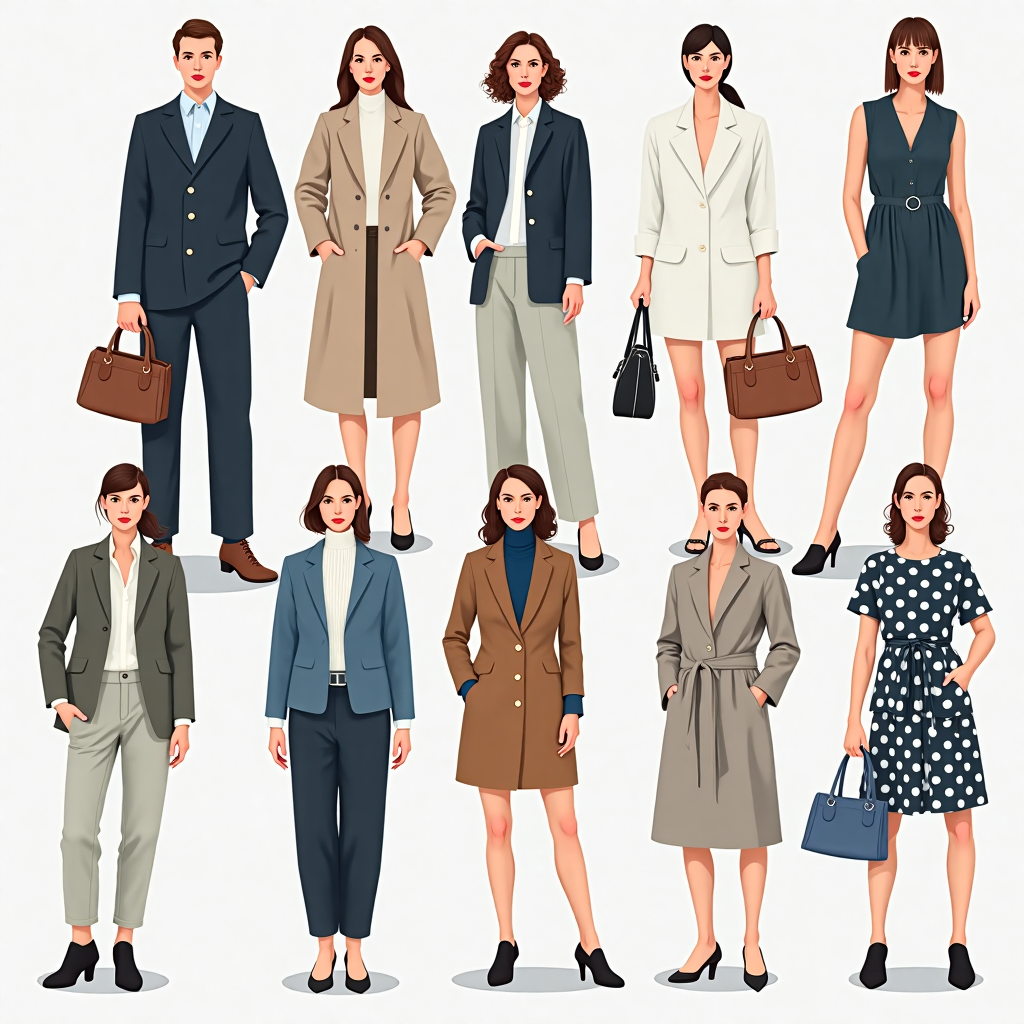
For decades, the fashion industry has trained us to believe that more is always better. More trends, more shopping trips, more pieces in the closet, and more outfits to choose from every morning. Yet if you have ever stood in front of an overflowing wardrobe and whispered, “I have nothing to wear,” you already understand the central paradox of fast fashion. The constant churn of cheap garments does not create a more satisfying relationship with your clothes. It creates clutter, decision fatigue, and a lingering sense that you are always one purchase away from having a complete style. A capsule wardrobe flips that narrative entirely. By combining the principles of slow fashion, investing in timeless pieces, and calculating the true value of every garment through cost-per-wear, you can build a smaller, smarter, and significantly more satisfying wardrobe. This article explores how these concepts work together and why they offer a powerful alternative to the exhausting cycle of buying, discarding, and buying again.
The Fast Fashion Trap: More Choices, Less Value
Fast fashion is built on speed. Brands that follow this model churn out new styles every week, often inspired by runway looks or viral social media trends. The goal is to get a garment from design to the sales floor as quickly and cheaply as possible. On the surface, it seems like a win for consumers. You can walk into a store or scroll through an app and find a new top for less than the price of a coffee. But the low sticker price is rarely the full story. The real cost is hidden in poor-quality fabrics, rushed construction, and a business model that depends on you coming back again and again.
One of the most destructive side effects of fast fashion is the constant pressure to chase novelty. When trends change every few weeks, the clothes you bought last month can start to feel outdated, even if they are still in perfect condition. This creates a psychological cycle where shopping becomes less about need and more about keeping up. The result is a wardrobe full of pieces that were never designed to last, both physically and stylistically. You may have more items than ever, but very few of them feel genuinely valuable or worth keeping for the long term.
Financially, this model is also deceptive. A $15 shirt may seem like a bargain, but if it loses its shape after three washes or falls apart within a season, you will need to replace it soon. Over the course of a year, you may spend far more on disposable clothing than you would on a smaller number of high-quality items. The constant acquisition of cheap garments also has a well-documented environmental impact. Textile waste, water pollution, and carbon emissions are all accelerated by a system that treats clothing as disposable. Understanding these hidden costs is the first step toward a smarter approach.
The Hidden Costs Behind the Low Price Tag
When you buy a cheap garment, you are paying for more than just the fabric and stitching. You are paying for a system that externalizes many of its true costs. Here are some of the hidden expenses and consequences of fast fashion:
- Poor fabric quality: Many fast fashion items are made from synthetic fibers or low-grade cotton that pills, fades, and stretches quickly.
- Weak construction: Loose threads, uneven seams, and cheap zippers mean the garment often fails after only a few wears.
- Environmental damage: The production of cheap clothing consumes enormous amounts of water, releases microplastics, and contributes to massive textile waste in landfills.
- Unfair labor practices: To keep prices low, many fast fashion brands rely on supply chains with poor working conditions and low wages.
- Psychological clutter: An overflowing closet of disposable items makes it harder to choose an outfit, increases stress, and reduces the satisfaction you feel from your clothes.
Recognizing these hidden costs makes it clear that the true price of fast fashion is often much higher than the number on the tag. This is where slow fashion and a capsule wardrobe offer a meaningful alternative.
Slow Fashion: A Philosophy, Not a Trend
Slow fashion is a direct response to the speed and waste of the mainstream fashion industry. It encourages consumers to buy less, choose well, and make garments last. The movement is not about following a particular aesthetic or wearing only neutral colors. It is about shifting your mindset from quantity to quality and from impulse to intention. Slow fashion asks you to think about where your clothes come from, who made them, what they are made of, and how long they will remain useful and beautiful in your life.
At its core, slow fashion values transparency, craftsmanship, and durability. A slow fashion brand may produce fewer collections each year, often focusing on classic designs rather than seasonal trends. The fabrics are chosen for longevity, comfort, and environmental impact. The construction is deliberate, with reinforced seams, natural fibers, and attention to detail. While the upfront price of a slow fashion garment is usually higher, the true value emerges over time. Instead of wearing something three times and throwing it away, you may wear it thirty, sixty, or more than one hundred times.
Core Principles of Slow Fashion
Adopting a slow fashion mindset involves more than just changing where you shop. It is a set of principles that guide how you think about clothing:
- Buy less and choose well: Prioritize a smaller number of high-quality pieces over a large quantity of cheap ones.
- Value longevity over trends: Look for garments that will remain relevant and wearable for years, not just weeks.
- Support ethical production: Whenever possible, buy from brands that pay fair wages and use environmentally responsible processes.
- Care for your clothes: Wash less frequently, use gentle cycles, repair minor damage, and store items properly to extend their life.
- Embrace personal style: Develop a strong sense of what you actually like to wear instead of relying on what is currently popular.
These principles naturally lead to the concept of a capsule wardrobe, because once you stop chasing every trend, you start to see the value in a carefully chosen collection of pieces that all work together.
What Is a Capsule Wardrobe?
A capsule wardrobe is a curated collection of clothing that is designed to be versatile, cohesive, and functional. The idea is to own fewer items overall, but to love and use every single piece. Rather than having dozens of tops that rarely see the light of day, a capsule wardrobe contains a limited number of high-quality garments that can be mixed and matched to create many different outfits. The exact number of items varies from person to person, but the guiding principle is the same: every piece earns its place by being useful, flattering, and aligned with your personal style.
The concept of a capsule wardrobe has been around for decades, but it has gained new relevance in an era of wardrobe overwhelm. Many people find that reducing their clothing options leads to less stress in the morning, fewer impulse purchases, and a clearer sense of personal identity. Instead of being influenced by every trend that appears on social media, you learn to trust a smaller set of clothes that consistently make you feel good.
Benefits of a Capsule Wardrobe
Building a capsule wardrobe can transform not only your closet but also your relationship with shopping and self-image. Some of the most valuable benefits include:
- Reduced decision fatigue: With fewer items to choose from, getting dressed becomes faster and easier.
- More cohesive outfits: A well-planned capsule ensures that most pieces coordinate well together, increasing your outfit options without increasing the number of items.
- Higher quality garments: Because you are buying fewer pieces, you can allocate more budget to each item and invest in better fabrics and construction.
- Less clutter: A smaller wardrobe means a tidier closet, which can lower stress and improve your daily routine.
- Clearer personal style: A capsule encourages you to define what you actually like instead of being pulled in every direction by trends.
- Environmental benefits: Buying fewer, higher-quality clothes reduces textile waste and the demand for disposable fashion.
While the benefits are clear, building a successful capsule wardrobe requires a shift in how you evaluate clothing. This is where timeless pieces and cost-per-wear become essential tools.
Timeless Pieces: The Foundation of a Capsule Wardrobe
Timeless pieces are garments that do not depend on a specific trend or season to look good. They are characterized by classic silhouettes, versatile colors, and enduring appeal. A well-made white button-down shirt, a tailored blazer, a pair of straight-leg jeans, or a simple black dress can be worn year after year without ever looking dated. These pieces are the backbone of a capsule wardrobe because they provide a stable foundation that can be adapted with accessories, layering, and seasonal accents.
Choosing timeless pieces is not about being boring or giving up on self-expression. In fact, it is the opposite. When your wardrobe is built on classic, well-fitting garments, you have more freedom to add personality through a few carefully selected statement pieces. The difference is that the core of your closet remains reliable, while the accents can evolve as your taste changes. This prevents the all-too-common experience of feeling like your entire wardrobe is suddenly out of style.
Essential Timeless Pieces to Consider
The exact list of timeless pieces will vary depending on your lifestyle, climate, and personal style. However, these items are widely considered to be versatile staples for many wardrobes:
- A classic white button-down shirt: Wear it with trousers, jeans, skirts, or layered under sweaters.
- A well-tailored blazer: Instantly elevates casual outfits and works for professional settings.
- A pair of straight-leg or slim-fit jeans: A dark wash with minimal distressing is endlessly versatile.
- A simple black dress: Suitable for work, evenings, and events with the right accessories.
- A quality trench coat or wool overcoat: A timeless outer layer that works across seasons.
- A crewneck or V-neck sweater in a neutral color: Comfortable, layerable, and never out of style.
- A pair of tailored trousers: Ideal for the office and easy to dress down with sneakers or flats.
- A white or neutral t-shirt made from high-quality cotton: The ultimate layering essential.
- Classic leather shoes: Loafers, ankle boots, or simple white sneakers can anchor many outfits.
- A structured leather bag: A durable, neutral bag that ages well and complements almost any look.
Investing in timeless pieces does not mean every item must be expensive or designer. The key is to look for quality materials, flattering cuts, and colors that suit your existing wardrobe. When you choose pieces that transcend trends, you set yourself up to benefit from a smart financial concept known as cost-per-wear.
Cost-Per-Wear: The Smart Way to Measure Value
Cost-per-wear is a simple formula that reveals the true value of a garment over time. Instead of judging an item solely by its price tag, you divide the purchase price by the number of times you expect to wear it. A $200 pair of boots that you wear 100 times has a cost-per-wear of $2. A $20 pair of boots that falls apart after five wears has a cost-per-wear of $4. In this scenario, the “cheaper” boots actually cost you more per use.
This way of thinking is transformative because it shifts your focus from the immediate feeling of getting a bargain to the long-term value of a purchase. When you calculate cost-per-wear, you start to see that quality items are often the smartest financial choice, even if they require a larger upfront investment. You also become more mindful about buying items that you will genuinely wear often, rather than pieces that are only exciting for a moment.
How to Calculate Cost-Per-Wear
The formula for cost-per-wear is straightforward:
Cost-per-wear = Total purchase price ÷ Estimated number of wears
For example, imagine you are considering a high-quality wool coat that costs $300. If you live in a cool climate and expect to wear the coat 60 times per year for at least five years, that is 300 wears. Your cost-per-wear would be $1.00. Now imagine a trendy jacket for $60 that you wear five times before it goes out of style or begins to show wear. Its cost-per-wear is $12.00. The expensive coat is actually twelve times more economical per wear than the cheap jacket.
Using cost-per-wear as a decision-making tool can help you avoid common shopping mistakes. It encourages you to prioritize items that fit well, feel good, and work with the rest of your wardrobe, because those are the pieces you will reach for again and again. It also makes it easier to justify investing in high-quality timeless pieces that may have a higher price tag but deliver far greater long-term value.
- Be honest about how often you will wear it: A formal gown may have a high price tag and a low number of wears, making it less cost-effective unless you attend many formal events.
- Consider the lifespan of the garment: Quality items made from durable materials can last for many years, reducing their cost per wear dramatically.
- Factor in maintenance costs: Dry cleaning, repairs, and special care can add to the total cost of ownership, so choose pieces that are practical for your lifestyle.
- Remember that versatility increases value: A neutral, well-fitting item that works with many outfits will naturally achieve a lower cost per wear.
When you combine cost-per-wear with the philosophy of slow fashion and the structure of a capsule wardrobe, you create a powerful system for building a wardrobe that works for you rather than against you.
Building Your Capsule Wardrobe: A Step-by-Step Guide
Transitioning from a closet full of fast fashion to a streamlined capsule wardrobe does not happen overnight. It is a process that requires patience, honesty, and a willingness to let go of items that no longer serve you. The good news is that you do not need to throw everything away at once. A gradual, thoughtful approach is often more sustainable and less overwhelming.
Step One: Assess What You Already Own
Begin by taking everything out of your closet and evaluating each item. Ask yourself whether you have worn it in the past year, whether it fits well, whether it is in good condition, and whether it aligns with the style you want to cultivate. Be honest. If you are holding onto something simply because you feel guilty about the money you spent, remember that the money is already gone. Keeping an unworn garment does not recover that expense; it only adds to your clutter and stress. Set aside the pieces you truly love and wear regularly, and separate the rest for donation, resale, or responsible recycling.
Step Two: Define Your Personal Style and Lifestyle
A capsule wardrobe should reflect your real life, not an idealized version of it. Consider your daily activities, your workplace dress code, your climate, and the colors and silhouettes that make you feel confident. Create a simple list of the kinds of outfits you need most often. If you work in a corporate office, tailored trousers and blazers will be more useful than five sundresses. If you work from home, comfortable but polished knits and quality denim may be your staples. Defining your lifestyle helps you choose timeless pieces that will actually earn a low cost-per-wear.
Step Three: Invest in Timeless Pieces First
Once you have a clear picture of what you need, start building your capsule around high-quality timeless pieces. Focus on the essentials that form the foundation of your wardrobe, such as a great pair of jeans, a classic shirt, a versatile dress, and a durable coat. Choose neutral colors that coordinate well together, and pay close attention to fit and fabric. This is where the cost-per-wear principle becomes especially valuable, because a slightly higher upfront cost is often justified by years of regular use.
Step Four: Maintain and Care for Your Clothes
Building a capsule wardrobe is only half the battle. To truly embrace slow fashion, you must care for your clothes in a way that extends their life. Wash items less frequently, use cold water and gentle detergents, air dry when possible, and store garments properly. Learn basic repairs, such as sewing on a button or fixing a small tear. When you treat your timeless pieces with respect, they reward you with years of reliable wear.
Overcoming Common Obstacles
Even when you understand the benefits of a capsule wardrobe, slow fashion, and cost-per-wear, making the transition can be challenging. Social pressure, marketing, and deeply ingrained shopping habits can pull you back toward fast fashion. Recognizing these obstacles can help you stay on track.
- Fear of repeating outfits: Many people worry that wearing the same clothes often will be noticed or judged. In reality, most people do not track your outfit history, and a cohesive personal style is often admired.
- The lure of sales and trends: Discounts and limited-time offers are designed to trigger impulse purchases. Before buying, ask yourself whether the item fits your capsule and whether you would buy it at full price.
- Emotional attachment to clothes: Letting go of items with sentimental value can be difficult. Consider keeping a small number of truly meaningful pieces, but remember that memories live in you, not in the fabric.
- Impatience: Building a high-quality capsule wardrobe takes time. It is better to add one well-chosen item every few months than to rush and fill your closet with more cheap pieces.
- Limited access to ethical brands: Not everyone has easy access to slow fashion labels. Focus on buying less overall, shopping secondhand, and choosing the highest quality you can afford wherever you are.
These challenges are normal, and moving through them is part of the shift from a consumer mindset to a curator mindset. Each time you resist an impulse purchase or choose a durable garment over a disposable one, you strengthen the habits that make a capsule wardrobe work.
The Environmental and Personal Rewards
Embracing slow fashion and a capsule wardrobe does more than simplify your morning routine. It also has a meaningful impact on the planet. The fashion industry is one of the largest polluters in the world, and the demand for fast fashion accelerates textile waste, water consumption, and carbon emissions. By choosing fewer, higher-quality garments and wearing them for longer, you reduce your personal contribution to that cycle. Every timeless piece you keep for five or ten years is one less item in a landfill and one less purchase driving environmentally harmful production.
On a personal level, the rewards are equally profound. A curated closet filled with clothes you love reduces stress and increases confidence. You stop feeling like you are falling behind trends and start feeling like your wardrobe genuinely represents who you are. There is a quiet joy in owning a handful of pieces that fit beautifully, feel comfortable, and have earned their place through years of use. The cost-per-wear mindset helps you make peace with spending more on occasion, because you understand that value is measured not in the moment of purchase but in the hundreds of small moments when you reach for a beloved garment.
Conclusion
The shift away from fast fashion toward a capsule wardrobe grounded in slow fashion, timeless pieces, and cost-per-wear is not about deprivation. It is about replacing mindless consumption with intentional choice. It is about building a closet that supports your life, your budget, and your values instead of one that overwhelms you with options that do not last. When you start to evaluate clothing by how often you will wear it and how long it will remain beautiful, the entire shopping experience changes. You become a curator rather than a collector.
This approach does not require perfection. You do not need to discard every fast fashion item you own overnight or spend a fortune on designer staples. The goal is to move gradually toward a wardrobe that reflects thoughtfulness, quality, and personal style. Every small step counts, whether it is repairing a beloved sweater, choosing a well-made coat over three cheap jackets, or simply pausing before an impulse purchase to calculate its true cost-per-wear. Over time, these decisions accumulate into a wardrobe that feels effortless, sustainable, and deeply satisfying. In a world that constantly pushes us to want more, a capsule wardrobe invites us to want better.
Leave a Reply