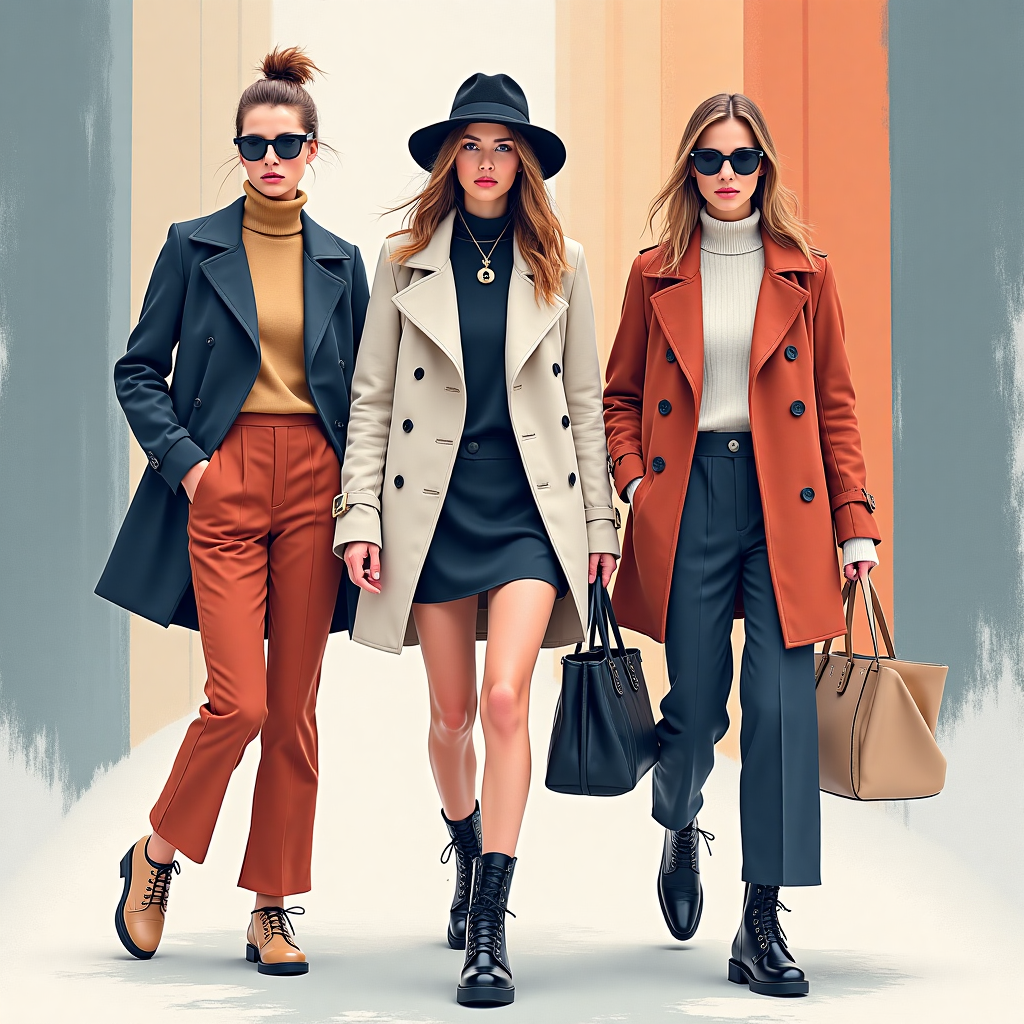
Every season, the fashion industry presents a new visual language. Runway shows in Paris, Milan, New York, and London set the tone, but the true test of any trend happens when it reaches the pavement. Street style has become the most honest and immediate translation of high fashion, turning abstract editorial concepts into wearable, everyday expressions. Understanding how runway trends filter into street style requires more than just following a single aesthetic. It demands an awareness of the seasonal color palette, the discipline of layering, and a sharp eye for silhouette. These four elements work together to create looks that feel current, intentional, and deeply personal.
For anyone building a wardrobe that responds to both the runway and the reality of daily life, the goal is not to imitate every look. The goal is to extract the underlying structure of a trend and adapt it to your own body, climate, and personality. A runway coat may be exaggerated in proportion, but its silhouette can be softened for the street. A seasonal color palette may be presented in monochrome head-to-toe runway looks, but it can be integrated through a single accessory or a layered knit. This article breaks down how to approach these four pillars of style with the eye of an editor and the practicality of a street style photographer.
The Symbiotic Relationship Between Street Style and Runway Trends
Runway trends have always influenced the way people dress, but the relationship is no longer top-down. In the past, designers dictated trends and consumers followed months later through department store buys. Today, street style feeds the runway as much as the runway feeds the street. Fashion editors, influencers, and everyday style enthusiasts are photographed outside shows, and their outfits often generate more engagement than the collections themselves. This two-way exchange means that a trend is only fully realized when it is interpreted by real people in real urban environments.
For example, a designer may show an oversized blazer with sharp shoulders on the runway. The street style interpretation may pair that blazer with relaxed denim, a fitted turtleneck, and sneakers. The core idea—silhouette—remains, but the translation is more approachable. Similarly, a runway look may feature a head-to-toe burgundy ensemble, but on the street, that same seasonal color palette can appear as a burgundy leather bag, a merino wool scarf, or a pair of polished loafers. The key is to identify the central message of a trend, then adapt it without losing its essence.
Social media has accelerated this process. A runway show happens at 2 p.m. in Milan, and by 6 p.m. street style interpretations are circulating globally. This instant feedback loop makes fashion more democratic but also more demanding. To stay current, you do not need to buy a new wardrobe each season. Instead, you need to understand how to remix existing pieces with new color accents, updated layering techniques, and fresh silhouette combinations. That is the true skill behind modern personal style.
Mastering the Seasonal Color Palette
A seasonal color palette is more than a list of trendy shades. It is a framework that reflects the mood, light, and texture of a particular time of year. Spring palettes often lean into soft pastels, fresh greens, and sky blues. Summer may introduce vibrant citrus tones, crisp whites, and nautical navy. Autumn brings warm rusts, deep olives, caramel browns, and burgundy. Winter often shifts toward charcoal, icy grays, jewel tones, and midnight blues. Understanding these shifts allows you to build outfits that feel harmonious with the environment, not disconnected from it.
While each season has its own palette, the modern approach is not rigid. Designers frequently blur seasonal boundaries by showing dark tones in spring or pastel shades in winter. Street style embraces this fluidity. A winter palette may incorporate a pale lilac knit as a layering piece under a charcoal topcoat. A spring look may feature a deep chocolate leather jacket paired with a light blue shirting. The goal is to use the seasonal palette as a starting point, not a rulebook. The strongest looks often come from unexpected color combinations that still respect the overall tonal mood.
How to Incorporate the Seasonal Color Palette
Instead of overhauling your entire wardrobe each season, focus on strategic additions. A seasonal color palette can be introduced through small but high-impact pieces. Consider the following approach:
- Accessories: A scarf, beanie, belt, or bag in a seasonal shade can update a neutral outfit instantly.
- Knitwear: Sweaters and cardigans are perfect for introducing color because they are often layered against other tones.
- Footwear: A pair of shoes in an unexpected seasonal hue can anchor an entire look.
- Outerwear: A coat or jacket in a trend-forward color makes the biggest statement with the least effort.
When building with a seasonal palette, pay attention to undertones. Warm palettes with terracotta, mustard, and cream create a cozy, approachable feel. Cool palettes with slate blue, lavender, and silver feel crisp and modern. You can mix warm and cool tones, but the key is balance. A warm camel coat over a cool gray sweater works because both are muted and sophisticated. A bright orange bag with a pastel blue dress can feel jarring unless the rest of the outfit is intentionally neutral. Color is a tool of communication—use it to direct attention and express mood.
The Art of Layering: Function Meets Form
Layering is the most practical and creative styling technique available. It allows you to adapt to changing temperatures, add visual depth, and combine multiple trends without overwhelming the eye. On the runway, layering is often exaggerated—sheer dresses over trousers, multiple coats stacked, or shirts tied over sweaters. Street style refines these ideas into wearable combinations that still feel dynamic. The secret to successful layering is not piling on as many pieces as possible, but rather understanding how different fabrics, lengths, and weights interact.
Start with a thin base layer, such as a fitted cotton T-shirt or a silk blouse. Add a mid-layer like a fine-gauge knit, a denim jacket, or a tailored waistcoat. Finish with an outer layer such as a trench coat, a leather jacket, or an oversized blazer. This three-layer system works for nearly every climate and body type. The base provides comfort and cleanliness, the mid-layer adds warmth and texture, and the outer layer defines the overall silhouette. By changing any one of these layers, you can shift the entire look from casual to formal, from spring to winter, or from minimal to maximal.
Layering Principles for Effortless Style
- Mix textures: Pair smooth silk with chunky wool, or crisp cotton with soft cashmere. Texture contrast adds richness without needing bold color.
- Play with lengths: Let a longer hemline peek out from under a shorter jacket. This creates vertical movement and elongates the body.
- Respect proportion: If one layer is voluminous, keep the others more fitted. An oversized coat over a slim base looks intentional; oversized everything can look sloppy.
- Use collars and necklines: A collared shirt under a crewneck sweater is a classic layering trick that adds structure and polish.
- Consider translucency: Sheer layers, such as a mesh top under a blazer or a translucent raincoat over a knit, bring a modern runway energy to street style.
Layering also allows you to wear pieces from different seasons together. A summer slip dress can be layered over a long-sleeve turtleneck for winter. A spring trench coat can be thrown over a chunky knit for early fall. This versatility extends the life of your wardrobe and reduces the need for constant new purchases. Layering is not just about staying warm—it is about creating new combinations from the pieces you already own.
Silhouette: The Architectural Foundation of Your Wardrobe
Silhouette refers to the overall shape created by your clothing when viewed as a whole. It is the first thing people notice, often before color or detail. Runway trends frequently revolve around silhouette shifts—moving from skinny to wide, from cropped to elongated, or from structured to fluid. Street style interprets these shifts in ways that flatter a variety of body types and lifestyles. Understanding silhouette is essential because it determines how an outfit balances, moves, and photographs.
There are several core silhouettes that recur in fashion. The A-line silhouette is narrow at the shoulders and widens toward the hem, creating a flattering, classic shape. The column silhouette is straight and narrow from shoulders to hem, lending a sleek, modern line. The oversized silhouette uses exaggerated volume throughout, which can feel avant-garde but must be balanced carefully. The hourglass silhouette emphasizes the waist through belting or tailoring. Each silhouette communicates a different message: A-line feels feminine and graceful, column feels minimal and chic, oversized feels fashion-forward and relaxed, hourglass feels confident and classic.
Street style often mixes silhouettes within a single outfit. A fitted top paired with wide-leg trousers creates an inverted triangle-like balance. An oversized blazer worn over a slim midi dress combines volume with restraint. The key is to create a deliberate shape rather than letting clothes hang randomly. Pay attention to where volume sits. If your bottom half is wide, keep the top more streamlined. If your shoulders are broad, avoid adding too much bulk on top. The best street style looks are not necessarily the most experimental; they are the most intentional.
Key Silhouettes to Watch This Season
- Relaxed Tailoring: Oversized blazers, slouchy trousers, and soft-shouldered coats create an easy but polished silhouette.
- Volume Sleeves: Puff, bishop, and balloon sleeves add drama to an otherwise simple look, especially when paired with sleek bottoms.
- Fluid Midi Lengths: Dresses and skirts that hit below the knee and above the ankle create a graceful, modern column or A-line.
- Cropped Proportions: Cropped jackets, boxy shirts, and high-waisted pants shift the waistline and elongate the legs.
- Sculptural Outerwear: Coats with strong shoulders, cocoon shapes, or architectural lines function as the defining element of an outfit.
Choosing a silhouette is also about comfort and authenticity. A trend may favor extremely wide trousers, but if you feel lost in them, try a slightly tapered wide-leg instead. The goal is to honor the spirit of the trend while staying true to your own proportions. When silhouette, color, and layering align, the result is a look that feels cohesive from every angle—exactly the kind of outfit street style photographers love to capture.
Building a Cohesive Look: Combining Color, Layers, and Silhouette
The most successful street style looks are not about wearing the most expensive pieces or the most obvious logos. They are about creating harmony between runway trends, seasonal color palette, layering, and silhouette. Start with a silhouette as your foundation. Decide whether you want a relaxed, oversized feel or a sharp, tailored line. Then choose a color story based on the season and your mood. Finally, build layers that add depth without destroying the silhouette you established.
For example, imagine a fall outfit. The seasonal palette suggests deep olive, warm camel, and burgundy. You choose a relaxed tailored silhouette: a camel oversized blazer, olive wide-leg trousers, and a fitted burgundy turtleneck. The layering comes from a thin white T-shirt under the turtleneck, or a lightweight scarf tucked into the blazer. Each piece respects the color story and the silhouette. The result is a look that could walk off a runway editorial but feels completely at home on a city street. That is the essence of modern style.
Another example for spring: a fluid midi dress in a soft lavender shade becomes the silhouette anchor. You layer a lightweight white shirt underneath or a cropped denim jacket on top. A pair of cream sneakers keeps the look grounded. The seasonal color palette—lavender, white, cream—feels fresh and airy. The silhouette remains fluid and feminine, while the layers add street style credibility. The key is that every choice is connected. No piece is random. No color fights another. No layer disrupts the line.
This approach also makes getting dressed easier. Instead of standing in front of your closet wondering what to wear, you can mentally scroll through these four categories. What silhouette do I want today? What colors feel right for the season and my mood? What layers will keep me comfortable and add interest? How do the pieces work together as a whole? Answering these questions transforms fashion from a passive consumption of trends into an active, creative practice.
Conclusion: The Personal Runway
Fashion is at its most exciting when the runway meets the street. Runway trends give us new ideas, but street style gives those ideas a heartbeat. The seasonal color palette connects us to the world outside our windows. Layering gives us the practicality and creativity to adapt. Silhouette gives every outfit its shape and intention. Together, these four elements form a complete language of personal style—one that is constantly evolving, endlessly expressive, and deeply individual.
You do not need a front-row seat to participate. You only need to look at your own wardrobe with fresh eyes. Notice the silhouettes you are naturally drawn to. Identify the seasonal colors that make you feel most like yourself. Experiment with layers you have never combined before. Then step outside with confidence, because the street is the most honest runway there is.
Leave a Reply