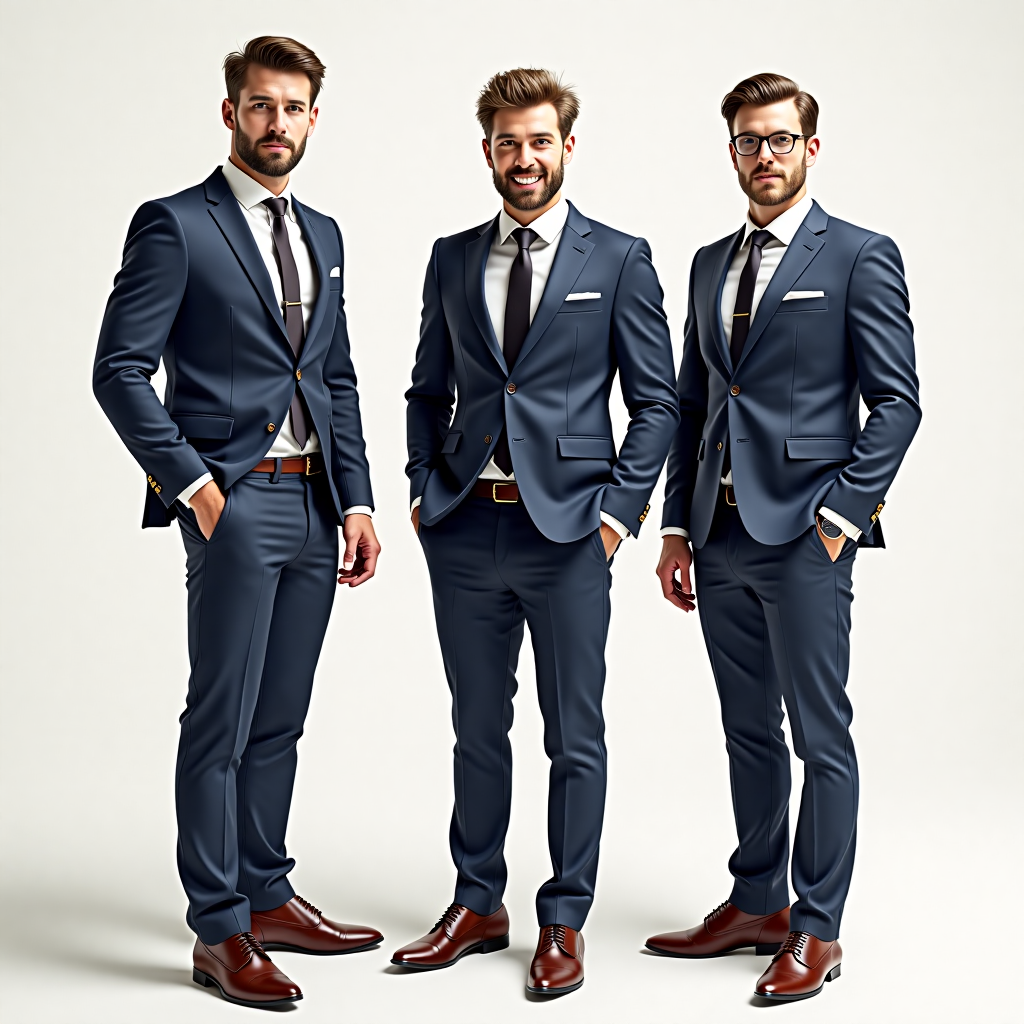
If you have ever stared at an invitation that reads “smart casual” and felt a wave of confusion wash over you, you are not alone. Smart casual is arguably the most misunderstood dress code in menswear. It sits in the grey area between a full suit and weekend loungewear, and getting it wrong can make you feel either painfully overdressed or sloppily underprepared. However, once you understand the fundamental principles behind this versatile style, it becomes the most powerful tool in your wardrobe. This guide will break down exactly what smart casual means, the essential pieces you need, how to combine them, and the common mistakes you must avoid.
The beauty of smart casual is its flexibility. Unlike formal business attire, which is rigid and rule-based, smart casual allows for personality, texture, and comfort. It is the uniform of the modern professional who works in a creative office, the guest at a dinner party, or the man on a date who wants to look like he tried without looking like he tried too hard. The goal is to look polished and put-together, but not stiff. You want to project confidence and approachability simultaneously. To achieve this, you need to master the art of contrast: pairing structured garments with relaxed ones, and dressy fabrics with casual textures.
In this comprehensive article, we will walk you through the philosophy of smart casual, the specific items you should invest in, and how to build a rotation of outfits that will serve you in almost any social or professional setting. We will address everything from footwear and trousers to layering and color palettes. By the time you finish reading, you will possess the knowledge to navigate the smart casual dress code with ease and elegance. Let’s dive into the definitive guide to mastering men’s smart casual style.
Understanding the Smart Casual Spectrum
Before we get into the specifics of what to buy, it is crucial to understand that smart casual is not a single uniform; it is a spectrum. On one end, you have “business casual,” which leans more towards tailored trousers and crisp button-down shirts. On the other end, you have “true casual,” which involves jeans and t-shirts. Smart casual sits directly in the middle. The key to navigating this spectrum is context. A smart casual outfit for a tech startup office on a Friday will look different from a smart casual outfit worn to a wedding rehearsal dinner or an upscale cocktail bar. You must always consider the venue, the time of day, and the company you are keeping.
Think of smart casual as a balancing act. If you are wearing a pair of dark, well-fitted denim jeans (a casual staple), you should pair them with a more refined top, such as a tailored blazer or a merino wool sweater. Conversely, if you are wearing tailored chinos (a dressy item), you can afford to wear a more relaxed top, like a high-quality polo or an Oxford cloth button-down with the sleeves rolled up. The goal is to ensure that at least half of your outfit leans “smart,” while the other half leans “casual.” This creates a harmonious tension that defines the aesthetic.
Furthermore, fabric choice plays a monumental role in determining where an outfit falls on the smart casual spectrum. Cotton, linen, and denim are inherently casual fabrics. Wool, cashmere, and silk are inherently formal. To achieve the smart casual sweet spot, you should mix these materials. A soft, unstructured cotton blazer is a perfect smart casual garment because it has the shape of a formal jacket but the breathability and texture of a casual shirt. Similarly, a pair of wool trousers with a t-shirt and minimalist sneakers can look incredibly chic without feeling stuffy. Understanding this interplay of fabrics allows you to manipulate the formality of your outfit with precision.
Building the Foundation: The Essential Wardrobe
To build a successful smart casual wardrobe, you need a solid foundation of versatile pieces. You do not need a massive closet full of clothes; you need the right clothes that can be mixed and matched. Here are the non-negotiables that should form the backbone of your smart casual rotation.
The Tailored Blazer (Unstructured or Soft Shouldered)
A blazer is the single most transformative garment in the smart casual world. It instantly elevates jeans, chinos, and even tailored shorts. However, for smart casual purposes, you should avoid heavily structured, pinstriped suit jackets. Instead, look for a soft-shouldered blazer or an unstructured jacket in a textured fabric like hopsack wool, cotton, or a wool-linen blend. Navy is the ultimate starting point because it matches almost everything. A navy blazer over a t-shirt, paired with grey trousers and white sneakers, is the quintessential modern smart casual look. If you already have navy, consider adding a neutral earth tone like beige, olive, or charcoal to your collection.
The Versatile Knitwear
Knitwear is the lifeblood of smart casual style, especially in autumn and winter. A fine-gauge merino wool sweater or a cashmere crewneck offers a level of refinement that a hoodie simply cannot match, while remaining extremely comfortable. The crewneck is the most versatile option, as it can be worn on its own, over a t-shirt, or under a blazer. For a slightly more polished look, consider a V-neck sweater layered over a button-down shirt. Cardigans and turtlenecks also have a place in the smart casual aesthetic, adding depth and sophistication to your layering game.
The Perfect Trousers: Chinos and Beyond
Chinos are the gold standard for smart casual trousers. They are smarter than jeans but more relaxed than dress slacks. When choosing chinos, pay close attention to the fit. They should be slim or straight cut, with a slight taper. Avoid anything too baggy or too skinny. The most versatile colors are khaki, navy, and grey. These three colors will pair with almost any shirt or jacket you own. In addition to chinos, consider investing in a pair of tailored wool trousers. A pair of grey flannel or charcoal wool trousers can be dressed down with a t-shirt and sneakers or dressed up with a blazer and dress shoes, making them incredibly versatile.
The Quality Denim
While denim is inherently casual, it has a firm place in the smart casual rotation. The key is choosing the right pair. You should avoid distressed, ripped, or heavily faded jeans. Instead, invest in raw or dark-wash selvedge denim in a slim or straight fit. Dark indigo jeans look almost as sharp as trousers from a distance, but they carry a relaxed attitude. You can pair dark denim with a blazer, a crisp white shirt, and leather loafers for a classic “dressed up” casual outfit. Never wear light wash or acid wash jeans to a smart casual event; save those for strictly casual weekends.
The Essential Shirts
Your shirt selection is where you can inject personality. The Oxford cloth button-down (OCBD) is the cornerstone of the smart casual shirt collection. Its textured fabric is less shiny than a poplin dress shirt, making it perfect for wearing without a tie. White and light blue are essential, but pink, lavender, and stripes also work beautifully. Beyond the OCBD, you should own a few high-quality plain t-shirts. A well-fitting crewneck t-shirt in white, grey, or navy acts as a perfect base layer under a blazer. The key here is quality: look for thick, substantial cotton that holds its shape and doesn’t look like an undershirt.
Footwear: The Foundation of Your Outfit
Many style experts say that shoes make the man, and this is especially true in smart casual dressing. Shoes can anchor an outfit and dictate its overall vibe. You need a small rotation of shoes that bridge the gap between formal and casual.
Leather Loafers and Derbies
Leather shoes are essential for the “smart” side of smart casual. However, you want to avoid high-shine Oxford shoes, which are strictly formal. Instead, opt for penny loafers, tassel loafers, or Derby shoes. Suede is an excellent material for these shoes, as it has a soft, textured appearance that pairs perfectly with denim and chinos. A brown suede loafer is arguably the most versatile shoe in a smart casual wardrobe. It looks great with everything from tailored trousers to rolled-up chinos.
Minimalist Sneakers
Leather sneakers have become a staple of modern menswear. To keep them smart casual, they must be clean, minimalist, and high-quality. Think classic white leather sneakers, like Common Projects, Axel Arigato, or similar simple silhouettes from brands like Veja or Adidas (Stan Smiths). These shoes provide comfort and a contemporary edge. They work best when paired with dark denim or chinos and a blazer. Steering clear of chunky athletic running shoes is crucial; those are for the gym or pure streetwear.
Leather Boots
For the colder months, a good pair of leather boots is indispensable. Chelsea boots or Chukka boots in brown or black leather or suede bridge the gap perfectly between rugged and refined. They look fantastic with dark denim, wool trousers, and thick knitwear. They provide a more substantial silhouette than loafers or sneakers and add a touch of masculine edge to your outfit.
Mastering Color and Coordination
Color coordination in smart casual dressing often follows a principle of earthy neutrals and muted tones. While you can certainly inject pops of color, the foundation of your outfit should be based on colors that work together seamlessly. This makes getting dressed easier and ensures you always look cohesive.
The Earthy Palette
Your smart casual base should consist of navy, grey, white, beige, olive, and burgundy. These colors complement each other beautifully. For example, a navy blazer, a grey t-shirt, and beige chinos is a foolproof combination. Olive trousers pair perfectly with a white shirt and a brown suede jacket. Burgundy knitwear adds a rich layer of texture to dark denim. By sticking to these muted, earthy tones, you create a wardrobe where almost every item can be worn with every other item.
Using Texture for Depth
Because smart casual outfits often rely on a limited color palette, texture becomes incredibly important to prevent the outfit from looking flat. Mixing fabrics like wool, cotton, suede, and leather adds visual interest. Imagine an outfit consisting entirely of smooth cotton: a blue cotton shirt, blue cotton chinos, and blue canvas shoes. It looks boring. Now imagine the same colors but with a chunky knit wool sweater, brushed cotton chinos, and a suede loafer. The difference is night and day. Incorporating texture through your knitwear, trousers, and footwear is a hallmark of a truly stylish man.
Common Smart Casual Mistakes to Avoid
Even with the right pieces, it is easy to fall into traps that ruin an otherwise good outfit. By being aware of these common pitfalls, you can ensure you always hit the mark.
Wearing Ill-Fitting Clothes
The single most important rule in any dress code is fit. A $50 shirt that fits perfectly will always look better than a $500 shirt that is too baggy or too tight. Smart casual is about looking sharp, and sharpness comes from tailoring. Ensure your trousers break cleanly at the shoe, your shoulder seams hit exactly at the edge of your shoulder, and your sleeves are the right length. Do not be afraid to visit a tailor to have your chinos or blazers adjusted. It is the best investment you can make in your appearance.
Athleisure Creep
Smart casual is not “sporty.” While sneakers are allowed, they must be leather and minimalist, not running shoes. Joggers, hoodies, basketball shorts, and performance fabrics do not belong in a smart casual outfit. Even in a relaxed office, wearing athleisure where smart casual is expected signals a lack of respect or effort. Keep your gym clothes in your gym bag. The exception is a high-quality, simple zip-up jacket or a well-cut pair of chino-style joggers (often called “travel trousers” or “commuter pants”), but these are risky and should be approached with caution.
Going Too Formal
Just as it is bad to be too casual, it is awkward to be too formal. Wearing a full suit and tie to an event that calls for smart casual will make you look like you are at a board meeting, not a social gathering. Generally, smart casual means no tie. It also often means avoiding stiff, shiny dress shirts and high-polish business shoes. If you choose to wear a blazer and trousers, make sure they are not a matching suit. The contrast between jacket and trousers is essential to the smart casual aesthetic.
Ignoring Grooming and Details
Your outfit extends beyond your clothes. Smart casual style is ruined by unkempt hair, scruffy facial hair, or dirty fingernails. You should look clean and polished. Additionally, accessories can elevate your look. A quality leather belt that matches your shoes, a minimalist watch, and perhaps a simple bracelet or ring can add a layer of sophistication. Pay attention to the details: ensure your shirt is ironed (or steamed), your shoes are clean, and your belt is in good condition. These small touches separate the men who “get it” from those who do not.
Putting It All Together: Outfit Formulas
To make life easier, here are a few reliable outfit formulas you can replicate. These combinations will work in almost any smart casual environment.
The Classic Weekend
- Top: Navy unstructured blazer over a plain white crewneck t-shirt.
- Bottom: Dark wash slim-fit denim jeans.
- Feet: White minimalist leather sneakers.
- Accessories: Brown leather belt, silver watch.
The Creative Office
- Top: Light blue Oxford cloth button-down shirt (sleeves rolled up) under a grey merino wool V-neck sweater.
- Bottom: Beige or stone slim-fit chinos.
- Feet: Brown suede penny loafers (worn with no-show socks).
- Accessories: Minimalist leather backpack or briefcase.
The Evening Dinner Date
- Top: Charcoal or black fine-gauge turtleneck sweater.
- Bottom: Grey tailored wool trousers.
- Feet: Black or dark brown leather Chelsea boots.
- Accessories: A sleek dress watch and a tailored overcoat if the weather requires it.
The Summer Social
- Top: Linen-blend shirt in a light color (white, light blue, or sage green), untucked.
- Bottom: Tailored shorts (chino material, ending just above the knee) or lightweight linen trousers.
- Feet: Suede driving loafers or clean canvas plimsolls (worn with no-show socks).
- Accessories: Sunglasses with a classic frame.
Conclusion
Mastering men’s smart casual style is not about strictly adhering to a complex set of rules; it is about understanding the principles of balance, fit, and fabric. It is the art of looking effortlessly composed. By investing in a curated collection of high-quality basics—a soft-shouldered blazer, quality knitwear, well-fitting chinos, and dark denim—you create a foundation that allows for endless combinations. The key is to remember the golden rule of contrast: pair tailored pieces with relaxed ones, and formal fabrics with casual textures.
Ultimately, smart casual is about confidence. When you know your clothes fit well and the colors complement each other, you can relax and focus on the occasion, whether it is a crucial business lunch or a first date. Avoid the pitfalls of ill-fitting garments, resist the temptation to default to athleisure, and pay attention to your grooming and shoes. If you follow the guidance laid out in this article, you will no longer dread the words “smart casual” on an invitation. Instead, you will see it as an opportunity to showcase your personal style and sophistication.
So, start reviewing your wardrobe today. Identify the gaps, invest in the staples, and practice pairing your pieces. With a little thought and these guidelines in mind, you will not just be dressing smart casual—you will be perfecting it.
Leave a Reply