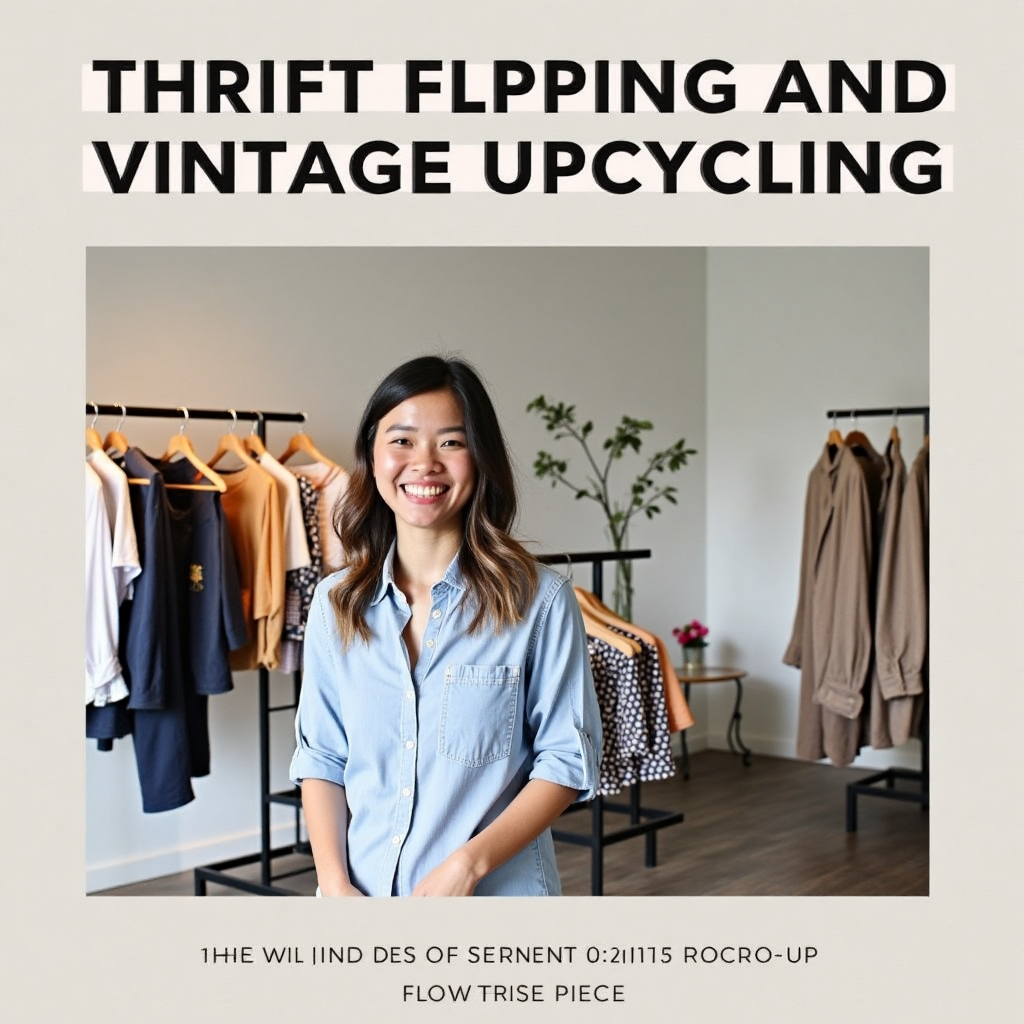
For years, fashion has been caught between two competing desires: the hunger for something fresh and unique, and the need to spend wisely. Thrift flipping has emerged as the perfect bridge between these worlds. It allows you to source vintage and secondhand garments, reimagine them through upcycling, and create a wardrobe that feels deeply personal. But before you race to the nearest charity shop, there is an essential first step that most people skip: the wardrobe audit. When done properly, a wardrobe audit shows you exactly what you own, what you actually wear, and what gaps are worth filling with true investment pieces. This article will guide you through the entire process, from auditing your closet to flipping vintage finds into high-value staples.
Why Thrift Flipping Is More Than a Trend
Thrift flipping is not simply about buying cheap clothes and reselling them for a profit. It is a creative philosophy and a sustainable practice. The modern fashion industry generates enormous waste, with millions of garments ending up in landfills every year. By choosing to thrift and upcycle, you participate in a circular fashion economy that values longevity, creativity, and resourcefulness. Every piece you rescue from a thrift store is a piece that does not need to be manufactured from scratch.
Beyond sustainability, thrift flipping offers a level of individuality that fast fashion cannot match. High street stores mass-produce identical items, meaning you often see your own outfit on a dozen strangers. Vintage and secondhand garments, however, come with their own history, fabric character, and design quirks. When you alter or upcycle a thrifted item, you transform it into a one-of-a-kind piece. That kind of exclusivity is usually reserved for luxury fashion, but thrift flipping makes it accessible to everyone.
The financial benefits are equally compelling. A well-made vintage blazer might cost a fraction of a modern designer equivalent, yet it may be constructed from superior wool, lined with silk, and finished with hand-stitched details. With basic sewing skills or the help of a local tailor, you can adjust that blazer to fit you perfectly. The result is an investment piece that will outlast many cheaper alternatives. In a world where prices continue to rise, learning to spot quality and transform it is a powerful skill.
The First Step: Conducting a Thorough Wardrobe Audit
Before you buy another thrifted item, you need to understand what is already in your closet. A wardrobe audit is a systematic review of every garment you own. It might feel tedious, but it is the foundation of smart thrift flipping. Without an audit, you risk buying more items that duplicate what you already have or that do not match your actual lifestyle. The audit reveals your true style preferences, your most-worn colours, and the gaps that genuinely need filling.
Set aside a few hours for this process. Empty your entire wardrobe onto your bed or a clean floor. Yes, every single item. This visual shock is intentional. Most people underestimate how much they own. Seeing the full pile makes it easier to sort honestly. If the task feels overwhelming, break it into categories: tops, bottoms, outerwear, dresses, shoes, and accessories. Work through each category one at a time.
Step 1: Categorise and Question Every Item
Pick up each piece and ask yourself three questions. First, have I worn this in the last twelve months? If the answer is no, ask why. Was it uncomfortable, outdated, ill-fitting, or simply forgotten? Second, does this item reflect the person I am now, not the person I used to be? Many people hold onto clothes from past jobs, past sizes, or past identities. Those items take up physical and mental space. Third, does this garment make me feel confident and comfortable? If you hesitate on any of these questions, place the item in a designated “maybe” pile.
Step 2: The Four-Pile Method
Once you have evaluated every item, create four distinct piles:
- Keep: Items you wear regularly and love. These are the foundation of your wardrobe.
- Repair/Upcycle: Items with good bones but minor issues, such as missing buttons, loose hems, outdated silhouettes, or faded colour. These are your thrift-flipping candidates.
- Donate/Sell: Items in good condition that no longer serve you. They can be donated to charity shops or sold online to fund future purchases.
- Discard: Items that are stained, torn, or beyond reasonable repair. Recycle textiles if possible.
The Repair/Upcycle pile is where the magic happens. These are pieces you already own that can be transformed into investment pieces with some creativity. A linen shirt with a stain can be dyed a deep indigo. A maxi dress with an outdated hem can be shortened into a modern midi. A boxy blazer can be cinched at the waist. You do not always need to buy new-to-you items to participate in thrift flipping; you can start with what you already have.
Step 3: Identify Your Gaps and Set Intentions
After sorting, look at your “Keep” pile. What is missing? Maybe you have plenty of casual tops but no structured outerwear. Perhaps you own several summer dresses but lack a versatile winter coat. Or you might have a strong collection of neutral basics but no statement pieces. Write down a list of these gaps. This list becomes your thrift-shopping guide. Instead of browsing aimlessly, you will visit thrift stores with clear intentions.
Setting intentions is crucial because thrift stores can be overwhelming. Racks are filled with endless variety, and without a plan, it is easy to fill your cart with items you will never wear. Your gap list keeps you focused. For example, if your audit reveals you need a tailored camel coat, you can search for vintage wool coats in that colour family. If you need a versatile silk blouse, you can scan for quality silk fabric and classic prints. This approach transforms thrift flipping from a hobby into a strategic method for building a wardrobe of investment pieces.
Understanding Vintage and Secondhand Quality
Not all thrifted items are equal. The term vintage typically refers to garments that are at least 20 years old, while secondhand can be anything from last season to decades old. Vintage pieces often offer superior construction, but they may require more careful inspection. When you are thrift flipping, you are looking for garments with good bones: quality fabric, sturdy seams, and timeless cuts. These are the pieces that can be upcycled into long-lasting staples.
The first thing to examine is the fabric. Natural fibres such as wool, silk, cotton, linen, and cashmere are generally better candidates for upcycling than synthetic blends. They dye more evenly, alter more cleanly, and age more gracefully. Rub the fabric between your fingers. Does it feel substantial? Is it pilling excessively? Small signs of wear can be managed, but fabric that is threadbare or sun-damaged is difficult to restore. Check under bright light if possible.
Next, inspect the seams and construction. Turn the garment inside out. Are the seams straight and secure? Are there French seams, bound edges, or other signs of high-end finishing? Look at the buttons, zippers, and other hardware. In older garments, metal zippers and natural buttons are often indicators of quality. Cheap plastic hardware can be replaced, but it may not be worth the effort if the garment itself is poorly made.
Finally, consider the silhouette. Vintage sizing differs greatly from modern sizing, so ignore the label and focus on the actual measurements. Carry a small tape measure when you thrift. Know your body measurements and compare them to the garment. Remember that a vintage garment may have been altered by a previous owner, so check for uneven hems or replaced seams. A garment with generous seam allowances is a dream for upcycling because it gives you more fabric to work with when resizing.
Thrift Flipping Techniques: From Simple Fixes to Bold Transformations
Once you have sourced your vintage or secondhand pieces, it is time to flip them. Upcycling does not have to be complicated. In fact, the most effective thrift flips are often the simplest. The goal is to create a garment that looks intentional and expensive, not crafty or homemade. Focus on clean lines, good fit, and subtle details.
Basic Alterations That Instantly Elevate
The most common reason thrifted clothes are ignored is poor fit. A vintage blazer may have a beautiful fabric but be too wide in the shoulders. A pair of high-waisted trousers may be too long. A dress may gape at the waist. Learning basic alteration skills can completely change how a garment wears. Simple adjustments include:
- Hemming: Shortening trousers, skirts, and dresses to a modern length.
- Tapering: Reducing excess width in the waist, sleeves, or legs for a more streamlined silhouette.
- Taking in seams: Adjusting the side seams of a blazer, shirt, or dress to improve fit.
- Shortening sleeves: Moving from a dated oversized sleeve to a tailored modern fit.
- Replacing buttons: Swapping plastic buttons for horn, shell, or metal buttons instantly upgrades a garment.
If you do not sew, a good tailor is worth the investment. The cost of altering a thrifted wool coat to fit you perfectly is often less than the cost of a new fast-fashion coat, and the result is far superior. A well-fitted garment always looks more expensive than a pricey one that hangs poorly.
Colour and Fabric Transformations
Dyeing is one of the most powerful tools in thrift flipping. Natural fibres take dye beautifully, allowing you to completely transform a faded or stained garment. A tired white cotton shirt can become a rich forest green. A pale yellow linen dress can be dyed deep burgundy. Dyeing also hides small imperfections and gives old clothes a new lease on life. Always check the fibre content before dyeing, as synthetic blends will not absorb dye evenly. For beginners, fibre-reactive dyes or all-purpose dyes for natural fabrics are a good starting point.
Beyond dyeing, you can alter the texture and structure of a garment. Removing shoulder pads from an 1980s blazer instantly modernises it. Shortening a collar or removing a dated belt can change the entire feel of a dress. Adding a lining to a sheer vintage skirt improves both comfort and modesty. Small, thoughtful changes accumulate into a piece that feels custom-made.
Reconstruction and Creative Upcycling
For those with more advanced skills, full reconstruction opens up endless possibilities. You might combine two thrifted garments into one, such as using the fabric from a damaged silk dress to create a bias-cut slip. You could transform a large men’s shirt into a women’s blouse, or turn a vintage tablecloth into a summer top. These projects require pattern-making and sewing experience, but they are deeply rewarding. The key is to look at fabric as raw material. A damaged vintage garment can still be valuable if the fabric itself is beautiful.
When reconstructing, always work with a plan. Sketch your idea, measure carefully, and make a muslin test if the project is complex. The more effort you put into the planning stage, the more professional the final result. Upcycling should honour the original garment while improving its function and aesthetic. Avoid overworking a piece to the point that it looks chaotic. Sometimes the best flip is the simplest one.
Building a Wardrobe of Investment Pieces Through Thrift Flipping
An investment piece is not defined by its price tag. It is defined by its quality, versatility, and longevity in your wardrobe. True investment pieces are garments you reach for again and again, that pair well with the rest of your closet, and that withstand years of wear. The beauty of thrift flipping is that it allows you to build this kind of wardrobe without spending a fortune.
Focus on timeless silhouettes and neutral colours when selecting pieces to flip. A camel wool coat, a black silk blouse, a navy blazer, a pair of well-cut trousers, and a simple leather belt are all classic items. Vintage versions of these staples are often made from better materials than their modern counterparts. By upcycling them to fit your body and personal style, you create a wardrobe that feels both timeless and unique.
It is also important to think about cost per wear. A thrifted cashmere sweater that costs ten dollars and needs a minor repair may have a low upfront cost, but its true value lies in how often you wear it. If you wear that sweater fifty times over five years, its cost per wear is practically nothing. In contrast, a cheap acrylic sweater worn twice before stretching out is far more expensive in the long run. When you view your wardrobe through the lens of cost per wear, you naturally gravitate toward quality pieces that last.
Sustainability, Budget, and Personal Style
Thrift flipping sits at the intersection of sustainability, budget, and personal style. It challenges the idea that fashion must be disposable or that new is always better. Every thrift flip is a small act of resistance against the fast fashion cycle. It is also a deeply personal practice. When you upcycle a garment, you imprint it with your own taste and creativity. No one else in the world will own the exact same piece.
The environmental impact of fashion is staggering. The industry is responsible for significant carbon emissions, water consumption, and textile waste. By choosing vintage and secondhand items, you reduce demand for new production. By upcycling, you extend the life of garments that might otherwise be discarded. This is not about perfection; it is about making more mindful choices. Even one thrift flip per month can make a meaningful difference over time.
Budget-wise, thrift flipping allows you to access quality that might otherwise be out of reach. A new cashmere sweater from a luxury brand can cost several hundred dollars. A vintage cashmere sweater from a thrift store might cost twenty dollars. With a little care and repair, that vintage sweater can look and feel just as luxurious. The money you save can be redirected toward other priorities, or invested in a few high-quality new pieces that are difficult to find secondhand, such as well-fitting jeans or modern shoes.
Common Mistakes to Avoid in Thrift Flipping
As with any skill, thrift flipping comes with a learning curve. One common mistake is buying items solely because they are cheap, without considering whether they fit your personal style or wardrobe gaps. A deal is only a deal if you will actually wear the piece. Another mistake is underestimating the time and cost of alterations. A vintage dress that needs extensive reshaping may not be a bargain once you factor in the tailoring. Be honest with yourself about your skills and budget.
It is also easy to become overly ambitious with upcycling projects. Watching dramatic before-and-after videos can inspire you, but those flips often require years of experience. Start with simple projects and build your confidence gradually. A successful first flip, even a basic hem or button replacement, will motivate you far more than a failed complex reconstruction. Remember that the goal is to create a wearable wardrobe, not to accumulate a pile of half-finished projects.
Finally, do not ignore the power of a good wardrobe audit. Your audit should be a living document, revisited at least once or twice a year. As your life changes, so do your wardrobe needs. Regular audits prevent you from slipping back into old habits of buying items you do not need. They also reveal the success of your thrift flips. When you see how often you wear a flipped piece, you know you have created something valuable.
Conclusion
Thrift flipping, vintage sourcing, and upcycling are not just hobbies; they are powerful tools for building a wardrobe that is sustainable, affordable, and deeply personal. The journey begins not in the thrift store, but in your own closet. A thorough wardrobe audit gives you the clarity to understand what you own, what you need, and what deserves to be transformed. From there, each thrift flip becomes a deliberate step toward creating true investment pieces that will serve you for years.
Whether you are a seasoned sewer or a complete beginner, there is a place for you in the world of thrift flipping. Start small, stay curious, and focus on quality over quantity. Over time, you will develop an eye for hidden gems and the skills to transform them. The result is a wardrobe that tells your story, reflects your values, and stands the test of time. So open your closet, take stock, and begin your next thrift flipping adventure with intention.
Leave a Reply