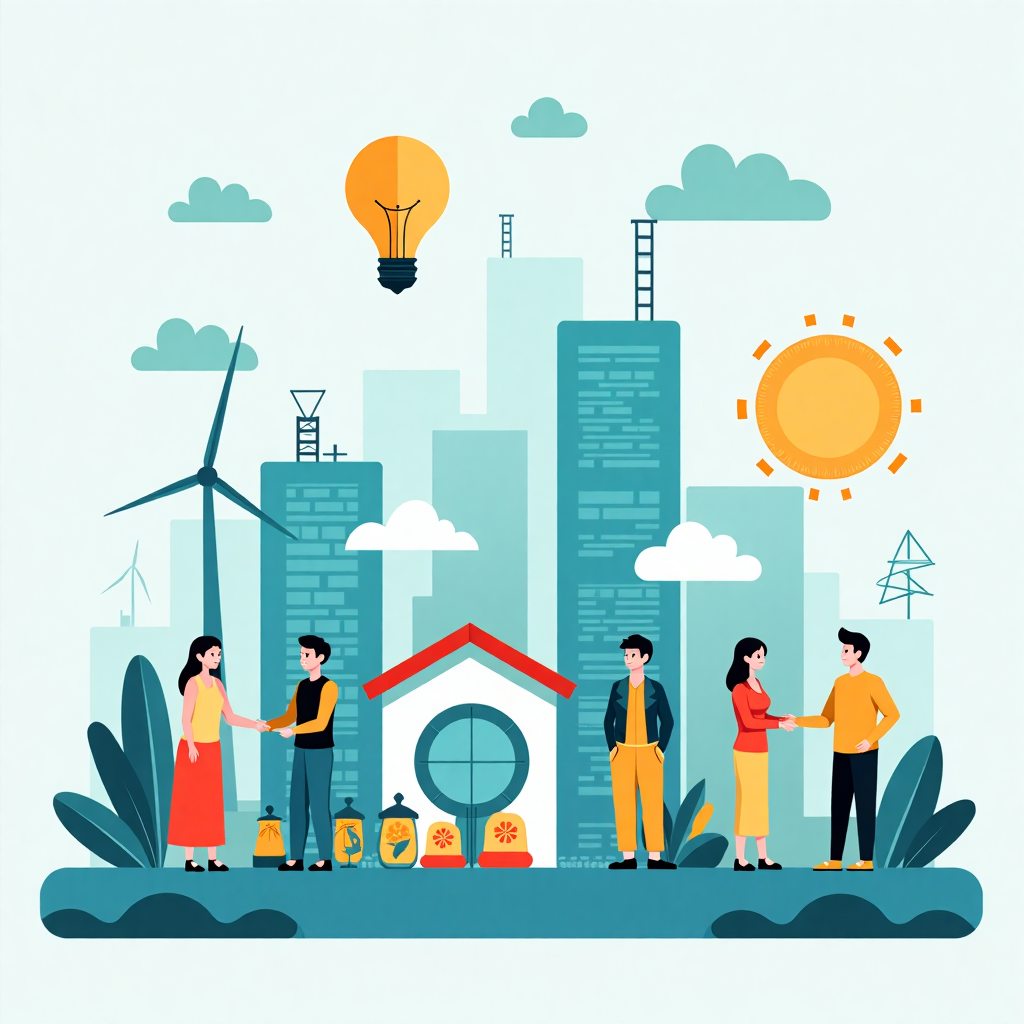
For more than a decade, I have written about the intersection of daily life and planetary health. One theme appears again and again: the path to a stable climate is not a single silver bullet but a combination of deliberate choices. Among the most powerful tools we have are reducing carbon emissions, scaling up renewable energy, improving energy efficiency, and embracing sustainable consumption. These concepts are often discussed separately, but they are deeply interconnected. When combined, they form a practical framework that households, businesses, and governments can use to lower environmental impact while often saving money and improving quality of life. This article explores each pillar in detail, explains why they matter, and offers realistic steps to put them into action.
The urgency is clear. Carbon dioxide and other greenhouse gases trap heat in the atmosphere, driving rising global temperatures, extreme weather, ocean acidification, and ecosystem disruption. Every ton of CO₂ avoided is a small but meaningful victory. Yet the scale of the challenge can feel overwhelming. That is why a structured approach matters. Instead of chasing perfection, we can focus on three high-impact areas: how we generate energy, how we use it, and what we choose to consume. By understanding the links between these areas, you can make decisions that reduce emissions far beyond your own immediate footprint.
This guide is designed for readers who want substance over slogans. It provides clear explanations, actionable strategies, and a realistic view of both progress and obstacles. Whether you are a homeowner, a business leader, a student, or simply a curious citizen, the choices outlined here can help you contribute to a cleaner, more resilient future.
Understanding the Carbon Emissions Problem
Carbon emissions refer primarily to carbon dioxide released when fossil fuels such as coal, oil, and natural gas are burned. They also include other greenhouse gases like methane and nitrous oxide, which are often measured in carbon dioxide equivalents. The energy sector is the largest source of these emissions globally, followed by industry, transportation, agriculture, and buildings. In practical terms, every time we drive a gasoline car, heat a home with natural gas, or purchase goods manufactured in coal-powered factories, we are indirectly responsible for carbon emissions.
The challenge is not just the volume of emissions but the speed at which they accumulate. The atmosphere already contains more CO₂ than at any point in human history. This accumulation has pushed the planet’s average temperature roughly 1.2 degrees Celsius above pre-industrial levels. Scientists warn that crossing the 1.5-degree threshold significantly increases the risk of irreversible damage, including coral reef collapse, more intense heatwaves, and sea-level rise that displaces millions. Avoiding the worst outcomes requires cutting global emissions nearly in half by 2030 and reaching net zero by mid-century.
This is not a distant problem. Carbon emissions are embedded in nearly every part of modern life. The electricity that powers our homes may come from a natural gas plant. The food on our plates may have been grown with synthetic fertilizers, transported across continents, and refrigerated for weeks. The clothes we wear and the electronics we use carry a carbon price from raw material extraction to manufacturing to disposal. Recognizing this full lifecycle is essential because it reveals opportunities for change at every stage.
Where Our Emissions Come From
- Electricity and heat production: Burning coal, oil, and gas for power and warmth remains the single largest source of energy-related CO₂.
- Transportation: Cars, trucks, ships, and airplanes account for nearly a quarter of global energy-related emissions.
- Industry: Cement, steel, chemicals, and plastics require enormous heat and chemical processes that release carbon.
- Buildings: Heating, cooling, lighting, and appliances consume about 30 percent of global energy, much of it from fossil fuels.
- Agriculture and land use: Deforestation, livestock, rice cultivation, and soil management contribute significant methane and CO₂.
Understanding these categories is not about assigning blame. It is about identifying leverage points. Every sector has viable alternatives, and every consumer decision sends a signal that can accelerate or slow the transition.
The Rise of Renewable Energy
Renewable energy comes from sources that naturally replenish on a human timescale: sunlight, wind, water, geothermal heat, and biomass. Unlike fossil fuels, these sources produce little or no direct carbon emissions when generating electricity. Over the past two decades, the cost of solar and wind power has plummeted, making renewables the cheapest new electricity source in most of the world. This economic shift is perhaps the most hopeful climate story of our time.
Solar photovoltaic panels convert sunlight directly into electricity. Wind turbines harness the kinetic energy of moving air. Hydropower uses flowing water to spin generators. Geothermal taps heat from beneath the Earth’s surface. Each technology has strengths and limitations, but together they offer a diversified, resilient energy portfolio. The main challenge is intermittency: the sun does not always shine, and the wind does not always blow. That is why energy storage, grid modernization, and demand management are critical companions to renewable deployment.
Countries and companies are responding to the opportunity. In many regions, renewable energy already supplies a significant share of electricity. Denmark and South Australia, for example, frequently generate more than enough wind and solar power to meet demand. Major corporations are signing long-term power purchase agreements to lock in clean electricity. Homeowners are installing rooftop solar paired with batteries to reduce dependence on the grid. These trends are not just environmental statements; they are increasingly financial decisions.
Key Renewable Technologies
- Solar photovoltaic (PV): Versatile, scalable from small rooftops to massive solar farms, and rapidly declining in cost.
- Onshore and offshore wind: Highly efficient in windy regions, offshore wind offers stronger and more consistent speeds.
- Hydropower: A mature, reliable source, though its expansion must consider ecological impacts on rivers and fish.
- Geothermal: Provides steady, round-the-clock power and direct heating in geologically active areas.
- Green hydrogen and bioenergy: Emerging options for hard-to-electrify sectors like heavy industry and aviation, provided they are produced sustainably.
Renewable energy alone will not solve everything. The transition requires new transmission lines, smarter grids, and policies that phase out fossil fuel subsidies. But the trajectory is clear: clean power is no longer a niche alternative. It is becoming the default choice for new capacity. For individuals, choosing a green energy provider or installing solar panels is one of the most effective ways to cut personal carbon emissions.
Energy Efficiency: The Cheapest and Cleanest Kilowatt-Hour
Energy efficiency means using less energy to perform the same task. It is often called the “first fuel” because the cleanest and cheapest unit of energy is the one you never use. Efficiency improvements can be as simple as switching to LED bulbs or as complex as retrofitting an entire industrial facility with heat recovery systems. In every case, the goal is to eliminate waste without sacrificing comfort or productivity.
The potential is enormous. According to the International Energy Agency, energy efficiency improvements could deliver more than 40 percent of the emissions reductions needed by 2040. Buildings are a prime target. Insulation, efficient windows, heat pumps, and smart thermostats can cut heating and cooling demand by half or more. In transportation, fuel economy standards and electric vehicles dramatically reduce energy per mile. In industry, better motors, variable speed drives, and process optimization save both energy and money.
Efficiency is not flashy, but it is profoundly effective. It reduces the total amount of renewable energy we need to build, lowers peak demand on the grid, and saves consumers billions of dollars annually. It also improves resilience: an efficient home stays warmer longer during a winter outage, and an efficient vehicle travels farther on a charge or tank of fuel. For businesses, efficiency investments often pay back in months or a few years, making them low-risk climate actions.
Practical Efficiency Upgrades for Homes and Businesses
- Lighting: Replace incandescent and fluorescent bulbs with LEDs, which use up to 80 percent less energy and last much longer.
- Heating and cooling: Install a high-efficiency heat pump, seal air leaks, and add insulation to attics, walls, and floors.
- Appliances: Choose ENERGY STAR or equivalent certified products when replacing refrigerators, washers, dishwashers, and water heaters.
- Smart controls: Programmable thermostats, occupancy sensors, and smart power strips reduce waste when spaces are unoccupied.
- Building envelope: Upgrade windows, doors, and ductwork to prevent conditioned air from escaping.
- Industrial processes: Optimize compressed air systems, recover waste heat, and maintain motors and pumps for peak performance.
One common misconception is that efficiency means sacrifice. In reality, well-designed efficiency improves comfort, health, and productivity. A properly insulated home is warmer in winter and cooler in summer with no drafts. Efficient lighting reduces eye strain and maintenance costs. Efficient equipment runs quieter and lasts longer. The phrase “doing more with less” is not about deprivation; it is about intelligent design.
Sustainable Consumption: Rethinking What We Buy and Use
Sustainable consumption is the practice of choosing goods and services that meet our needs while minimizing environmental impact across their entire lifecycle. It includes reducing how much we buy, choosing products that last longer, supporting companies with responsible practices, and disposing of items through reuse, repair, or recycling rather than landfill. Consumption is often the forgotten lever in climate discussions, yet it drives the demand that ultimately causes emissions upstream.
Every product we purchase represents an accumulation of energy and materials. A smartphone, for example, contains dozens of mined minerals, is manufactured in energy-intensive facilities, shipped thousands of miles, and used for only a few years before being replaced. The carbon footprint of that device may be larger than all the electricity it ever consumes during use. When we extend the life of a phone by two or three years, we avoid the emissions associated with manufacturing an entire new device. When we buy secondhand clothing, we reduce the demand for new textiles, which are among the most polluting industries in the world.
Sustainable consumption does not mean never buying anything. It means being intentional. It asks us to consider three questions before a purchase: Do I really need this? Can I borrow, rent, or buy it used? If I must buy new, is there a low-impact or durable option? These questions are simple but powerful. They shift the focus from quantity to quality, from ownership to access, and from disposal to stewardship.
The Four Pillars of Sustainable Consumption
- Reduce: Buy less overall, avoid single-use items, and prioritize digital over physical where appropriate.
- Reuse: Use refillable containers, repair broken items, donate or sell unwanted goods, and embrace secondhand markets.
- Recycle responsibly: Understand local recycling rules, avoid contamination, and recognize that recycling is a last resort after reducing and reusing.
- Choose sustainable materials: Favor products made from recycled, organic, biodegradable, or certified sustainable sources with minimal packaging.
Food is another critical area. The global food system accounts for roughly a quarter of all greenhouse gas emissions. Eating more plant-based meals, reducing food waste, buying seasonal and local produce, and composting organic scraps can significantly shrink your dietary carbon footprint. You do not need to become vegetarian or vegan to make a difference; even replacing a few meat-centered meals each week with legumes or grains helps. The goal is progress, not perfection.
The Connections: Why These Four Strategies Work Best Together
The real power of these four approaches emerges when they are combined. Imagine a typical household. They install rooftop solar panels and switch to a renewable energy plan, so their electricity comes from clean sources. They upgrade insulation, install a heat pump, and replace old appliances with efficient models, so they need much less electricity to begin with. They drive an electric vehicle charged from their solar array, eliminating gasoline. And they consciously reduce purchases, buy durable goods, and repair rather than replace, lowering the embodied carbon of their lifestyle. The result is a dramatic reduction in carbon emissions, often with lower monthly bills and greater comfort.
At a national scale, the same logic applies. A grid powered by renewables still needs to meet demand. If that demand is reduced through efficiency, fewer wind turbines and solar farms are needed. If consumers also buy less stuff, industrial energy demand falls, making the transition easier and cheaper. Each pillar reinforces the others. Efficiency reduces the amount of clean energy required. Renewable energy decarbonizes the electricity that powers efficient devices and sustainable products. Sustainable consumption reduces the total volume of goods and services that carry carbon in their supply chains.
There is also an economic argument. The clean energy transition creates jobs in manufacturing, installation, maintenance, and innovation. Efficiency retrofits employ local contractors and reduce energy import bills. Sustainable consumption supports circular economy businesses that repair, resell, and remanufacture goods. Every dollar not spent on wasted energy or disposable products is a dollar available for investment in solutions that improve long-term prosperity.
Real-World Examples of Integrated Action
- A small business: An office installs LED lighting, adds smart thermostats, purchases renewable electricity, and establishes a zero-waste procurement policy. Energy costs drop 30 percent, while employee comfort and brand reputation improve.
- A city: A municipal government retrofits public buildings, electrifies its bus fleet, builds protected bike lanes, and offers incentives for rooftop solar. Residents breathe cleaner air and spend less on transportation.
- A household: A family replaces its gas furnace with a heat pump, buys an induction stove, insulates the attic, and joins a community solar program. Their home’s direct fossil fuel use drops to nearly zero.
These examples are not hypothetical. They are happening in communities around the world. The pace is not yet fast enough to meet global climate targets, but every additional project, policy, and purchase accelerates momentum. The question is not whether change is possible, but whether we will choose to embrace it quickly enough.
Overcoming Barriers and Avoiding Pitfalls
Despite the clear benefits, barriers remain. Upfront costs for solar panels, heat pumps, and efficient appliances can deter households with limited budgets, even when long-term savings are substantial. Policy uncertainty and fossil fuel subsidies distort markets and slow investment. Misinformation and greenwashing confuse consumers. Behavioral inertia and convenience often favor the status quo. Acknowledging these obstacles is important because it leads to practical solutions rather than naive optimism.
Financing and incentives are key. Many governments offer tax credits, rebates, and low-interest loans for efficiency upgrades and renewable installations. Utilities provide free energy audits and demand-response programs. Community solar allows renters and those without suitable roofs to subscribe to shared clean energy projects. Employers and cities can aggregate purchasing power to lower costs. These mechanisms do not eliminate all barriers, but they make action possible for a much broader range of people.
Greenwashing is another challenge. Many products claim to be “green” or “eco-friendly” without meaningful evidence. Look for third-party certifications such as ENERGY STAR, LEED, Fair Trade, B Corp, FSC, and USDA Organic. These labels provide some assurance that claims are backed by standards. Also be wary of offset-only strategies. Carbon offsets can play a role, but they are not a substitute for direct emissions reductions. The priority should always be to avoid and reduce emissions first.
A Practical 30-Day Starter Plan
For readers ready to act, here is a simple plan to begin integrating these four strategies into daily life. You do not need to do everything at once. Start with the steps that match your budget, living situation, and energy level. The goal is to build momentum through small wins.
Week 1: Measure and Understand
- Review your utility bills to understand your electricity, natural gas, and transportation energy use.
- Use an online carbon footprint calculator to estimate your total emissions.
- Identify the three largest sources of your footprint; these are your biggest opportunities.
Week 2: Quick Efficiency Wins
- Replace the five most-used incandescent bulbs with LEDs.
- Install a programmable thermostat and set it to reduce heating or cooling when you sleep or leave home.
- Seal obvious drafts around doors and windows with weatherstripping or caulk.
- Unplug electronics that draw standby power or use smart power strips.
Week 3: Clean Energy and Transportation
- Check whether your utility offers a renewable energy option and switch if available.
- Research community solar subscriptions in your area if rooftop panels are not an option.
- Replace one car trip per week with walking, biking, public transit, or carpooling.
- If you own a home, request quotes for rooftop solar or a heat pump to understand costs and incentives.
Week 4: Sustainable Consumption Habits
- Conduct a “buy nothing” week: avoid non-essential purchases and notice what triggers impulse buying.
- Audit your refrigerator and pantry to identify food waste; plan meals around items that need to be used.
- Repair one broken item instead of replacing it, or find a local repair café.
- Research one or two brands you regularly buy from and check their sustainability certifications.
After 30 days, you will have reduced your carbon footprint, saved money, and developed habits that last. More importantly, you will have a clearer sense of which larger investments make sense for your situation.
Policy and Collective Action Matter
Individual action is necessary, but it is not sufficient. Systemic change requires policy, infrastructure, and corporate accountability. That means voting for leaders who prioritize climate action, supporting policies that put a price on carbon, and advocating for building codes and appliance standards that mandate efficiency. It also means holding companies accountable for their supply chains and demanding transparency about emissions.
Businesses have a crucial role. They can set science-based emissions reduction targets, purchase renewable energy, design products for durability and recyclability, and report their progress publicly. Many companies are discovering that sustainability is a competitive advantage. It reduces exposure to volatile fossil fuel prices, attracts talent, builds customer loyalty, and anticipates regulation. The companies that move first will be best positioned in a low-carbon economy.
Communities can act together. Neighborhood energy cooperatives, community solar projects, tool libraries, repair cafés, and local food networks all reduce emissions while strengthening social ties. Climate action is not just about isolated individuals making perfect choices; it is about building systems that make sustainable choices easy, affordable, and default.
Conclusion
The road to a low-carbon future runs through four interconnected paths: cutting carbon emissions, scaling renewable energy, improving energy efficiency, and practicing sustainable consumption. Each path offers its own benefits, but together they multiply impact. Renewable energy cleans the electricity that powers our lives. Efficiency reduces how much of that power we need. Sustainable consumption lowers the demand that drives emissions upstream. And every avoided ton of carbon helps stabilize the climate for generations to come.
This is not about guilt or sacrifice. It is about opportunity. The technologies and strategies we need already exist. They are increasingly affordable, reliable, and accessible. The challenge is to deploy them rapidly and equitably, ensuring that the benefits of clean energy and efficiency reach every community, not just the wealthy. That requires individual commitment, corporate leadership, and bold public policy.
As someone who has spent a decade writing about these topics, I have seen the conversation shift from whether climate change is real to how we can solve it. That shift is profound. The solutions are no longer abstract. They are on our rooftops, in our walls, on our plates, and in our shopping carts. The future is not something we wait for; it is something we build with every decision. Start where you are, use what you have, and do what you can. The cumulative effect of millions of small choices is nothing less than transformation.
Leave a Reply